

Business Operation · 2025
In this section22 topics
- Corporate Information4 items
- Dividend Policy2 items
- Major Shareholders1 item
- Business Strategies Overview5 items
- Material Changes & Developments1 item
- Use of Proceeds from Securities Offerings1 item
- Commitments Made in the Registration Statement1 item
- Group Operating-Structure Policy1 item
- Companies Where the Company Holds ≥10%1 item
- Shareholders with Potential Conflict of Interest1 item
- Relationships Among Major Shareholders2 items
- Shareholders' Agreement1 item
- Shareholding Diagram (Group Structure)2 items
- Income Structure3 items
- Product / Service Characteristics2 items
- Research & Development6 items
- Assets Used in the Business6 items
- Marketing Policy & Competition2 items
- Procurement of Products & Services5 items
- Projects Under Construction1 item
- Debentures & Bills of Exchange1 item
- Convertible Securities1 item
Corporate Information
Company Name
INOUE RUBBER (THAILAND) PUBLIC COMPANY LIMITED
Telephone
0-2996-0890
Website
www.ircthailand.com
info@ircthailand.com
Dividend Policy
Dividend Policy
The Company’s dividend payment policy is not paying more than 65 percent of net profit of separate net profits after deducting corporate income tax and legal reserve by considering the fiscal year performance.
Historical Dividend Payments
| This Year | Last Year | 2 Years Ago | 3 Years Ago | 4 Years Ago | Metric | Description | Remark |
|---|---|---|---|---|---|---|---|
| 0.99 | 1.62 | 0.83 | 0.57 | 1.77 | Net profit per share (Baht : Share) | Net profit per share (baht : share) | |
| 0.49 | 0.87 | 0.42 | 0.29 | 0.88 | Dividend per share (Baht : Share) | Dividend per share (baht : share) | |
| 0 | 0 | 0 | 0 | 0 | Dividend stock ratio (Number of original shares: dividend shares) | Ratio of stock dividend payment (existing share : stock dividend) | The Company declared and paid dividends in the form of cash only and did not declare any stock dividends. |
| 0 | 0 | 0 | 0 | 0 | Dividend share value per share (Baht : Share) | Value of stock dividend per share (baht : share) | The Company declared and paid dividends in the form of cash only and did not declare any stock dividends. |
| 0.49 | 0.87 | 0.42 | 0.29 | 0.88 | Total dividend payment value (Baht : Share) | Total dividend payment (baht : share) | |
| 50 | 50 | 50 | 50 | 50 | Dividend payout ratio to net profit (%) | Dividend payout ratio compared to net profit (%) |
Business Strategies Overview
Chairman's Message
In 2025, the economic environment and business operations continued to face ongoing challenges. These stemmed from global economic uncertainty, geopolitical tensions, and significant events directly impacting Thailand, such as border conflicts between Thailand and Cambodia, trade barriers and tariffs from trading partners (particularly U.S. tax policies), and domestic natural disasters. These factors collectively weighed on the Thai economy, consumer confidence, investment, and domestic purchasing power.
High levels of household debt, coupled with stricter lending criteria, led to a significant slowdown in demand for automotive products. This directly affected the automotive industry and the Company’s operations. In 2025, the Company reported total revenue of 4,693.05 million baht, a decrease from the previous year. Net profit stood at 184.26 million baht, also a decline from the prior year. This decrease was primarily due to lower dividend income from related parties and the expiration of tax incentives under investment promotion schemes (BOI), requiring the Company to recognize corporate income tax at the standard rate. Nevertheless, the Company successfully maintained financial stability through effective cost control and management under these challenging conditions.
The Company prioritizes sustainable business practices guided by ESG (Environmental, Social, and Governance) principles, with a steadfast commitment to corporate governance, transparent management, and value creation for society and the environment. We have executed our Carbon Neutrality Roadmap with the goal of achieving Net Zero greenhouse gas emissions by 2050. Key measures include the use of renewable energy, energy efficiency enhancements, and systematic product carbon footprint management. Achieving Green Industry Level 4 status reflects our success in sustainability and our readiness to comply with increasingly stringent international environmental regulations and standards.
Looking ahead to 2026 and beyond, the Company is cognizant of persisting risks and uncertainties regarding the global economy, trade, and geopolitics, as well as the transition from Internal Combustion Engine (ICE) vehicles to Zero Emission Vehicles (ZEV). With our extensive experience and R&D readiness, we are prepared to support all automotive systems and respond promptly to future shifts. We remain focused on developing high-quality, safe products that meet market demands by leveraging our expertise in elastomer technology and motorcycle tires. Through continuous R&D collaboration with experts and business partners, we aim to strengthen our long-term competitiveness. Backed by a solid financial position, extensive business experience, and the dedication of our Board of Directors, management, and employees at all levels, the Company will continue to drive the organization through innovation, quality, and sustainability, while exercising prudent risk management to ensure competitive advantages and appropriate long-term returns for shareholders.
In closing, on behalf of the Company, I would like to express my sincere gratitude to our shareholders, joint venture partners, customers, and all stakeholders for your continued trust and support. The Company remains committed to conducting business with integrity under the principles of Good Corporate Governance, while creating value for society and the environment on a foundation of sustainable development.
Vision
Vision
“To be a Leading Sustainable Elastomer Company Driven by the Innovation of Reliable Quality Elastomer Products, Newly Developed Materials and Rubber Tires in comply with Environment, Social and Governance (ESG) on the ground of 7 policies”
Sustainability in Safety and Environment
Quality in Each Product with International Quality Systems
Best Satisfaction to Customers in 4 Product-Dimensions
Price/Cost - At the Best Competitive Level for Customers
Quality - At the Best Competitive Quality Rating by Customers
Delivery - At the Best Competitive Delivery Rating by Customers
Services/ Solutions - At the Best Service to Solutions for Customers at All Time
Create the Opportunities of Human Resource Improvement to Achieve Competencies in All Levels
Continuous Research and Development for New Innovations, Products, Processes and Market and Keep Generating the Outputs of Existing Business
Generating Strong Financial Status and Attractive Return to Shareholders
Supporting the Good Corporate Governance and Corporate Social Responsibility
Mission
Enhance the Competitiveness and Net Profit by improving the efficiency of
1.1 Reliable Quality Products and Services 1.2 Usage of Production Resources (4M)
1.3 Effective Communication 1.4 Data Validity and Data Management
1.5 Marketing and Service Teams 1.6 Procurement
Dedicate to develop technological development and innovation beyond the limitation in order to enhance maximum benefit and long-term value.
To emphasize on human capital management, personnel competency development and corporate culture enhancement in accordance with corporate values in order to achieve the expected outcome.
"Strive to learn and pursue to overcome obstacle and advance in the path of growth"
Be a sustainable company in comply with Environmental Social and Governance (ESG) (Environmental Preservation, Sustainable Ecosystem Creation, BCG Support, Carbon Neutrality Achievement, Climate Change Issues Monitoring, together with Risk Management, Supply Chain Management and Good Corporate Governance.)
Objectives
The Company’s core business objectives center on elastomer products for automotive and other industries, and motorcycle tires and tubes with high quality at the international standard. We aspire to be a leading organization characterized by stable and sustainable growth, driven by innovation, advanced manufacturing technology, and quality systems that adhere to international standards. Our goal is to build maximum trust and satisfaction for our customers across all dimensions: providing high-quality products, maintaining competitive pricing, ensuring punctual delivery, and offering efficient, timely service and solutions. Furthermore, the Company is committed to responsible business operations, prioritizing safety, occupational health, and environmental preservation. This commitment is integrated with the promotion of social responsibility and good corporate governance, tangibly and consistently upholding ESG principles.
In addition, the Company focuses on continuous research and development to foster innovation in products, manufacturing processes, and marketing strategies. We aim to enhance the efficiency and productivity of our current product range to meet ever-changing market demands. We also place great importance on developing and empowering our human resources at all levels, enhancing their skills, knowledge, and capabilities to align with the organization’s strategic direction and goals. Ultimately, the Company strives to maintain financial stability and a robust financial position, delivering appropriate and sustainable returns to shareholders and all stakeholders to ensure balanced and enduring long-term growth.
Goals
The Company adheres to the operations that promotes the quality of life and safety of the customers who use the Company’s products and simultaneously maintain the environment, worthily use the resources, concerns good ethics in business operations, take care of all groups of stakeholders, in order to create value and good quality of life, as well as supply chain. For the goal of the Company’s sustainable growth, the Company gives precedence to quality upgrade towards an international standard level, along with building growth and sustainability with promotion and development of innovation and technology, and operations under concern on the social and environmental impact, and good governance in order to bring the organization towards achievement of its vision in “aiming to be an Innovative Driven and Sustainable Leading Company for Highly Reliable and Quality Elastomer Products and Rubber Tires in compliance with Environmental, Social and Governance (ESG)”. The goal of business operations covers the business, society, and environment as follows.
Competitive business with good turnover
Ethically operate the business, respect the rights, and take the shareholder and stakeholder responsibilities.
Mitigate the environmental impact.
The goal of minimizing net carbon dioxide or greenhouse gas emission is defined in order to mitigate climate change impact by implementing the continuous improvement project for efficiency of energy and resource consumption, as well as investing in the Solar Panel Installation Project in consumption of renewable and alternative energies for electricity consumption that can mitigate the greenhouse gas emission.
Being beneficial for the society.
The Company operates its business along with continuously and equally taking care of all groups of stakeholders in order to create sustainability together with growth of its business. It performs CSR After-Process activities, and creates shared values among business, society, and environment through the process of CSR/CSV in-Process, for instance, Career and Life Provision Project, Khlong Pang Rubber Plantation Cooperative Project in Trang Province, etc.
Business Strategies
The IRC’s route toward the sustainability starts from the stable foundation on three basis of all IRC members, or called “IRC DNA”, consisting of 1. Our company is our Home 2. Corporate culture 3. Competency Development and Career Path along the road to firm sustainability.
There must be the risk management and supply chain management supervised by the Risk Management Committee. On the other hand, supervision of Environmental Conservation and Good Corporate Governance supervised by the Good Corporate Governance and Social Responsibility Committee, and the Audit Committee.
Meanwhile, the journey toward sustainable goal is carried out via all of four significant schemes as follows.
Innovation consisting of Research and Development, and Innovation Technology
Customer satisfaction and relationship
International Standard Quality which is reliable for customers
Production consisting of Process improvement, Smart Factory, Effective Procurement, 3Rs, and Effective Productivity.
In each operating plan, it consists of the definite plan, goal, and indicator under the daily/monthly/quarterly monitoring and evaluation by the Executive Committee and the Board of Directors of the Company. The results from all of these four plans will lead to the competitiveness in price, quality, and trust of the products, and growth of revenue derived from three main channels, namely 1. Existing product, 2. New product, and 3. New market, in order to attain IRC’s sustainable goal.
Material Changes & Developments
Material Changes & Developments
| Year | Description |
|---|---|
| 2,024 |
|
| 2,023 |
|
| 2,021 |
|
| 2,020 |
|
| 2,019 |
|
| 2,025 |
|
Use of Proceeds from Securities Offerings
Is There Money Raised from a Securities Offering Still to Report On?
No
Commitments Made in the Registration Statement
Are There Commitments or Conditions from an Offering or Listing?
No
Group Operating-Structure Policy
Description
The Company has a policy of segmenting the operations of its group companies and has invested in two subsidiaries, as well as one joint venture. The business operations are categorized as follows:
Subsidiaries
IRC (Asia) Research Ltd. – it was founded on 18 July 1995 in order to support the operations of research and development design business for industrial elastomer parts product, and motorcycle tires-tubes product for Inoue Rubber (Thailand) PCL. both in tires and tubes motorcycle production and Industrial Elastomer Parts Production, to be mostly consistent with the consumer demand. The investment promotion has been approved by the Office of the Board of Investment on 26 December 1996. The Company’s shareholding proportion is 99.99%
Kin No Hoshi Engineering Co., Ltd. – it was found on 9 November 2001 in order support the Company business operations in manufacturing metal molds for industrial elastomer parts. The Investment promotion has been approved by the Office of the Board of Investment on 30 November 2001. The Company’s shareholding proportion is 99.99%
Joint Venture
Inoue Rubber Vietnam co., Ltd. – The Company’s shareholding proportion 8%
Throughout 56 years of our business history, “IRC” has managed to achieve sustainable growth with the commitment to create innovation together with production capacity enhancement in order to control product quality at reliable and trustful level as well as maximize customers’ satisfaction both locally and internationally.
Companies Where the Company Holds ≥10%
Companies (≥10% Holding)
| Company Name | Address | Province | Zip Code | Telephone | Business Type | Security Type | Shares | Paid-up Shares |
|---|---|---|---|---|---|---|---|---|
| IRC (ASIA) RESEARCH COMPANY LIMITED | 258 SoiRangsit-Nakornnayok 49, Rangsit-Nakornnayok Road, Prachathipat,Thanyaburi | Pathum Thani | 12130 | 029960890 | Primarily provides research and development services for the Company’s raw materials and products. | Common shares | 3,000,000 | 3,000,000 |
| KIN NO HOSHI ENGINEERING CO.,LTD. | 157 Moo 5, Phaholyothin Road, Lamsai, Wangnoi | Ayutthya | 13170 | 035272206 | Manufactures metal molds for motorcycle and automotive elastomer parts. Currently, it mainly manufactures various types of mold for the Company. | Common shares | 100,000 | 100,000 |
Income Structure
Product / Service Income
| Category | Description | This Year | This Year % | Last Year | Last Year % | 2 Years Ago | 2 Years Ago % |
|---|---|---|---|---|---|---|---|
| Total revenue from operations | Total revenue from operations | 4,620,817.94 | 100 | 4,580,610.88 | 100 | 5,417,205.83 | 100 |
| Industrial Elastomer Parts | 2,193,154.66 | 47.46 | 2,331,315.8 | 50.9 | 3,067,640 | 56.63 | |
| Motorcycle Tires and Tubes | 2,424,783.21 | 52.48 | 2,248,455.41 | 49.09 | 2,349,527.29 | 43.37 | |
| Other | Others | 2,880.07 | 0.06 | 839.67 | 0.02 | 38.54 | 0 |
Export Income
| Category | Description | This Year | This Year % | Last Year | Last Year % | 2 Years Ago | 2 Years Ago % |
|---|---|---|---|---|---|---|---|
| Total revenue | Total revenue | 4,620,817.94 | 100 | 4,580,610.88 | 100 | 5,417,205.83 | 100 |
| Domestic | Domestic | 3,551,497.6 | 76.86 | 3,637,599.17 | 79.41 | 4,359,101.4 | 80.47 |
| International | International | 1,069,320.34 | 23.14 | 943,011.71 | 20.59 | 1,058,104.43 | 19.53 |
Other Income
| Operating Other Income | Non-Operating Other Income | Share of Profit |
|---|---|---|
| 1710 · As of year: 72231.6 · Description: Total other income · As of yesteryear: 214885.05 · As of year before yesteryear: 59752.79 · 1711 · As of year: 72231.6 · Description: Other income from operations · As of yesteryear: 69104.89 · As of year before yesteryear: 59752.79 | 1712 · As of year: 0.0 · Description: Other income not from operations · As of yesteryear: 145780.16 · As of year before yesteryear: 0.0 | 1713 · As of year: 184255.81 · Description: Share of profit · As of yesteryear: 311503.24 · As of year before yesteryear: 159766.28 |
Product / Service Characteristics
Business Type
3114
Business Groups
| Business Group | Description |
|---|---|
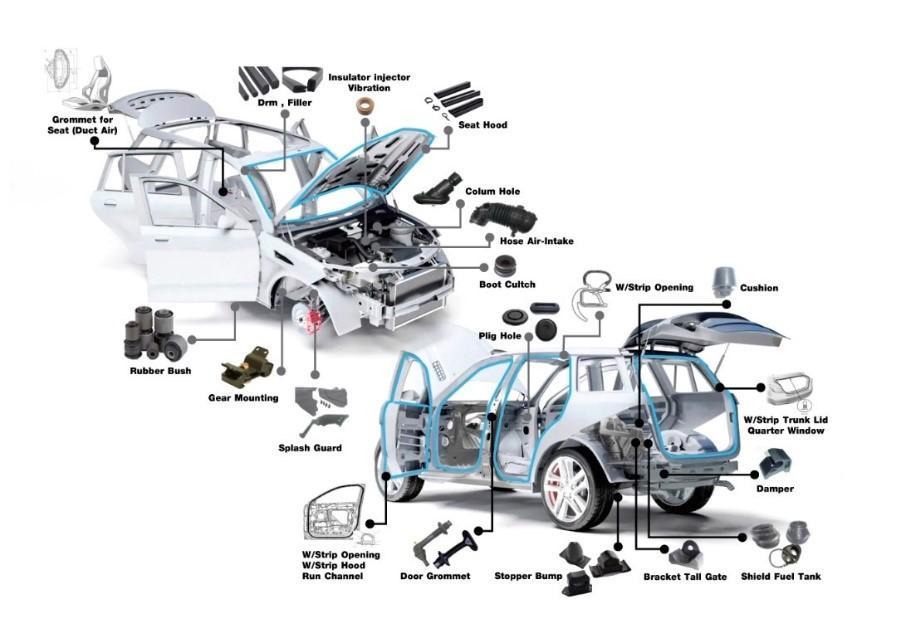
| Industrial Elastomer Parts | The Company is an expert in the research, design, and development of industrial elastomer products. With extensive experience and a proven track record of recognition from leading domestic and international customers, every product is engineered to meet the specific requirements of each industry. Our solutions are designed to deliver durability, safety, and maximum performance. The Company categorizes its industrial elastomer products into three primary groups as follows: 1. Automotive Rubber Products The Company is a key strategic partner for Original Equipment Manufacturers (OEMs) in the automotive industry. We are committed to developing and manufacturing high-quality elastomer products covering engine systems, powertrain systems, cabin interiors, and Electric Vehicles (EVs). Our mission is to support the automotive industry's transition toward a sustainable future.
1.1 Engine Compartment Parts Engineered to withstand high temperatures and operating pressures within the engine environment. Products:
1.2 Powertrain Parts Focuses on assembly precision and vibration damping to enhance ride comfort and smoothness. Products:
1.3 Anti-Vibration & Cushion Parts Designed to absorb vibration and impact, extending the service life of components. Products:
1.4 Interior & Sealing Parts Focuses on user comfort by providing effective sound insulation, leak prevention, and enhancing the overall aesthetic of the vehicle. Products:
1.5 EV Rubber Components Supporting emerging Electric Vehicle (EV) technologies through the development of specialized rubber components. Products:
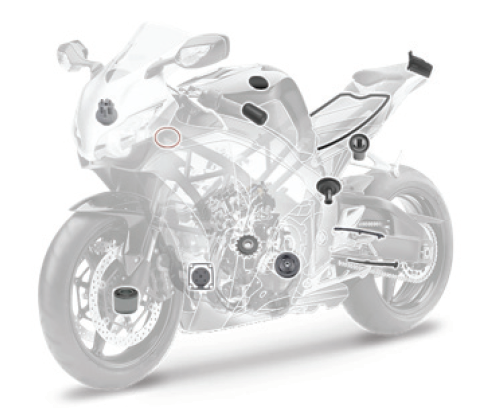
2. Motorcycle Rubber Products The Company develops and manufactures rubber components featuring high heat, vibration, and oil resistance. We provide customized rubber parts tailored to the specific requirements of various motorcycle models. Examples of our core product groups include:
2.1 Body Parts
2.2 Powertrain
2.3 Anti-Vibration & Cushion
2.4 Sealing & Interior
3. Industrial Rubber Products To meet diverse market demands, the Company has expanded its Research and Development (R&D) into various other sectors, including agricultural machinery, construction equipment, electrical appliances, infrastructure, rail systems, road safety products, and rubber flooring. Key product examples include: 3.1 Thermal System & Electrical Appliances
3.2 Argo-Based Machinery
3.3 Construction Industry
3.4 Infrastructure System
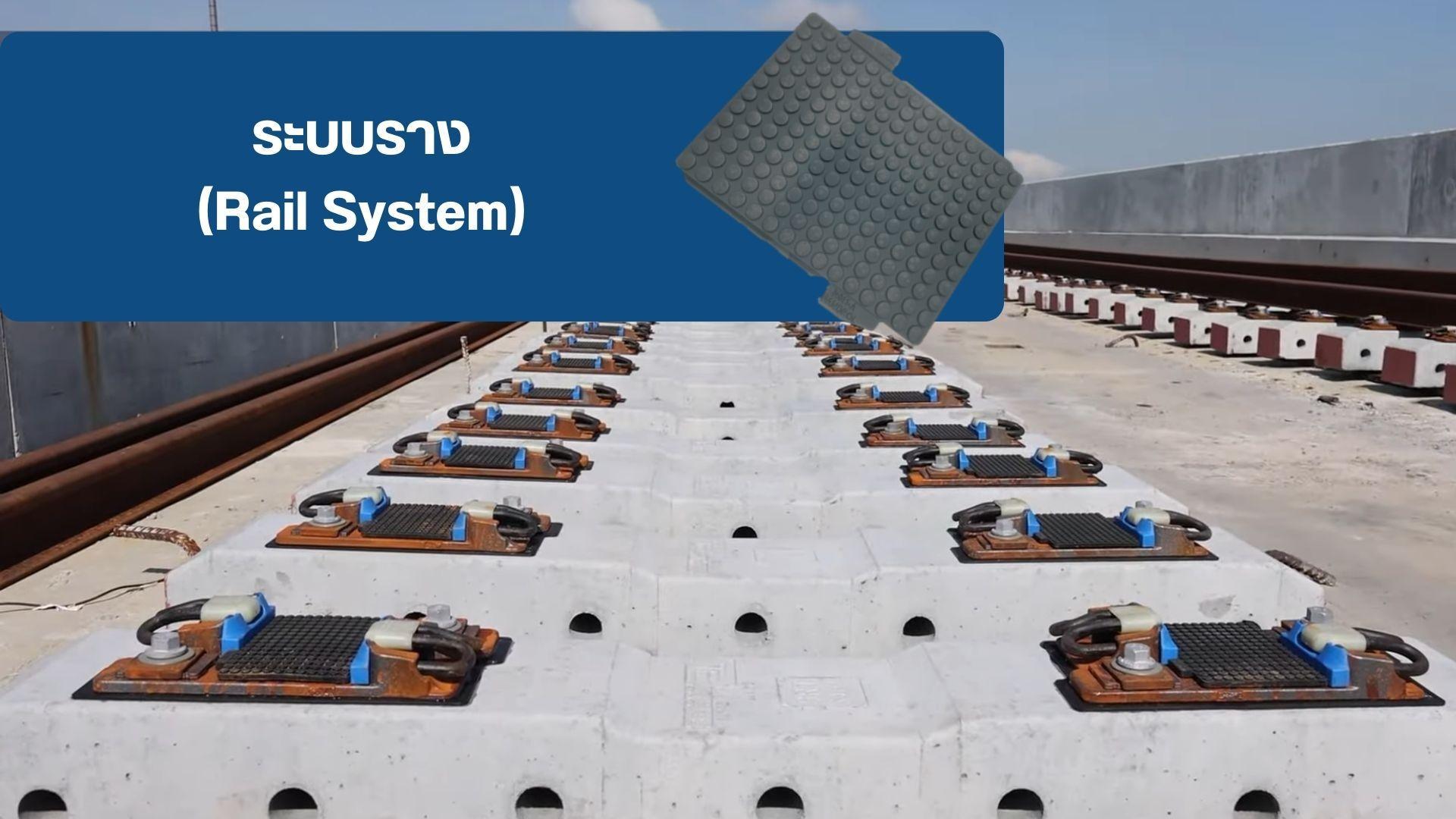
3.5 Rail System
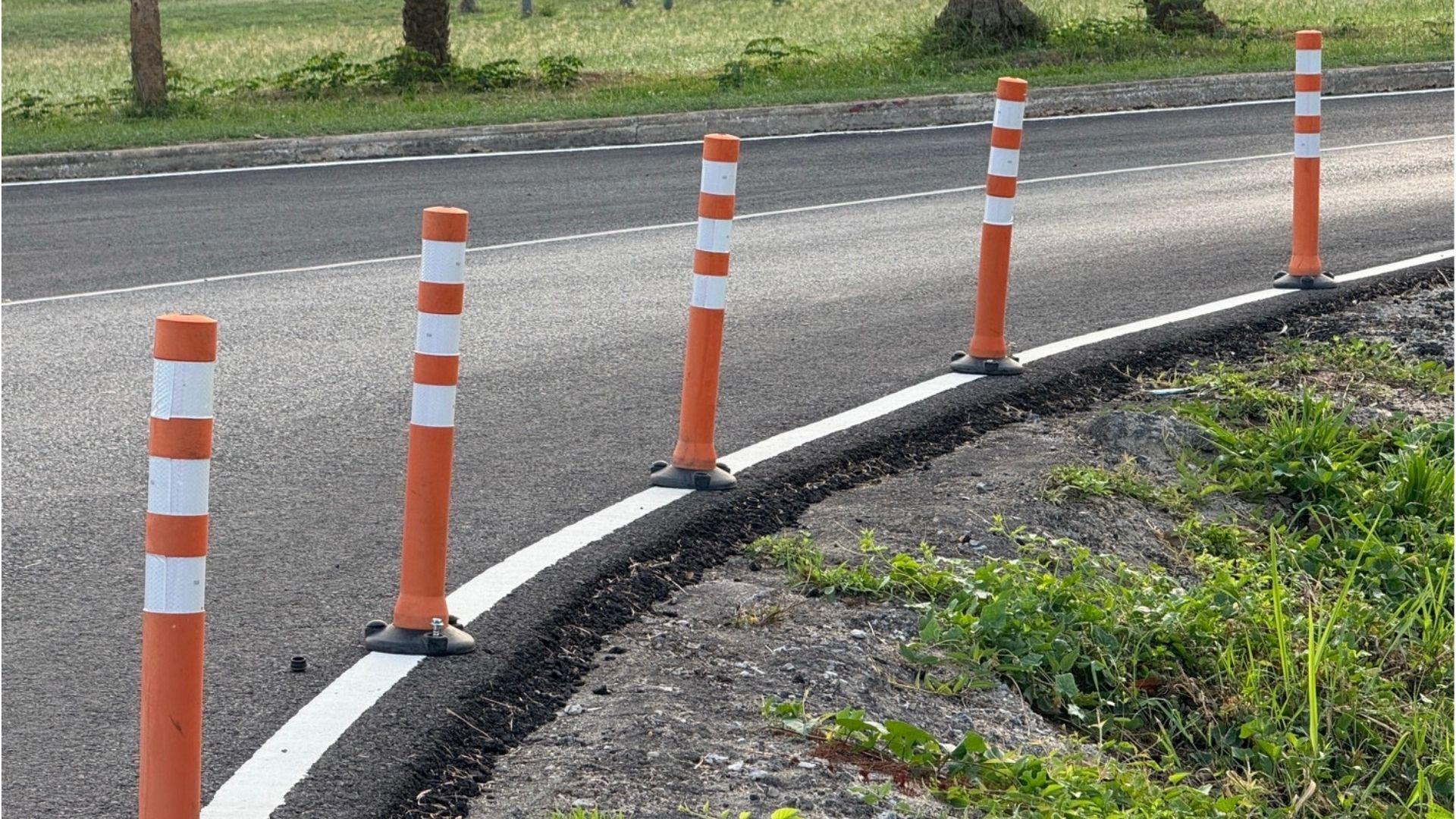
3.6 Road Safety
3.7 Vi-pafe
|
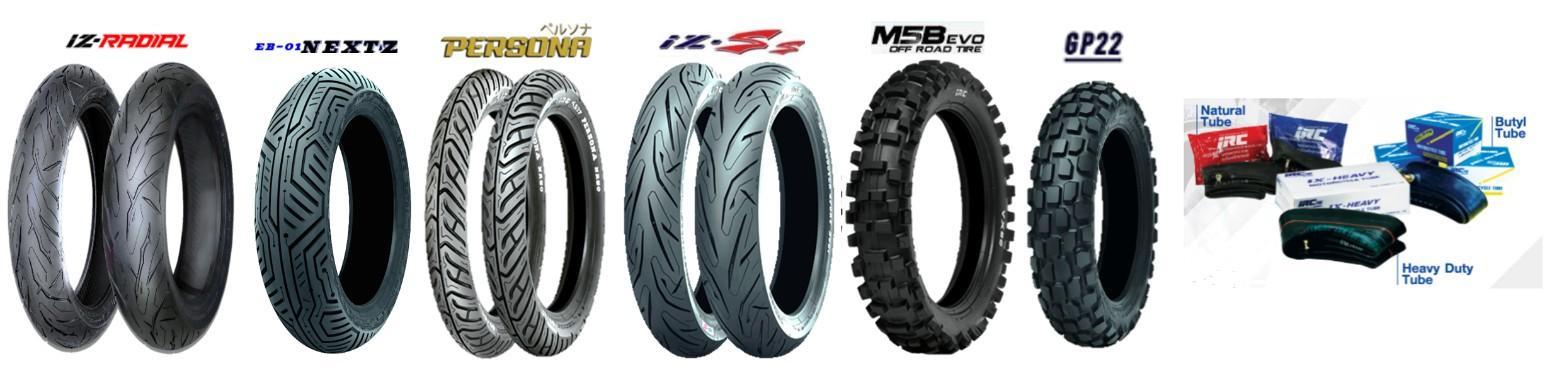
| Motorcycle Tires and Tubes | Product and Service IRC offers a diverse range of motorcycle tires and tubes, categorized by type and specific application. Our portfolio includes on-road tires, off-road (motocross) tires, scooter tires, and heavy-duty tires, available in both Tube Type and Tubeless varieties. Regarding product development, the Company maintains a dedicated R&D unit to meet the specialized requirements of motorcycle manufacturers (OEM) and the replacement equipment manufacturers (REM) market for general users, serving both domestic and international markets. Safety is our highest priority—a core principle that guides the design and development of every tire we produce.
|


Research & Development
Has R&D Policy (Y/N)
Yes
R&D Cost — Description
Research and Development Policy: Innovation in Processes, Products, and Business Models
IRC (Asia) Research Ltd. prioritizes the continuous development of technology and innovation to enhance the Group’s long-term competitive advantage. Supported by the Board of Investment (BOI), the company has implemented advanced machinery, equipment, and software. Our team of Thai and Japanese experts collaborates on R&D projects to create high-quality products powered by cutting-edge technology.
Beyond internal technological advancement, the company emphasizes Co-development with customers to precisely meet their specific requirements. Furthermore, we engage in joint research projects with government agencies to support national industrial policies and contribute to the sustainable growth of the Thai economy.
The company is committed to ongoing product R&D through the use of 3D Design technology, Computer-Aided Engineering (CAE) Simulation, and testing in international-standard laboratories. This ensures that every product achieves the highest levels of quality and safety.
Moreover, the company is transitioning toward the production of eco-friendly rubber components by utilizing recyclable raw materials and implementing manufacturing processes that reduce waste and carbon emissions. This reflects our dedicated Sustainability & ESG Commitment.
1. Product Innovation
Research and Development (R&D) is the cornerstone of IRC's business operations. The Company does not merely focus on manufacturing high-quality products, but places a strong emphasis on driving product innovation to meet evolving customer needs and global market trends, such as:
IZ Radial Series for Premium Scooters The IZ Radial tire series is designed for large-capacity scooters to significantly enhance driving performance and safety. This series also serves as a strategic expansion to diversify our future product portfolio.
Off-Road Performance Tires Development of Off-Road tires specifically engineered to better respond to the demands of international markets.
EV Components (Electric Vehicle Industry) Development of specialized rubber parts to support the Electric Vehicle industry, including: Anti-vibration components for electric drive motors, Rubber parts for EV charging systems, Seals and other elastomer components for both Battery Electric Vehicles (BEV) and Hybrid Electric Vehicles (HEV).
Rail Pad Innovation The Company has been trusted by world-leading firms to develop a Natural Rubber Compound for the production of Rail Pads. These pads effectively reduce impact and vibration during train passage, extending the service life of both rails and sleepers. Tested to international standards, this innovation is utilized in several major infrastructure projects, including Mass Rapid Transit (MRT), Double-Track Railways, and High-Speed Rail, aligning with government policies to develop the nation's rail logistics system.
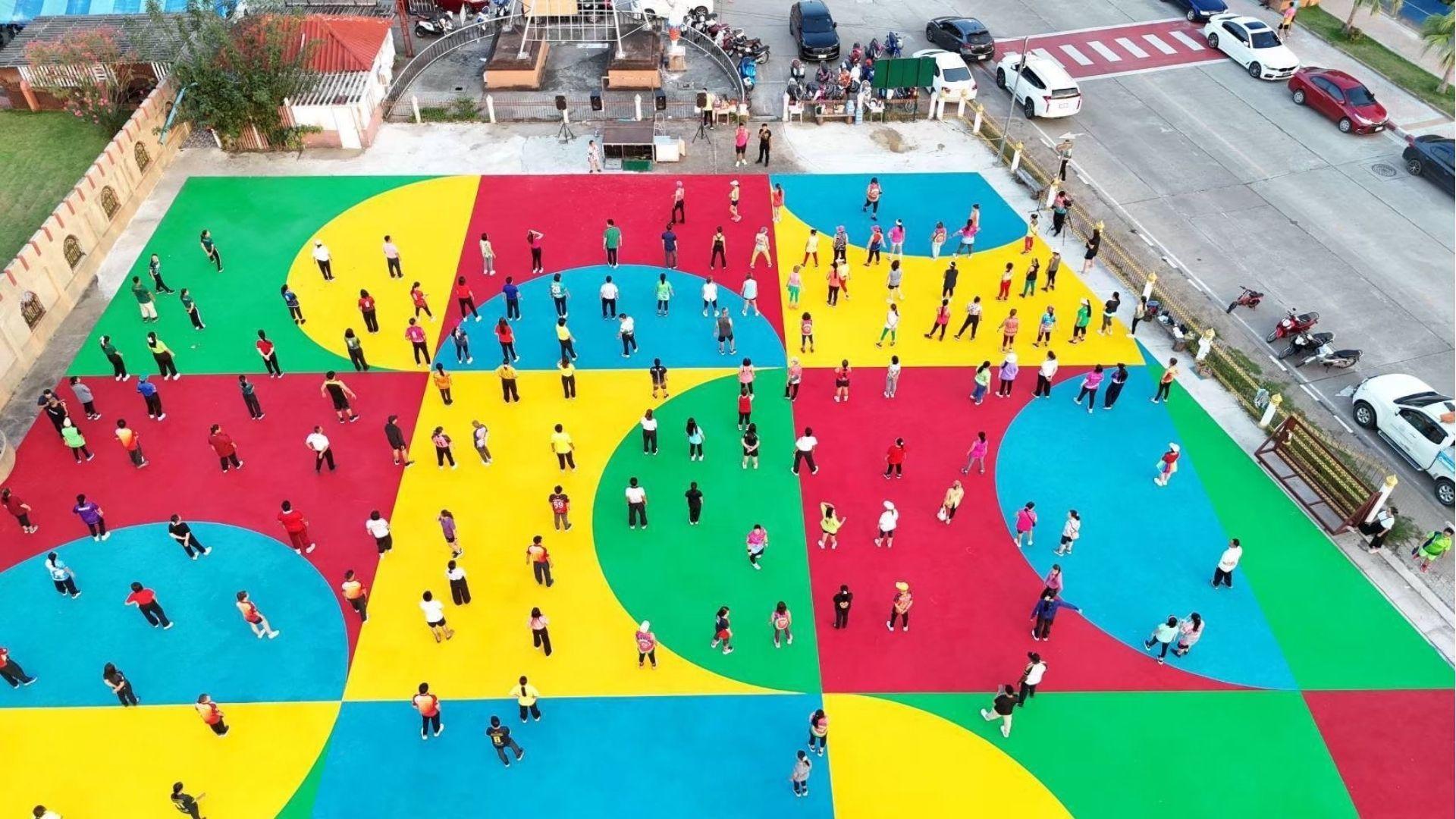
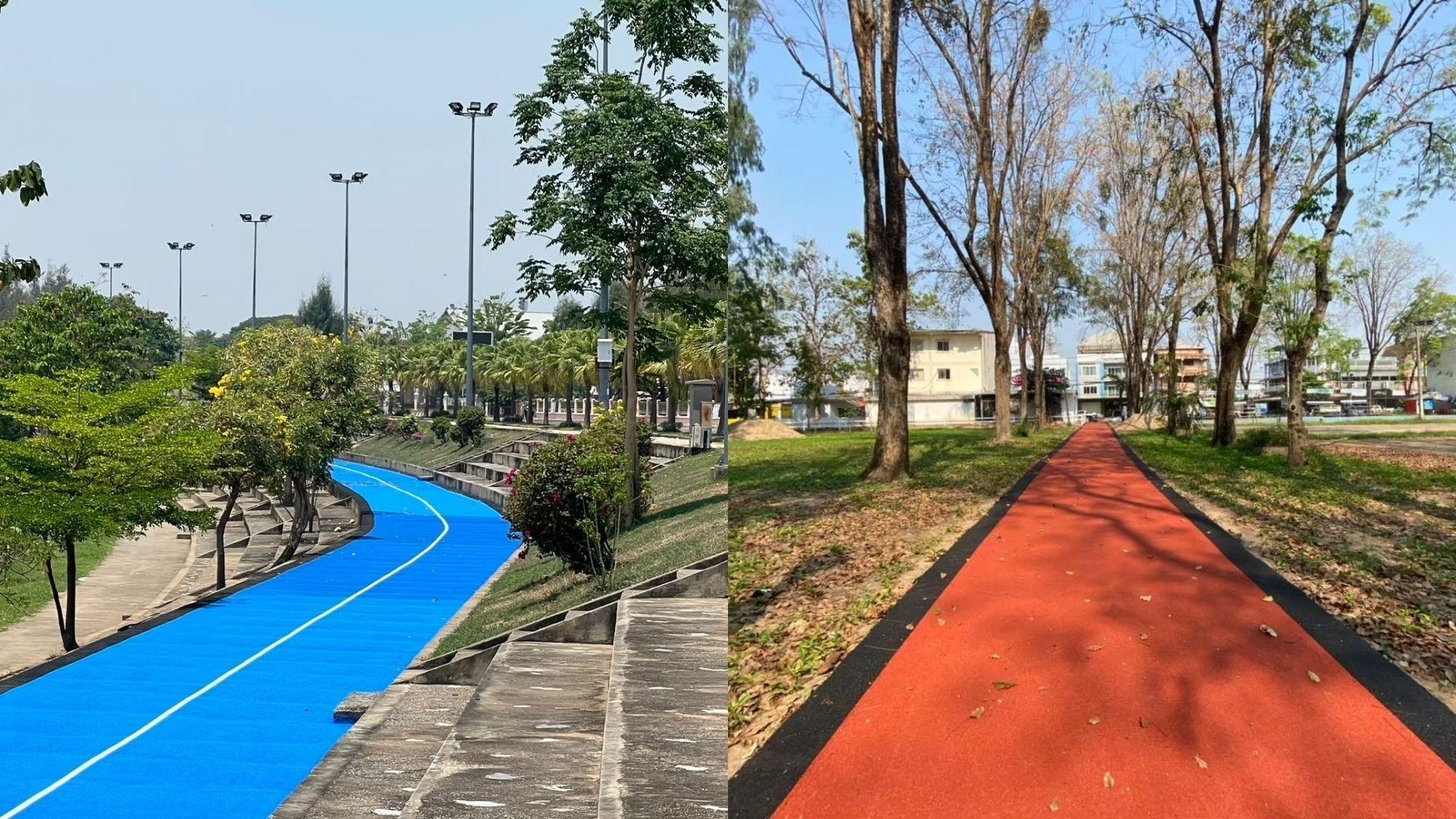
Sustainable Rubber Flooring – Vi-pafe (BCG Economy Initiative) Guided by the BCG (Bio-Circular-Green) Economy model, the Company develops rubber flooring and granules from renewable materials. By incorporating Natural Rubber, Reclaimed Rubber, Eco-Carbon Black, and Recycled Rubber Powder—comprising over 30% of the total composition—we reduce reliance on petrochemical raw materials and decrease chemical imports. This innovation not only minimizes waste and environmental impact but also adds value to Thai natural rubber, supporting local farmers and increasing domestic rubber consumption. Vi-pafe products comply with the TIS 2683–2563 (2020) standard, offering high elasticity, durability, and superior impact absorption—ideal for sports complexes, playgrounds, and public spaces.
Furthermore, the Company is actively conducting Research and Development (R&D) across other industrial sectors to diversify risk and offset the projected decline in sales of rubber components for Internal Combustion Engine (ICE) vehicles.
The primary objective of this product development is to enhance global competitiveness and support the transition to the automotive industry of the future (EV Transition).
Driven by our innovation potential, continuous R&D, and a business approach aligned with the BCG model, the Company is confident in achieving sustainable growth. We are poised to expand our market reach to new domestic and international customer segments, strengthening the Thai economy and the rubber industry in the long term.
2. Process Innovation
The Company is committed to modernizing its manufacturing processes toward sustainability by integrating Smart Factory technologies. These advancements aim to ensure rigorous quality control, minimize waste, and maximize production efficiency. Key development examples include:
Flow Simulation for Die Extrusion The application of flow analysis software to predict rubber behavior during the molding and extrusion stages. This allows for optimized flow channel design, reducing the time and cost associated with die development while significantly increasing the dimensional precision of the manufactured components.
Lightweight EPDM Component Development The development of EPDM rubber parts with reduced weight that maintain the same levels of durability, safety, and strength as conventional products. These lightweight solutions help reduce overall vehicle weight, improve energy efficiency, and address global carbon emission reduction targets.
Eco-friendly and Safe Chemical Usage The adoption of safe, environmentally friendly chemicals, specifically the development of Nitrosamine-free formulations. This initiative minimizes health risks for operators and reduces the environmental footprint of the manufacturing process.
3. Testing & Certification
Since 2020, the Company has been certified under the TIS 17025-2561 (ISO/IEC 17025:2017) standard for the competence of testing and calibration laboratories. This accreditation reflects the Company's readiness and high potential in conducting systematic Research and Development (R&D) in accordance with international standards.
4. Governance and Intellectual Property Protection
The Company prioritizes the protection of data and technological know-how by establishing strict guidelines for trade secret management, such as:
Management of Copyrights, Patents, and Research Data
Safeguarding of Customer Information and Market Intelligence
Comprehensive Training for employees at all levels regarding Business Ethics and the Corporate Code of Conduct.
These guidelines reflect the Company's commitment to achieving sustainable growth while simultaneously advancing internal knowledge and innovation.
Manufacturing Innovation
In alignment with corporate policies regarding Carbon Neutrality and achieving Net Zero greenhouse gas emissions by 2050, supported by mechanisms such as carbon taxation, carbon credit trading, energy restructuring, and reforestation, the Company recognizes the significant transformation within the automotive industry. Consequently, we have rapidly adjusted our strategies to accommodate the shift toward Electric Vehicles (EVs).
Despite the domestic economic slowdown and tightened lending criteria from financial institutions for vehicle loans—which have led to a decline in Internal Combustion Engine (ICE) sales, IRC recognizes an opportunity to elevate its manufacturing processes and enhance efficiency through modern technology. This approach aims to bolster competitiveness and ensure sustainable, long-term growth.
In 2025, the Company has established growth targets under a 'Sustainable Growth' framework, focusing on leveraging innovation and technology to drive manufacturing processes. Key initiatives include:
Development of Lean Automation and the Toyota Production System (TPS): Aimed at improving efficiency, eliminating waste, and increasing labor productivity (output per man-hour).
Promotion of the 4R Project (Reduce, Reuse, Recycle, Replace): Ensuring optimal resource utilization and cost-efficiency.
Application of the 'Once in The Box' Concept: Integrating production, inspection, packaging, and storage within a single localized area to minimize material handling and cycle time.
Furthermore, IRC fosters a culture of Continuous Improvement through various quality-driven initiatives, including:
Quality Control Circles (QCC): Conducted both domestically and internationally.
Kaizen Activities: Focused on incremental, ongoing improvements.
Total Productive Maintenance (TPM): To maximize equipment effectiveness and eliminate breakdowns.
Machine Competitiveness Enhancement (MCE): Focused on optimizing machinery performance and technical capabilities.
This includes the development of Automated Quality Inspection systems using Vision Cameras to enhance precision, reduce reliance on manual visual inspections, and bolster product quality assurance. This ensures full compliance with the stringent standards of both domestic and international customers. IRC’s manufacturing technology innovations do not only reduce costs and improve efficiency; they serve as a strategic preparation for the Electric Vehicle (EV) era, strengthening the organization’s competitive edge for stable and sustainable growth.
Innovation Performance
The Company is dedicated to fostering an internal Culture of Innovation, encouraging employees at all levels to participate in the continuous improvement and development of work processes. This collective effort aims to enhance the organization’s competitive advantage and ensure sustainable growth.
In 2025, the Company implemented various initiatives to promote creativity and innovation in both manufacturing processes and new product development. Key projects include:
Innovation Promotion Project
Project | Details | Target Employee Segments |
Quality Control Circle: QCC | Employees are encouraged to form groups for brainstorming sessions to find practical solutions for improving production line workflows through the QCC (Quality Control Circle) process. This empowers staff to take pride in achievements resulting from their own hands-on initiatives, ultimately leading to enhanced production quality, cost reduction, and increased operational efficiency. | All employees across the organization |
Kaizen Activity | Continuous improvement at the individual or team level to enhance efficiency, eliminate waste, and create a better working environment. This activity encourages employees at all levels to actively participate in developing and optimizing their own areas of responsibility. | All employees across the organization |
Product Innovation | Research and development of new products to meet the demands of both domestic and international markets, such as components for mass transit systems. This includes the application of Bio-Economy and Circular Economy concepts to raw materials in order to manufacture eco-friendly products, reduce greenhouse gas emissions, and capture emerging business opportunities in the green market. | Research and Development (R&D) |
Process Innovation by Automation System | The Company has been developing in-house automation technology and machinery for over 10 years, led by our Production Engineering team. These advancements aim to enhance production capacity, reduce costs, and elevate product quality and safety, while simultaneously reducing greenhouse gas emissions across the manufacturing process. | Production Engineering |
Outstanding Performance in 2025
The Company has continuously developed products and automated systems within its production lines, resulting in:
Significant increases in production efficiency.
A reduction in manufacturing process waste.
Consistent product quality that meets stringent customer standards.
Enhanced employee engagement and pride in organizational development.
IRC’s innovation initiatives do not only improve operational excellence; they serve as a vital mechanism for fostering a corporate culture driven by creativity. This promotes continuous learning and enables the Company to grow alongside industry transformations in a sustainable manner.
Awards & Achievements in Manufacturing Technology
The Company prioritizes continuous improvement of its manufacturing processes to elevate quality and operational efficiency. In 2025, the Company received prestigious awards at both national and international levels, reflecting the organization's technological and innovative prowess as follows:
Awards
Award | Organization | Achievements |
Good Quality & Excellent Production Preparation Award | INOAC Cooperation – Japan | As a result of enhancing production processes through automation and implementing Vision Camera technology for automated quality inspection, the Company has successfully reduced costs, increased productivity, and elevated product quality beyond customer standards. |
Silver Award – Thailand Quality Award 2025 | Technology Promotion Association (Thailand-Japan) | Based on the presentation of production process improvements that increased efficiency and reduced waste within the production line. |
2024 Environmental Performance Award | Toyota Motor Asia (Thailand) Co., Ltd. | Recognized for the successful achievement of reducing CO2 emissions by 35%, reaching the 2030 target, through manufacturing process improvements and the implementation of Lean Automation. This initiative has effectively boosted productivity while reducing energy consumption. |
Gold Award – International Conference on Quality 2025 | ICQ, Tokyo, Japan | The highest-level award for a production process improvement project that reduced reject rates, presented at one of the world's largest quality conventions. |
Supplier Carbon Neutral Collaboration Award 2025 | NHK Association | Outstanding Cooperation Award for participating in the "Carbon Neutral for Suppliers" project. IRC is one of the key suppliers selected to share its experiences in reducing CO2 emissions from manufacturing processes with the NHK network. |
Continuous Improvement of Production Process
The Company is committed to systematically developing and improving manufacturing processes to increase productivity and eliminate waste at every stage, guided by the following key strategies:
Implementation of the FS (Operation Flow System): Utilizing the FS program for real-time production monitoring along with performance measurement systems to analyze and optimize processes for maximum efficiency.
Development and Application of Automation Systems: Integrating automation into manufacturing processes to reduce human error while increasing precision and confidence in product quality.
Machinery Upgrades for Energy Efficiency: Improving equipment to save energy and reduce the carbon footprint of production processes, aligning with the goal of becoming a Low-Carbon Organization.
R&D Cost — Label
Research and development (R&D) expenses over the past 3 years (Million Baht)
R&D Cost — This Year
66.12
R&D Cost — Last Year
78.43
R&D Cost — 2 Years Ago
74.44
Assets Used in the Business
Permanent Assets — Description
The key characteristics of the Company's primary fixed assets are as follows:
Land
Office Buildings and Factories
Machinery and Equipment
Other Equipment
Investment Properties
Vehicles
Assets Under Construction (Work in Progress)
Permanent Assets — Appraisal
| Asset | Ownership | Obligation | Appraisal Value | Description |
|---|---|---|---|---|
| Land located in Thanyaburi District, Pathum Thani Province, with a total area of 34 Rai, 1 Ngan, and | Owner | None | 43.44 | Book Value/ Appraised Value in Million Baht |
| Land located in Wang Noi District, Phra Nakhon Si Ayutthaya Province, with a total area of 52 Rai an | Owner | None | 104.33 | Book Value/ Appraised Value in Million Baht |
| Office Buildings and Factories – Thanyaburi District, Pathum Thani Province | Owner | None | 88.45 | Book Value/ Appraised Value in Million Baht |
| Office Buildings and Factories – Wang Noi District, Phra Nakhon Si Ayutthaya Province | Owner | None | 103.14 | Book Value/ Appraised Value in Million Baht |
| Machinery and Equipment | Owner | None | 891.02 | Book Value/ Appraised Value in Million Baht |
| Other equipments | Owner | None | 21.9 | Book Value/ Appraised Value in Million Baht |
| Investment Properties | Owner | None | 9.02 | Book Value/ Appraised Value in Million Baht |
| Vehicles | Owner | None | 6.13 | Book Value/ Appraised Value in Million Baht |
| Assets Under Construction | Owner | None | 127.45 | Book Value/ Appraised Value in Million Baht |
Intangible Assets — Description
The key Characteristics of Major Intangible Assets: Computer Software
Intangible Assets — Appraisal
| Asset | Type | Appraisal Value | Description |
|---|---|---|---|
| Computer Software | Software | 31.4 | Book Value/ Appraised Value in Million Baht |
Has Subsidiaries Investment Policy (Y/N)
Yes
Subsidiaries Investment Policy — Description
The Company has a policy to invest in and manage its subsidiaries by investing in businesses that create benefits and support the Company’s operations to enhance stability and performance. Furthermore, in cases where the Company invests more than 50 percent in another entity, the Board of Directors shall delegate the Executive Committee to appoint representatives, who are directors or executives of the Company, to serve as directors or controlling persons in such subsidiaries. This ensures that the oversight of policies, internal control systems, and operations of the subsidiaries is efficient and transparent, and that subsidiaries disclose material information accurately and in a timely manner.
Marketing Policy & Competition
Reporting Mode
3116
Per-Business-Group Breakdown
| Marketing Policy | Industry & Competition |
|---|---|
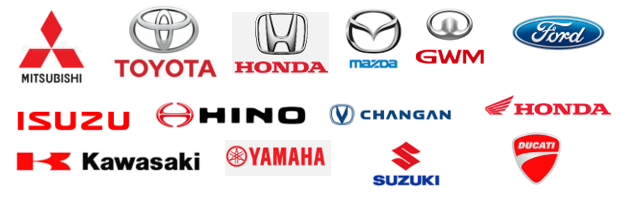
Company Sales and Competition Policy The Company is committed to being a leader in the manufacturing of industrial rubber parts, particularly for the automotive and motorcycle sectors, as well as other supporting industries such as air conditioning, agricultural machinery, construction, and infrastructure systems. The Company operates as an Original Equipment Manufacturer (OEM), focusing on developing products that meet the specific functional requirements of each individual customer. The Company is actively expanding its market to include Chinese automakers and Electric Vehicle (EV) manufacturers. This expansion centers on product and process innovation, utilizing the “Lean Automation” policy as a core operational framework. This approach ensures maximum production efficiency, eliminates waste, enhances product quality, reduces costs, and strengthens overall competitiveness, while fostering a corporate culture of creativity and continuous improvement. Simultaneously, the Company has invested in Research and Development (R&D) to increase the value of Thai products and promote the use of domestic raw materials. A notable success is the development of Vi-pafe, a high-quality rubber flooring solution for sports fields, playgrounds, walkways, and fitness areas. This product has received a positive response from both the public and private sectors due to its safety and durability features. To date, it has been installed in over 60 projects, with a total value exceeding 140 million THB. Furthermore, the Company has expanded its portfolio into railway systems and construction products, which have generated over 20 million THB in additional revenue and strengthened the Company’s overall business portfolio. Main Customer 1. Automotive and Motorcycle Manufacturers Our primary customers include leading automotive and motorcycle assembly plants such as Mitsubishi, Toyota, Isuzu, Honda, Nissan, Mazda, Ford, Hino, Great Wall Motor (GWM), and Changan. Our motorcycle clientele includes Honda, Yamaha, Suzuki, Kawasaki, and Ducati. The Company's rubber products are utilized in vehicles and motorcycles distributed globally through both riginal Equipment Manufacturer (OEM)channels and official spare parts service centers.
2. Sub-Automobile/ Sub-Motorcycle Sub-Automobile/ Sub-Motorcycle OEMs (First-Tier and Second-Tier) This group includes manufacturers such as automotive glass assemblers who integrate the Company’s rubber products with the glass components before delivering the final sub-assembly to automotive manufacturers. 3. Other Industries
| In 2025, the automotive market situation was significantly impacted by several external factors, including international trade wars and intensified price competition. This occurred as competitors from China and Japan sought to rapidly secure substitute markets, placing Thai manufacturers under immense pressure regarding both costs and marketing. Furthermore, the electric vehicle (EV) price war in China cascaded pressure down to the Thai market. At the same time, tax burdens and trade restrictions necessitated a swift strategic pivot to maintain revenue stability, specifically by expanding into the continuously growing infrastructure sector. This reflects the Company’s ability to adapt and create opportunities amidst global market challenges. |
Sales and Competition Policy Main Customer Groups The primary customer groups for motorcycle tires and tubes are categorized by domestic and export markets as follows:
| Market Conditions and Competition IRC is the leader in the motorcycle tire and tube market in Thailand. For over 56 years, the company has earned the long-standing trust of leading domestic motorcycle manufacturers to serve as the Original Equipment Manufacturer (OEM) for brands such as Honda, Yamaha, Kawasaki, GPX, and others. Through a commitment to quality, manufacturing capacity, punctual delivery, and after-sales service, IRC has consistently maintained the number one market share in the motorcycle OEM sector. The Company prioritizes research and development (R&D) and process improvements to ensure products are recognized for performance and quality that meet all customer requirements. Furthermore, the Company regularly delivers innovations to the market to satisfy the needs and lifestyles of customers across all segments. Currently, the Company produces over 600 models tailored to various applications, including general road tires, dual-purpose (on/off-road) tires, scooter tires, heavy-duty tires, snow tires, fuel-efficient tires, and—crucially for the future—tires for electric motorcycles (EV). In 2025, IRC motorcycle tires launched and introduced several new products to both domestic and international markets. These include: Off-Road Segment: The IRC GEKKOTA VE33S, GEKKOTA JX8, and the IX-09H series, which is available in up to 12 sizes, Scooter Segment (300cc): The IRC IZ-RADIAL RSC-001, a specialized radial tire designed for high-performance scooters and Classic On-Road Segment: The GS-19, a tube-type tire available in over 6 sizes for both domestic and export markets. |
Procurement of Products & Services
Reporting Mode
3117
Procurement (Overall)
In the past year, the Company has systematically managed its procurement and production processes. This begins with the sourcing of primary raw materials from suppliers that have been rigorously screened and qualified according to Company policy, focusing primarily on quality, price, delivery capability, and the reliability of the source. All types of raw materials must undergo inspection and testing by laboratories certified under relevant standards and must comply with the specific requirements defined by automotive manufacturers.
The Company utilizes key raw materials, including natural rubber, synthetic rubber, carbon black, steel parts, fabric cords, valves, wire, and other chemical additives. These materials enter the in-house manufacturing process, where quality control is strictly enforced at every stage to ensure products meet international standards and satisfy customer demands.
Raw Material Acquisition (Overall)
Raw Material Procurement, the Company establishes its procurement policy based primarily on quality, price, delivery capability, and source of origin. All materials must undergo qualification checks and testing in standardized laboratories. Purchasing is conducted in accordance with general manufacturer specifications as well as the specific requirements set by automotive customers. Furthermore, the Company maintains a policy of sourcing alternative and diverse raw materials to ensure interchangeability and to meet future customer demands. This strategy aims to maintain competitive costs and enhance market competitiveness across all dimensions.
The primary raw materials used in production include natural rubber, synthetic rubber, carbon black, steel components, fabric cords, valves, bead wire, and various chemical additives used in the manufacturing compounds.
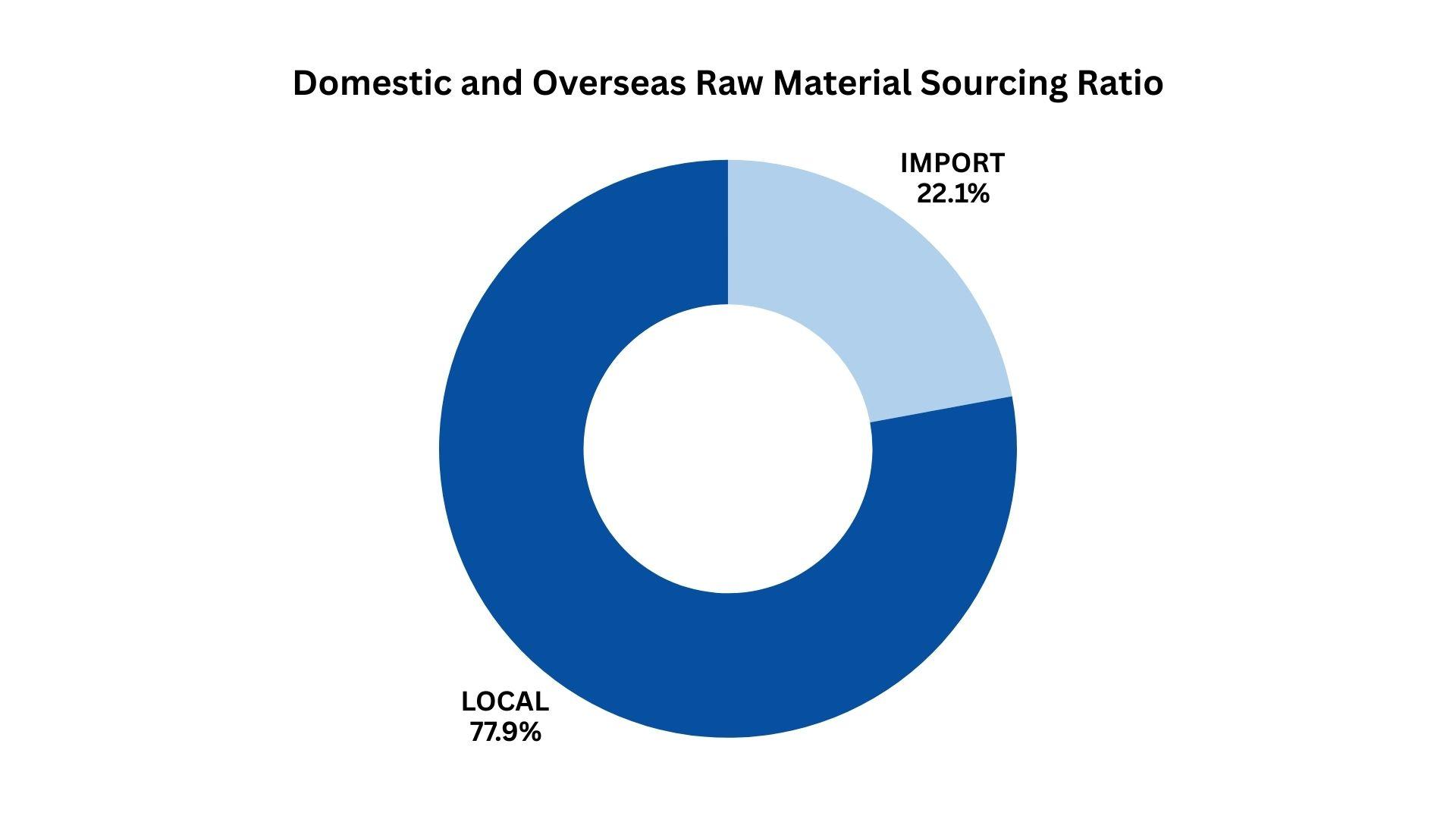
Domestic and Overseas Raw Material Sourcing Ratio
Production Capacity (Overall)
| Item | Unit | Used | Capacity |
|---|---|---|---|
| Rangsit Plant | Piece | 81.83 | 18,600,000 |
| Wangnoi Plant | Piece | 54.5 | 286,600,000 |
Domestic/Overseas Purchase Proportion (Overall)
| Raw Material | Source Country | Value |
|---|---|---|
| - | Thailand | 0 |
Projects Under Construction
Has Projects Under Construction (Y/N)
No
Debentures & Bills of Exchange
Has Debentures (Y/N)
No
Convertible Securities
Has Convertible Securities (Y/N)
No