

Sustainability · 2025
In this section50 topics
- Sustainability Policy2 items
- Sustainability Goals & UN SDGs3 items
- Policy Review2 items
- Business Value Chain1 item
- Stakeholder Analysis2 items
- Environmental Policy & Guidelines3 items
- Environmental Policy Review3 items
- Energy — Plan & Guidelines2 items
- Energy — Electricity Consumption1 item
- Energy — Fuel Consumption1 item
- Energy — Targets1 item
- Energy — Performance & Outcomes2 items
- Water — Plan & Guidelines2 items
- Water — Withdrawal, Discharge & Consumption1 item
- Water — Targets1 item
- Water — Performance & Outcomes2 items
- Waste — Plan & Guidelines2 items
- Waste — Generation, Disposal & Recycling1 item
- Waste — Targets2 items
- Waste — Performance & Outcomes2 items
- GHG — Plan & Guidelines2 items
- GHG — Emissions1 item
- GHG — Emissions Verification1 item
- GHG — Principles & Standards1 item
- GHG — Targets1 item
- GHG Targets — Net Zero2 items
- GHG — Performance & Outcomes2 items
- Environmental Legal Incidents1 item
- Other Environmental Management1 item
- Social Policy & Guidelines3 items
- Social Policy Review1 item
- Social — Principles & Standards Practised1 item
- Human Rights Due Diligence1 item
- Employees — Plan & Guidelines3 items
- Employees — Workforce2 items
- Employees — Remuneration & Provident Fund1 item
- Employees — Training & Development1 item
- Employees — Occupational Health & Safety1 item
- Employees — Labour Relations1 item
- Employees — Employee Representation2 items
- Employees — Targets1 item
- Employees — Performance & Outcomes2 items
- Customers — Plan & Guidelines3 items
- Customers — Satisfaction Results1 item
- Customers — Targets2 items
- Customers — Performance & Outcomes2 items
- Community & Social — Plan & Guidelines3 items
- Community & Social — Targets1 item
- Community & Social — Performance & Outcomes2 items
- Law Violation Incidents1 item
Sustainability Policy
Has a Sustainability Policy
Yes
Policy Description
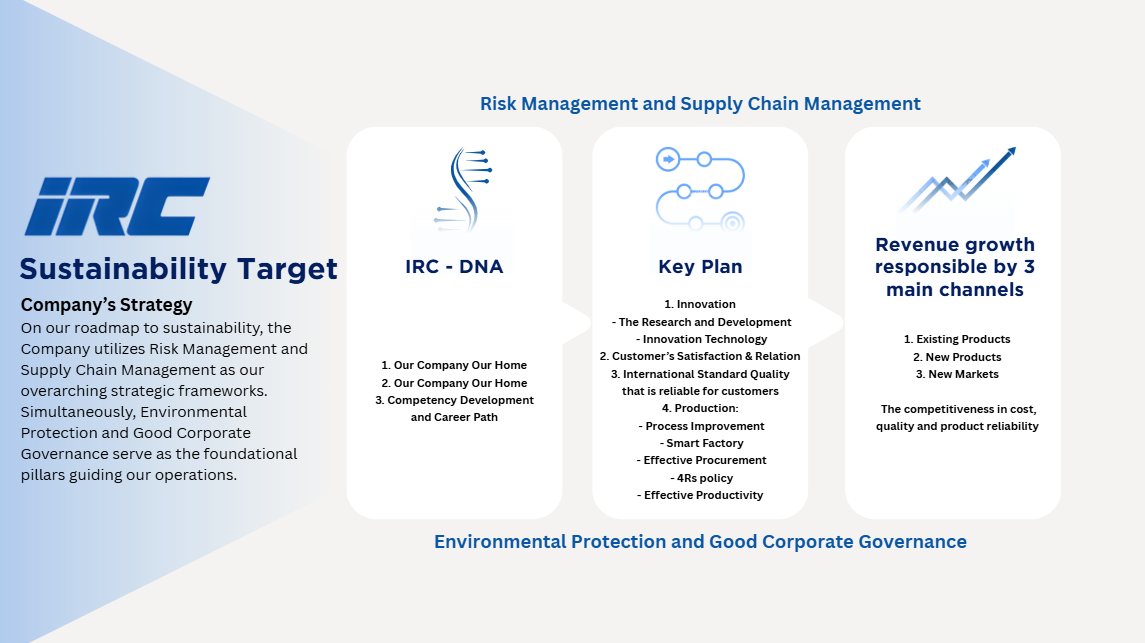
IRC is resolute to propel the organization to sustainability as per the sustainability strategy of the Company. It begins with the concrete base of everybody in IRC called IRC DNA, which consists of 1. Our Company Our Home 2. Corporate Culture and 3. Competency Development and Career Path.
Along the road to firm sustainability, there must be the risk management and supply chain management conducted by Risk Management Committee. On the other hand, Good Corporate Governance and Code of Conduct are conducted by Good Corporate Governance and Social Responsibility Committee. In addition, transparency and accountability are conducted by Audit Committee.
The roadmap for sustainability goal requires 4 key plans as follows.
Innovation; the Research and Development, and Innovation Technology
Customer’s Satisfaction & Relation
International Standard Quality that is reliable for customers
Production:
Process Improvement
Smart Factory
Effective Procurement
4Rs policy
Effective Productivity
Each department consists of a plan, a target, and an indicator, which are monitored and evaluated daily, monthly, and quarterly by the Executive Committee and the Board of Directors. These key plans bring about the competitiveness in cost, quality and product reliability, as well as revenue growth responsible by 3 main channels which are 1. Existing Products, 2. New Products and 3. New Markets that all lead to IRC’s sustainability goal.
Sustainability Goals & UN SDGs
Has Sustainability Goals
Yes
Goals Description
Given its sustainability goals, IRC has formulated sustainability management policies and plans in line with its business operations and corporate strategies to reflect its commitment to develop a business with the focus of environmental, social and governance (ESG) issues, following the Company’s vision. Additionally, the Company has developed its policies to be in line with the sustainable development goals (SDGs) of the United Nations and has reported activities that aim to achieve global sustainability in this report.
UN Sustainable Development Goals
| SDG Goal |
|---|
| Goal 1 No Poverty |
| Goal 2 Zero Hunger |
| Goal 3 Good Health and Well-being |
| Goal 4 Quality Education |
| Goal 5 Gender Equality |
| Goal 6 Clean Water and Sanitation |
| Goal 7 Affordable and Clean Energy |
| Goal 8 Decent Work and Economic Growth |
| Goal 9 Industry, Innovation and Infrastructure |
| Goal 10 Reduce Inequalities |
| Goal 11 Sustainable Cities and Communities |
| Goal 12 Responsible Consumption and Production |
| Goal 13 Climate Action |
| Goal 14 Life below Water |
| Goal 15 Life on Land |
| Goal 16 Peace, Justice and Strong Institutions |
| Goal 17 Partnerships for the Goals |
Policy Review
Policy Reviewed This Year
No
Policy Changed This Year
No
Business Value Chain
Value Chain Description
There are processes to connect with stakeholders at all stages throughout the organization’s value chain. The company has created value for the society and environment through its products and services following the organization’s vision on corporate governance and the BCG model, which focuses on economic development in three main areas including bio economy, circular economy, and green economy to boost the country’s competitiveness.
Stakeholder Analysis
Introduction
The Company has analyzed the organization’s value chain that directly and indirectly involves stakeholders from upstream to downstream. The stakeholders are divided into seven groups consisting of employees, customers, suppliers, society/community/environment, shareholders, competitors, and government agencies. The Company continues to listen to stakeholders’ opinions at least once a year and is truly determined to engage with stakeholders to effectively meet their needs and expectations and to improve sustainability management processes.
Stakeholder Analysis
| Stakeholder Type | Stakeholders | Stakeholder Expectations | Response to Expectations |
|---|---|---|---|
| Internal stakeholders | 2921 · Description: Employees |
1. Fair employee
benefits and
compensation
2. Health and sanitation
at work and job security
3.Happy working
environment
4. Professional skill
development to keep
up with the changes
5. Complaint channel
for fair hearings | 1. Establish policies and
employee treatment
practices.
2. Establish policies on
employee conduct and
treatment of other
employees.
3. Establish IRC’s safety,
occupational health, and
working environment
policies.
4. Provide personal
protective equipment (PPE) for employees.
5. Have a plan to develop
skills for employees at all
levels in the organization
(reskilling and upskilling).
6. Create a channel for fair
hearings for employees
such as an HR Clinic. |
| External stakeholders | 2923 · Description: Customers | 1. Reliable quality
2. Reasonable quality
and price
3. Supply chain management, On-time
delivery | 1. Recognize and adhere to
“The spirit of quality” that
represents the “Quality is
priority. On-time delivery.
Satisfied customers.”
Motto.
2. Comply with the rules
and standards at all times.
3. Promote internal quality control in each production unit. |
| External stakeholders | 2899 · Description: Suppliers | 1. Fair and equal
treatment of
suppliers
2. Efficient supply chain
3. Provide assistance in
various areas as
much as possible.
4. Potential joint development
5. Timely payment management | 1. Establish policies and
practices on supplier and/or creditor treatment.
2. Support potential
development of sub-contractors (SMEs).
3. Provide support to
improve the quality of rubber from Khlong Pang
Cooperative, Trang province to achieve
international certification such as PEFC’s ISO19001:
2015 sustainable rubber plantation standard.
4. Accurate, complete
and timely payment schedule. |
| External stakeholders | 2902 · Description: Community · 2928 · Description: Society | 1. Pollution and
environmental management
2. Environmentally
friendly products
3. Climate change
4. Efficient resource
management
5. Ecological conservation | 1. Establish social
and environmental
responsibility policies.
2. Establish environmental
policy.
3. Establish a monitoring
and surveillance agency
for environmental
complaints.
4. Conduct environmental
monitoring and evalua
tion on a regular basis to
improve and develop an
efficient environmental management system.
5. Organize activities in
collaboration with local
communities, such as
campaigns to clean
streets and public areas
for PM 2.5
6. Organize exhibitions and
support personnel as speakers with the
municipal authority to exchange and learn
together with network
partners, including
government agencies,
private sectors, and the
public, to raise awareness
and understanding of the
value of the environment
and the importance of
preserving and conserving
resources. |
| Internal stakeholders | 2913 · Description: Shareholders | 1. Corporate governance
2. Transparency in
business management
3. Effective risk
management | The board of directors, as
representatives of all
shareholders, has the
following duties:
1. Create policies and
manuals on corporate
governance and business
ethics.
2. Promote continuous
development of corporate governance.
3. Support the preparation
of sustainability report.
4. Appoint the Corporate
Governance and Social
Responsibility Committee
and the Risk Management
Committee.
5. Develop a risk
management plan. |
| External stakeholders | 2898 · Description: Competitors | 1. Business operations
that are transparent
and compete fairly
2. Assistance and
exchange of
information that is
beneficial to overall
industry. | 1. Develop a competitor
treatment policy.
2. Disclose the Company’s
information in the annual
report and sustainability
report. |
| External stakeholders | 2931 · Description: Government agencies and Regulators | 1. Certification
2. Comply with concerned
Law and Regulation
3. Control environment
inside the Company at
required standard
4. Acknowledged the new
regulation. | 1. The Company asks
permission and certification
from related parties before
starting the operation.
2. The Company follows
concerned law and regulation.
3. Be responsible for society,
as well as control,
maintain, preserve and
promote environment.
4.
Monitoring the new regulation |
Environmental Policy & Guidelines
Has an Environmental Policy
Yes
Policy Description
The Company prioritizes environmental management by investing in the improvement and development of production processes to achieve efficient resource utilization. This approach aims to minimize waste and pollution that could negatively impact the quality of life of stakeholders, while ensuring compliance with relevant laws and regulations governing the Company’s operations.
The Company implements an environmental management system in accordance with ISO 14001 standards and fosters a green culture among employees. These efforts are aimed at reducing the environmental footprint and contributing to the preservation of a sustainable world for future generations.
IRC has defined “Environmental Policy” to be upheld by all members within the organization in order to drive sustainable development in the aspects of environmental conservation and maintenance of balanced ecosystem.
Improve and develop environmental management system which consistent with laws and other requirements concerning with organization’s procedures
Efficiently and effectiveness utilize of electrical power, water, and all others resources
Develop management process according to 4Rs principle for zero waste and zero pollution from production process and other activities. including prevention of potential pollution.
Promote and develop staff to have a green spirit for creating a culture and environmental awareness by impacts from ctivities that affect the environment, save for better environment to the Company and community
Promoting and supporting activities to control and reduce greenhouse gas emissions, aiming to achieve carbon neutrality and business sustainability through collaboration with all stakeholders.
Communicate Environmental policy to public
The Company has established environmental practices covering the management of the following areas:
Electricity Management
Fuel and Oil Management
Renewable and Clean Energy Management
Water Resources and Water Quality Management
Waste and Refuse Management
Greenhouse Gas Management and Climate Change
Air Quality Management
Noise Pollution Management
Environmental Guidelines
| Guideline |
|---|
| Electricity Management |
| Fuel Management |
| Renewable/Clean Energy Management |
| Water Management |
| Waste Management |
| Greenhouse Gas and Climate Change Management |
| Air Quality Management |
| Noise Pollution Management |
Environmental Policy Review
Policy Reviewed This Year
Yes
Review Details
There has been a revision to the Environmental Policy - 5. Promoting and supporting activities to control and reduce greenhouse gas emissions, aiming to achieve carbon neutrality and business sustainability through collaboration with all stakeholders.
Policies & Guidelines Changed
| Change | Other — Please Specify |
|---|---|
| Other | Environment Policy |
Energy — Plan & Guidelines
Has an Energy Management Plan
Yes
Plan Description
The Company recognizes the challenges posed by climate change and severe natural disasters, which cause significant damage to lives, property, and natural resources. Consequently, we have established a responsible business framework that promotes conscious and sustainable energy consumption. This includes systematic development of our production processes and operations, prioritizing environmentally friendly procurement and energy sources, and advocating for clean energy projects. These initiatives are designed to minimize impacts on the environment and the community, mitigate global warming, and align with the United Nations Framework Convention on Climate Change (UNFCCC) and the Paris Agreement.
Energy Saving Policy
The Company will operate and develop appropriated energy management system which is a part of the Company’s business operations and it has to be implemented in accordance with relevant laws and regulation.
The Company will continuously improve the energy efficiency in order to meet the nature of business, production technology and internationally best practices.
The Company will set annual plan and goal for the energy conservation and communicate with all employees for accurate understanding and compliance.
The Company regards that the energy conservation is the duty and responsibility of all executives and employees at all levels and they are required to deliver their cooperation to comply with the energy saving measures, to monitor and report relevant issue to the energy saving committee.
The Company will support the necessary resources, including personnel, budget, time as well as training courses and encourage all employees’ participation through presenting their suggestions that are beneficial to energy saving of the Company.
The Company by energy saving committee will revise the energy saving policy, goal, and plan on annual basis.
Professional Translation
"The Company is committed to advocating for and promoting the adoption of renewable energy and alternative energy sources within our facilities. These efforts aim to enhance energy conservation and reduce greenhouse gas emissions in order to achieve our established targets.
Management Approach
Economical and cost-effective energy use by cultivating values and awareness of energy use.
Plan and control energy efficiency and maximize benefits. Reduce energy loss in all steps engaged. Regular monitoring and supervision of electrical appliances is done to lessen energy leakage.
Use of renewable energy especially one from natural sources such as solar energy.
Utilize high-efficiency tools and equipment, such as energy-efficient appliances with a 5-star energy rating, slim energy-saving fluorescent lamps, LED lights, and upgrade to higher-performance equipment.
Devise products with lower environmental impacts, and use green technology as part of consideration for future investment projects.
Adding Business Value through Greenhouse Gas Emission Reduction Projects
Carbon Footprint Product (CFP) Promotion Project, in collaboration with the Thailand Greenhouse Gas Management Organization
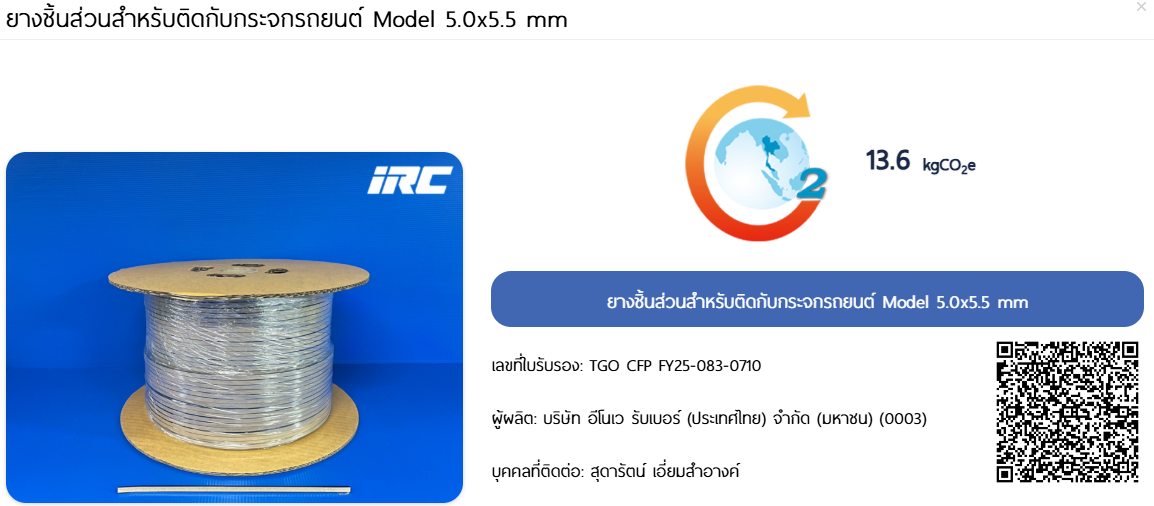
The certified product is the Automotive Window Weatherstrip (Model 5.0x5.5 mm). Each roll measures 150 meters in length and weighs 3.16 kg. As of November 26, 2024, the CFP for this item is calculated at 13.6 kgCO2e.
Energy Conservation Project
Rangsit Plant
Solar Photovoltaic Rooftop Project with an installed capacity of 352.58 kWp
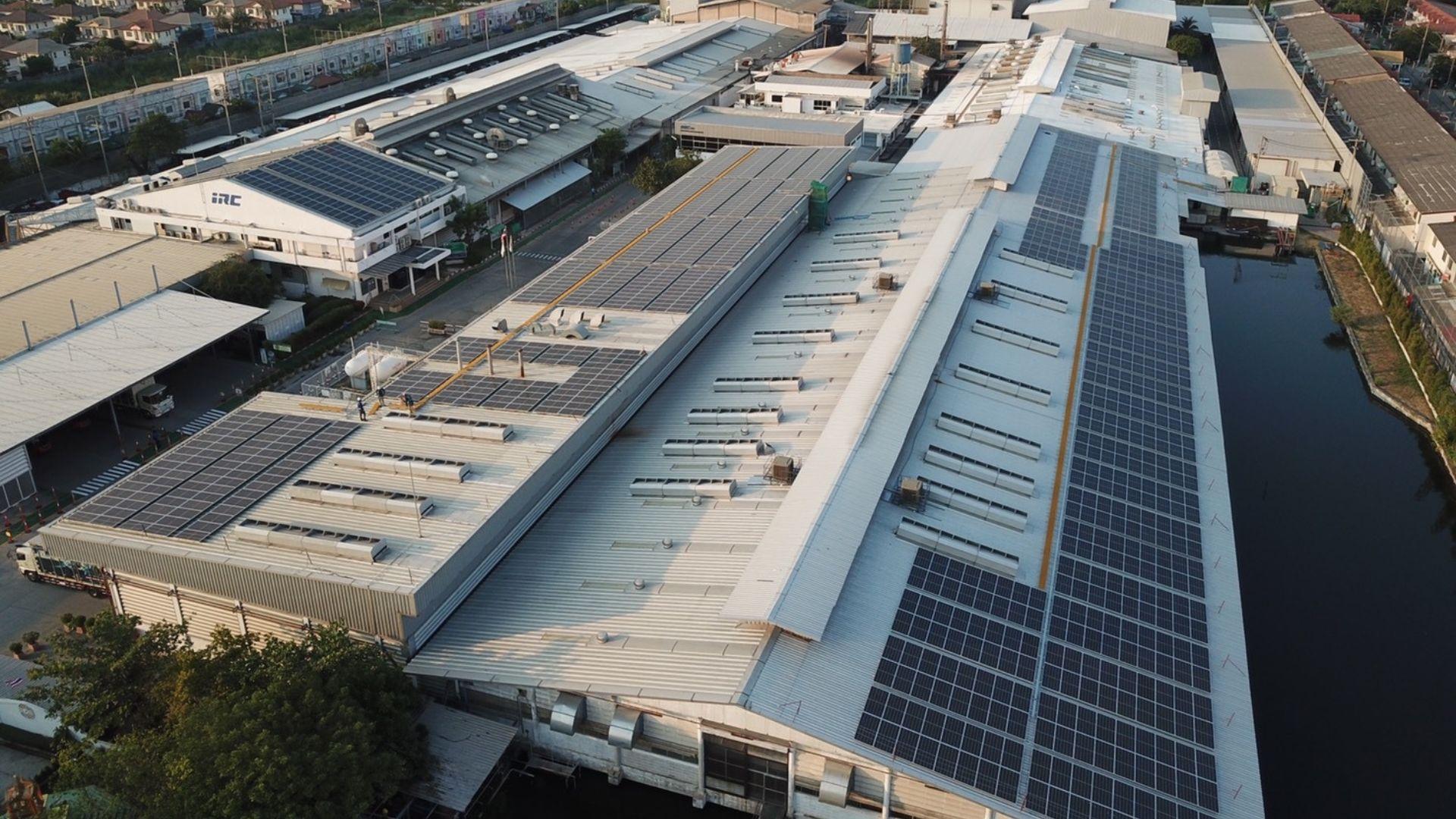

In 2023, the Company expanded its solar energy initiative into Phase 2 by installing an additional Solar Rooftop system with a capacity of 352.58 kWp. The license to operate the regulated energy power plant was officially granted by the Department of Alternative Energy Development and Efficiency on December 25, 2024.
Energy Efficiency Improvement Project: Installation of High-Efficiency Variable Speed Drive (VSD) Air Compressors
The Company has installed two units of 185 kW / 250 HP Low-Pressure VSD Air Compressors. These units automatically adjust motor speeds to match the actual demand of the compressed air system, eliminating unnecessary electrical loads and enhancing overall production efficiency. Energy Savings: 1,090,957 kWh/year. Cost Savings: 4,516,564 THB/year. Carbon Reduction: 545.37 tCO2/year
Energy Efficiency Improvement Project: Installation of Hydraulic Systems in the Rubber Mixing Process
The Company implemented energy efficiency improvements by installing hydraulic systems within the rubber mixing process at the B2 Mixing Production area. This system allows for precise control of pressure and operating rates, resulting in seamless machine operation and optimized energy consumption. Energy Savings: 198,152 kWh/year. Cost Savings: 867,908 THB/year. Carbon Reduction: 99.06 tCO2/year
Wangnoi Plant
Installation of Solar Rooftop Phase 2 with a capacity of 1.2 MW
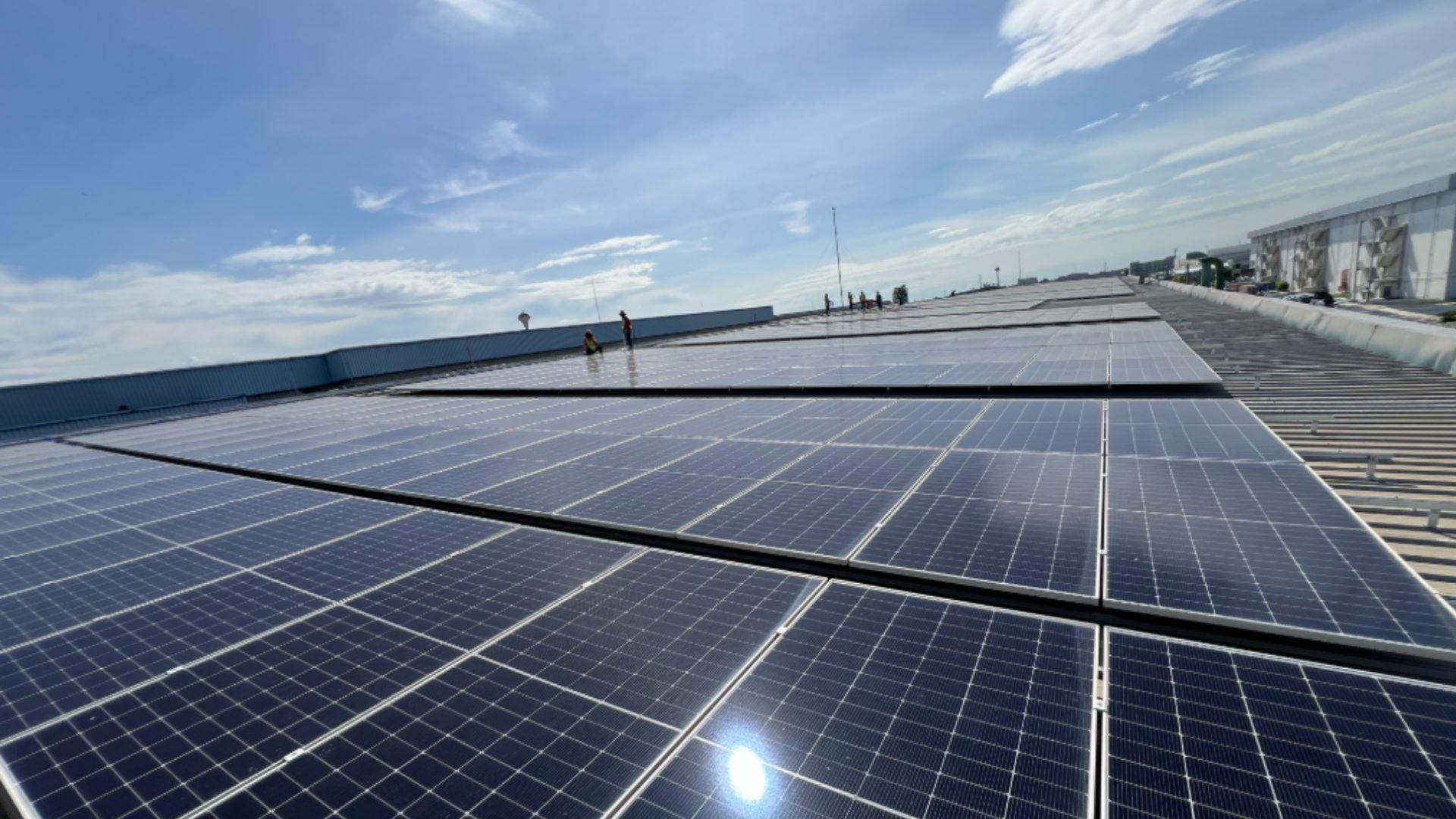
Solar Rooftop Installation (Phase 2): 1.2 MW Capacity. The Company installed a Phase 2 Solar Rooftop system, covering the entire roof area of the Press 2 manufacturing building. This system generates renewable energy to replace external power purchases, yielding the following results: Energy Generation: 1,545,895 kWh/year. Cost Savings: 6,214,498 THB/year. Carbon Reduction: 772.79 tCO2/year.
Switching from Air Compressors to Air Blowers in Production
Wang Noi Plant replaced Air Compressors with Air Blowers in specific production processes. This optimization resulted in Cost Savings: 632,376 THB/year.
Compressed Air Leakage Reduction Program
Wang Noi Plant conducted comprehensive audits to identify and repair leaks within the compressed air system. By eliminating this energy waste through rigorous piping inspections and maintenance, the plant achieved Cost Savings: 768,342 THB/year.
Energy — Electricity Consumption
Electricity Consumption
| Metric | Current Year | Previous Year | Two Years Ago |
|---|---|---|---|
| Total electricity consumption within the organization (Kilowatt-Hours) | 32,415,624.67 | 34,383,611.11 | 36,670,833.33 |
| Electricity purchased for consumption from non-renewable energy sources (Kilowatt-Hours) | |||
| Electricity purchased or generated for consumption from renewable energy sources (Kilowatt-Hours) |
Energy — Fuel Consumption
Fuel Consumption
| Metric | Current Year | Previous Year | Two Years Ago |
|---|---|---|---|
| Crude oil (Barrels) | 0 | 0 | 0 |
| Coal (Metric tonnes) | 0 | 0 | 0 |
| Jet fuel (Litres) | 0 | 0 | 0 |
| Diesel (Litres) | 43,616 | 38,903 | 43,212 |
| Gasoline (Litres) | 53,742 | 21,931 | 27,104 |
| Fuel oil (Litres) | 4,487,450 | ||
| Natural gas (Standard cubic feet) | |||
| LPG (Kilograms) | 40,320 | 44,496 | 48,480 |
| Steam (Metric tonnes) | 0 | 0 | 0 |
Energy — Targets
Has Set Targets
No
Energy — Performance & Outcomes
Has Performance Results
Yes
Performance Description
Energy Management Performance in 2025
Rangsit Plant
Reducing electricity costs through the continuous implementation of energy conservation projects, aimed at enhancing energy efficiency and mitigating greenhouse gas emissions. |
Utilized 1.434 MW of electricity generated from solar photovoltaic energy. |
Reduced energy intensity (energy consumption per ton of production) by 4.02% |
Wangnoi Plant
Reducing electricity costs through the continuous implementation of energy conservation projects, aimed at enhancing energy efficiency and mitigating greenhouse gas emissions. |
Utilized 2,597,682.29 kWh of electricity generated from solar photovoltaic energy. |
Reduced energy intensity (energy consumption per ton of production) by 6.3 Wang Noi plant has decommissioned the use of boilers in its production processes, resulting in a reduction in fossil fuel consumption and overall electricity cost savings. |
Water — Plan & Guidelines
Has a Water Management Plan
Yes
Plan Description
Water management

Wastewater Management
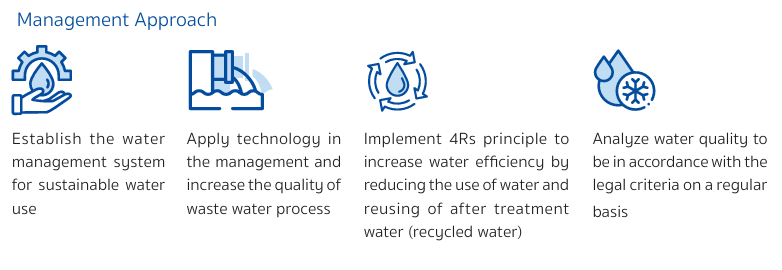
The Company utilizes "Electrocoagulation" technology for wastewater treatment. This process leverages high-voltage electrical reactions to create concentrated magnetic fields capable of separating various contaminants—such as bacteria, oil, and heavy metals—from water. This method is chemical-free and environmentally friendly.
Furthermore, the Company manages effluent using the 4Rs principle to reduce the volume of wastewater discharged into the company’s storage ponds. This includes a wastewater recycling system designed to reclaim water for reuse within the production process.
In 2025, the Company’s relevant departments monitored and measured the organic matter levels in the treated water and found that:
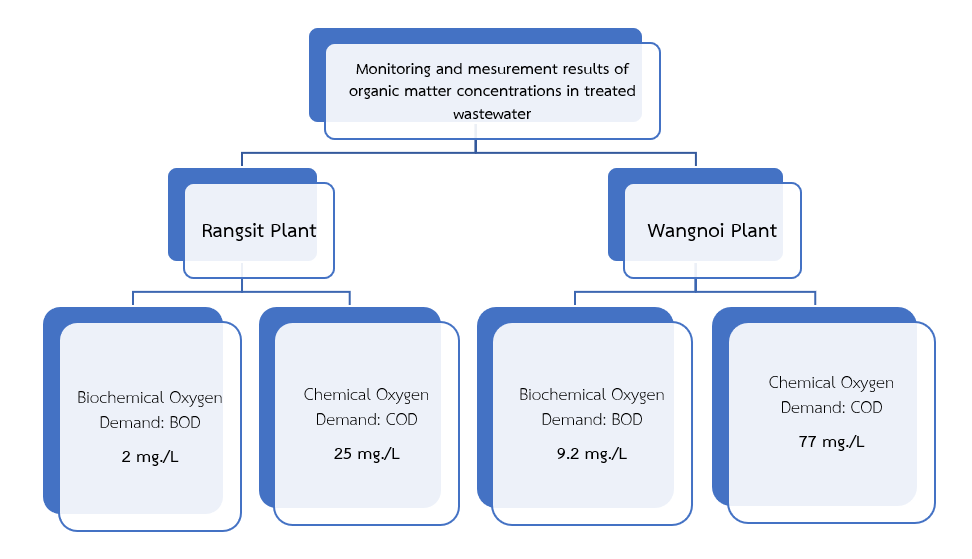
The Company consistently maintains effluent quality standards in accordance with the Ministry of Industry's regulations. The treated clean water is circulated for non-potable utility purposes, such as landscape irrigation and cooling systems, and is also reserved for emergencies, such as fire suppression.
Operational Plan
To minimize internal wastewater discharge, the Company effectively manages water through the 4Rs principle, with the following strategic actions:
Project Implementation: Execute various initiatives to reduce wastewater, including water management programs, consumption reduction, wastewater reclamation, and wastewater recycling.
Quality Monitoring: Conduct regular internal monitoring and third-party quality audits by certified agencies. This ensures that water discharged into the company's storage ponds strictly complies with legal standards. Furthermore, analytical data is used to optimize and enhance the wastewater treatment system's efficiency, ensuring high-quality recycled water can substitute for municipal water purchased from the Provincial Waterworks Authority (PWA).
Internal Water Management: Control water usage across all factory activities to ensure optimal consumption. This includes recording water usage for special activities—such as Big Cleaning Days and Wet Scrubber maintenance—while performing regular leak inspections to prevent waste. Additionally, the Company promotes awareness campaigns to instill a sense of water stewardship among employees and encourage factory-wide water reduction.
Renewable Energy Integration: Installed Solar-Powered Water Aerators at the Rangsit Plant's storage ponds to maintain water quality.
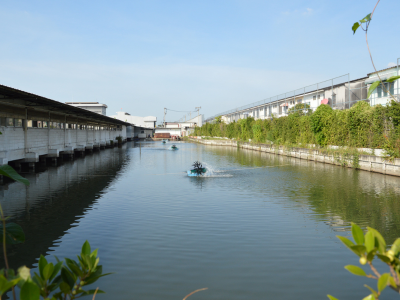
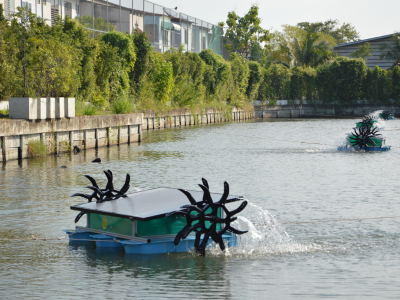
The company prioritizes the avoidance of direct impacts on aquatic ecosystems and biodiversity by implementing stringent wastewater management measures. All operational wastewater undergoes standardized treatment processes before being recycled for internal use. With a zero-discharge policy toward communities and natural water bodies, the company effectively mitigates the risk of water contamination and minimizes potential negative impacts on local wildlife and ecosystems surrounding its facilities.
Furthermore, the company integrates preventative environmental management practices into its business operations to avoid potential impacts on biodiversity across the entire value chain. We focus on the consistent monitoring and control of water quality, alongside the continuous enhancement of our water treatment systems. These measures mitigate environmental risks and reflect the company's commitment to responsible business practices that prioritize the sustainability of local ecosystems and communities.
Water — Withdrawal, Discharge & Consumption
Water Withdrawal, Discharge & Consumption
| Metric | Current Year | Previous Year | Two Years Ago |
|---|---|---|---|
| Total water withdrawal (Cubic meters) | 157,097 | 145,100 | 168,516 |
| Total water withdrawal by third-party water (Cubic meters) | 108,184 | 96,727 | 109,419 |
| Total water withdrawal by surface water (Cubic meters) | 0 | 0 | 0 |
| Total water withdrawal by groundwater (Cubic meters) | 48,913 | 48,373 | 59,097 |
| Total water withdrawal by seawater (Cubic meters) | 0 | 0 | 0 |
| Total water withdrawal by produced water (Cubic meters) | 0 | 0 | 0 |
| Percentage of wastewater treated before discharge (%) | 100 | 100 | 100 |
| Total water discharge (Cubic meters) | 0 | 0 | 0 |
| Total water discharge to third-party water (Cubic meters) | 0 | 0 | 0 |
| Total water discharge to surface water (Cubic meters) | 0 | 0 | 0 |
| Total water discharge to groundwater (Cubic meters) | 0 | 0 | 0 |
| Total water discharge to seawater (Cubic meters) | 0 | 0 | 0 |
| Total water consumption (Cubic meters) | 157,097 | 145,100 | 168,516 |
| Recycled water (Cubic meters) | 16,228 | 19,177 | 24,191 |
Water — Targets
Has Set Targets
No
Water — Performance & Outcomes
Has Performance Results
Yes
Performance Description
Key Performance of Water Management in 2025
Rangsit Plant: The amount of Biochemical Oxygen Demand (BOD) 2 mg/liter in line with the control standard value for not more than 20 mg/liter Wangnoi Plant: The amount of Biochemical Oxygen Demand (BOD) 9.2 mg/liter in line with the control standard value for not more than 20 mg/liter |
Rangsit Plant: The amount of Chemical Oxygen Demand (COD) 25 mg/liter in line with the control standard value for not more than 120 mg/liter Wangnoi Plant: The amount of Chemical Oxygen Demand (COD) 77 mg/liter in line with the control standard value for not more than 120 mg/liter |
Rangsit Plant: Total Dissolved Solids (TDS) 350 mg/liter in line with the control standard value for not more than 3,000 mg/liter Wangnoi Plant: Total Dissolved Solids (TDS) 201 mg/liter in line with the control standard value for not more than 3,000 mg/liter |
2025 Plan | Overall Results | |
Water Reuse Project | ||
1. | Expansion of the Energy Efficiency Improvement Project: Reclaiming waste condensate for use in production processes to replace electric heaters, thereby reducing energy consumption (Ongoing Project).
| Successfully reclaimed waste condensate for beneficial reuse. Energy Savings: 238,464 kWh/year Cost Savings: 999,960 THB/year Carbon Reduction: 119.20 tCO2e (Tons of Carbon Dioxide Equivalent) |
2 | RO Reject Water Recovery Project: The water from the Reverse Osmosis (RO) process is divided into two streams: one is directed to the production process, while the other is 'Brine' (concentrated wastewater) which was previously unutilized. To enhance water efficiency, the Company applied the 4Rs principle by reclaiming this Brine water, which was formerly discarded, and repurposing it for toilet flushing within the company facilities to reduce overall water consumption. | Reduced municipal water consumption for toilet flushing by 618 cubic meters per year, representing 0.75% of the Company’s total water consumption. |
3 | Treated Wastewater Reuse Project for Green Spaces | The Company has installed water meters to monitor recycled water usage, enabling the systematic collection and tracking of reclaimed water volumes. |
Water reduction Project | ||
1. | The Company organized a "World Water Day" event on March 22, 2025, under the theme "Conserving Water Resources: Using Water Wisely and Maximizing Value," following the 4Rs framework (Refuse, Reduce, Reuse, Recycle). The event consisted of two core activities: Awareness Campaign:An initiative to provide education on the current global water situation and guidelines for efficient water usage. This involved using internal communication channels and public relations media to encourage employees to adopt more water-saving habits and behaviors. "Share Your Water-Saving Ideas" Photo Contest:An opportunity for employees to submit photographs reflecting water conservation concepts in their daily lives or workspaces. Selected entries were showcased internally to inspire others and facilitate the exchange of ideas on valuing water resources. | The 2025 World Water Day activities serve as a testament to the Company’s commitment to fostering a corporate culture of water and environmental conservation through the engagement of employees at all levels. The Company remains dedicated to conducting such initiatives on a continuous basis to cultivate a mindset of sustainability and advocate for the responsible use of resources. |

Waste — Plan & Guidelines
Has a Waste Management Plan
Yes
Plan Description
The Company is committed to managing internal waste effectively to achieve the goal of maximizing resource efficiency and mitigating global warming. Complying with relevant regulations is a core pillar of our business operations, reflecting our responsibility toward the community, society, and the environment.
Management Approach
The Company has adopted the 4Rs principle in waste management to achieve Zero Waste to Landfill. This journey begins with production planning, machinery upgrades, and continuous process development. Furthermore, we emphasize cultivating proper waste management habits among employees to minimize waste generation at the source.
Our waste management framework integrates Refuse, Reduce, Reuse, and Recycle. Additionally, the Company promotes the use of Renewable resources and the Rejection of products that cause environmental impact. We also develop technologies to minimize operational waste, such as implementing automation in production and utilizing software to reduce paper consumption and streamline project workflows.
1. "Kaya Boon" Project
Project Details: Proceeds from waste sales are donated to the following three organizations:
Rangsit Babies' Home (Khlong Ha), Pathum Thani Province.
Home for the Elderly (Khlong Hok), Pathum Thani Province.
Siriraj Hospital.
2. Food Waste: Food scraps from the company cafeteria are sold as animal feed.
3. Plastic Reduction: Discontinued the distribution of plastic bags in the cafeteria and campaigned for the use of cloth bags to reduce plastic waste.
4. Rubber Scrap Management: Rubber scraps from production are sold for processing into Alternative Fuel, minimizing fossil fuel reliance. Additionally, a portion of the scrap is repurposed into floor mats (Vi-Pafe) under the IRC brand or sold to rubber processing plants for recycling, a key component of our 4Rs strategy.
5. Disposal and Sorting: The Company continuously campaigns for waste segregation at the source to ensure unutilized materials can be repurposed or managed systematically and appropriately.
Hazardous Waste: Handled by certified third-party contractors licensed for the professional treatment and disposal of hazardous materials.
Recyclable Waste: Sold to authorized recycling companies for further processing.
General Waste: Managed by local municipalities and authorized waste disposal firms.
Operational Plan
Promote waste segregation by category, General Waste, Recyclable Waste, and Hazardous Waste, to streamline disposal and sales processes. Recyclable waste collected will be integrated into the "Kaya Boon" Project.
Waste — Generation, Disposal & Recycling
Waste Generation, Disposal & Recycling
| Metric | Current Year | Previous Year | Two Years Ago |
|---|---|---|---|
| Total waste generated (Kilograms) | 1,515,378.12 | 3,892,877.03 | 1,990,432.26 |
| Non-hazardous waste (Kilograms) | 1,232,680.25 | 3,561,688.03 | 1,958,329.43 |
| Non-hazardous waste - Landfilling (Kilograms) | 0 | 0 | 0 |
| Non-hazardous waste - Incineration (with energy recovery) (Kilograms) | 181,820 | 181,820 | 181,820 |
| Non-hazardous waste - Incineration (without energy recovery) (Kilograms) | 0 | 0 | 0 |
| Non-hazardous waste - Other disposal operations (Kilograms) | 1,050,860.25 | 3,379,868.03 | 1,776,509.43 |
| Hazardous waste (Kilograms) | 282,697.87 | 331,189 | 32,102.83 |
| Hazardous waste - Landfilling (Kilograms) | 0 | 0 | 50 |
| Hazardous waste - Incineration (with energy recovery) (Kilograms) | 280,945.87 | 325,060 | 30,030.83 |
| Hazardous waste - Incineration (without energy recovery) (Kilograms) | 0 | 0 | 0 |
| Hazardous waste - Other disposal operations (Kilograms) | 1,752 | 6,129 | 2,022 |
| Total reused/recycled waste (Kilograms) | 1,234,432.25 | 1,911,166.57 | 1,110,154.48 |
| Reused/Recycled non-hazardous waste (Kilograms) | 1,232,680.25 | 1,910,020.57 | 1,108,605.48 |
| Reused non-hazardous waste (Kilograms) | 0 | 0 | 0 |
| Recycled non-hazardous waste (Kilograms) | 1,232,680.25 | 1,910,020.57 | 1,108,605.48 |
| Reused/Recycled hazardous waste (Kilograms) | 1,752 | 1,146 | 1,549 |
| Reused hazardous waste (Kilograms) | 0 | 0 | 0 |
| Recycled hazardous waste (Kilograms) | 1,752 | 1,146 | 1,549 |
Waste — Targets
Has Set Targets
Yes
Targets
| Waste Type | Disposal Approach | Target | Target Year | Target Change (%) | Unit |
|---|---|---|---|---|---|
| Non-hazardous waste | 2763 · Other name: Transitioned from landfill disposal to alternative waste-to-energy methods, such as Refuse-Derived Fuel blending and other recovery processes. · Description: Other | Reduce waste volume | 2,050 | 100 | Kilograms |
Waste — Performance & Outcomes
Has Performance Results
Yes
Performance Description
Key Waste Management Performance Results in 2025
The total waste volume was 1,515.38 tons |
The total amount of hazardous waste was 282.70 tons Income from selling hazardous waste was 409,786 Baht |
The total anount of non-hazardous waste The total amount of recycled waste was 1,232.68 tons Income from selling non-hazardous waste 7,307,710.76 Baht |
GHG — Plan & Guidelines
Has a GHG Management Plan
Yes
Plan Description
1. REDUCE
Carbon Emissions: Target a 30% reduction in operational carbon emissions by 2030 through production efficiency improvements and optimized resource/energy utilization and Net Zero Emission by 2050
Waste Management: Minimize pollution by reducing waste generation, applying the 4Rs principle for resource efficiency, and ensuring effective waste treatment to achieve Zero Waste to Landfill.
2. PROMOTE
Renewable Electricity: Transition toward the integration of renewable energy sources within the organization.
Sustainable Transportation: Utilize appropriate, high-efficiency, and low-emission vehicles.
Green Product Development: Innovate and develop environmentally friendly products.
Sustainable Procurement: Support the selection of products and raw materials with certified Carbon Footprints.
Green Investment: Prioritize investment opportunities that drive long-term sustainability.
3. OFFSET
Forestry: Enhance carbon sequestration through reforestation and the protection of existing forest ecosystems.
Energy Conservation Projects: Utilize Carbon Credits to offset organizational greenhouse gas emissions or engage in carbon market trading.
GHG — Emissions
GHG Emissions
| Metric | Current Year | Previous Year | Two Years Ago |
|---|---|---|---|
| Total GHG emissions (Metric tonnes of carbon dioxide equivalent) | 26,273 | 23,271 | 22,589 |
| Total greenhouse gas emissions 1 (Metric tonnes of carbon dioxide equivalent) | 15,682 | 13,035 | 12,343 |
| Total greenhouse gas emissions 2 (Metric tonnes of carbon dioxide equivalent) | 10,095 | 10,221 | 10,232 |
| Total greenhouse gas emissions 3 (Metric tonnes of carbon dioxide equivalent) | 496 | 15 | 14 |
GHG — Emissions Verification
Emissions Verified by a Third Party
No
GHG — Principles & Standards
Principles & Standards Applied
| Standard |
|---|
| 2671 |
GHG — Targets
Has Set GHG Targets
Yes
GHG Targets — Net Zero
Introduction
Vision
IRCT Group will achieve organizational Net Zero by 2050 through collaborative creation with its stakeholders
Mission
Implementing the 4Rs (Reduce, Reuse, Recycle, and Refuse) principles in the organization
Conservation of energy, water and other natural resources
Commitment to purchasing, selling, and utilizing low-carbon and Eco-friendly products
Educating employees, customers and other stakeholders
Bridging between product price and carbon footprint along with carbon trading costs for future business competition
Net Zero Targets
| Emission Scope | Base Year | Base Year Emissions | Near-term Target Year | Near-term Target Change (%) | Long-term Target Year | Long-term Target Change (%) | Target Year | Target Change (%) | Unit |
|---|---|---|---|---|---|---|---|---|---|
| 2716 | 2,018 | 13,350 | 2,030 | 30 | 2,050 | 100 | 2,030 | 30 | Metric tonnes of carbon dioxide equivalent |
GHG — Performance & Outcomes
Has Performance Results
Yes
Performance Description
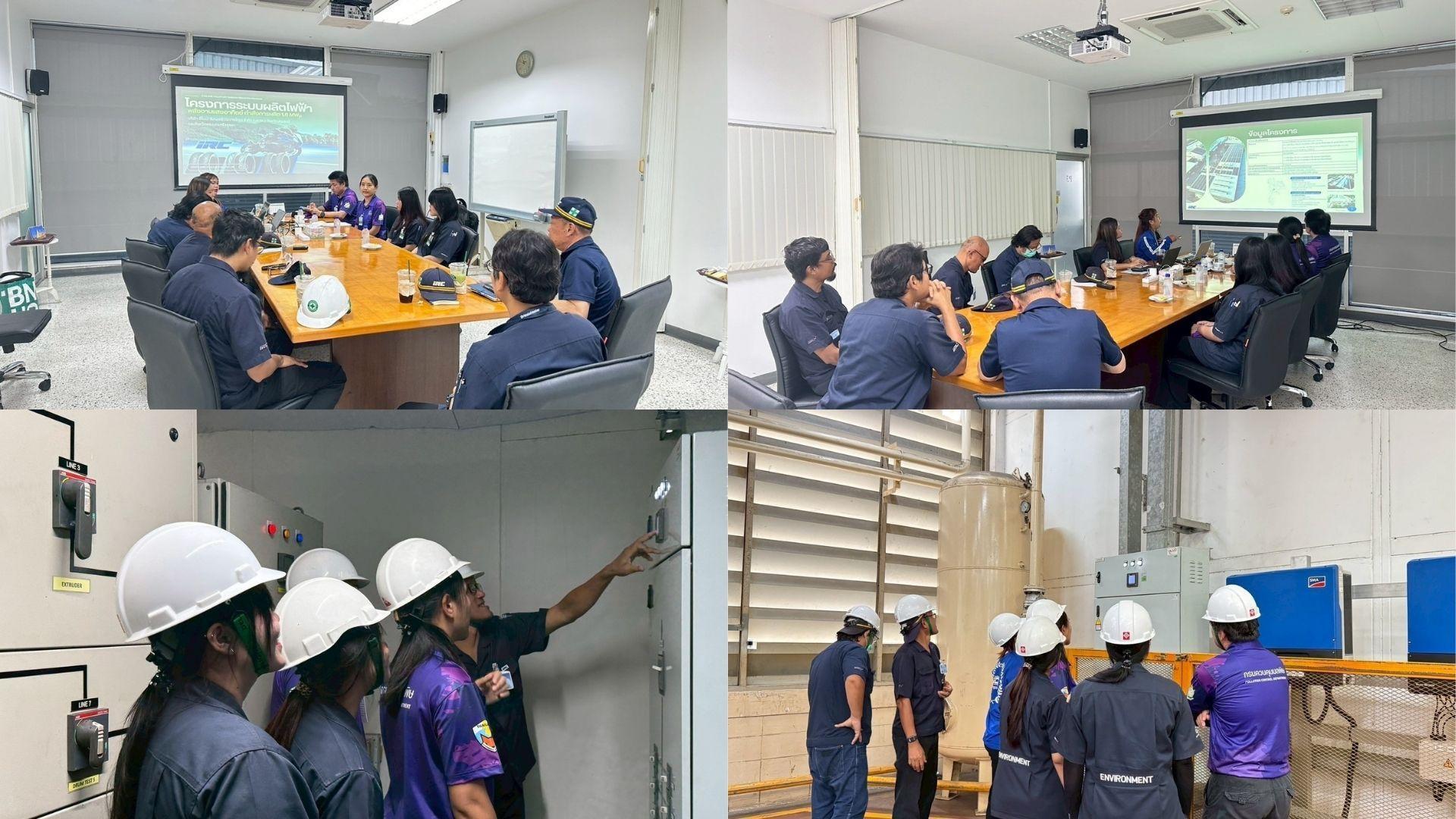
Monitoring and Evaluation of Greenhouse Gas Reduction Project (T-VER)
The Company has successfully undergone monitoring and passed the evaluation for the Thailand Voluntary Emission Reduction Program (T-VER). This pertains to the 1.6 MWp Solar PV System Project installed across our facilities in Pathum Thani and Phra Nakhon Si Ayutthaya provinces. The monitoring was conducted on April 29, 2025, by a verification team from the Regional Environmental and Pollution Control Office 6. The evaluation ensured that the project’s operations align with the criteria set by the Thailand Greenhouse Gas Management Organization (Public Organization) or TGO. This achievement reflects the Company’s steadfast commitment to reducing greenhouse gas emissions, promoting clean energy utilization, and driving the organization toward sustainable development.
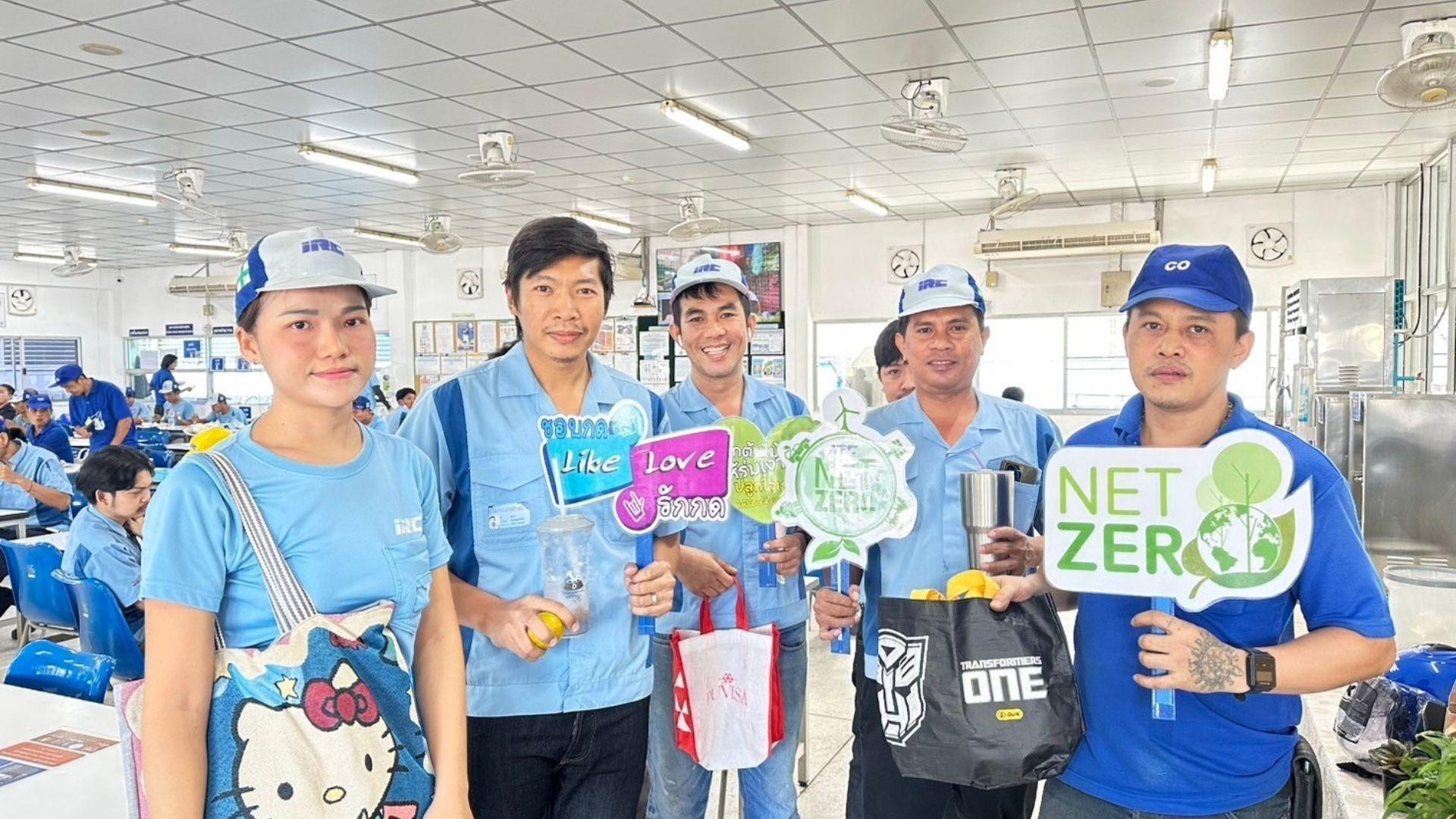
Promoting Employee Engagement in Greenhouse Gas Reduction
The Company organized an event in observance of Thai National Environment Day on December 4, 2024, to encourage employee participation in environmental conservation. The initiative aimed to raise awareness regarding the importance of resource efficiency and collective action in reducing greenhouse gas emissions. The event featured the “One Air-Purifying Plant per Person: Toward a Low-Carbon Society” campaign and the “IRC Greenery Challenge” to expand green spaces within the organization and surrounding communities, supporting the transition to a Low-Carbon Society. Additionally, the event included the distribution of eco-friendly souvenirs and educational media to inspire employees to integrate sustainable development concepts into their daily lives.
These activities reflect the Company’s commitment to becoming a “Green Organization” that prioritizes pollution reduction and adaptation to the “Global Boiling” era, ensuring a sustainable environment for society.
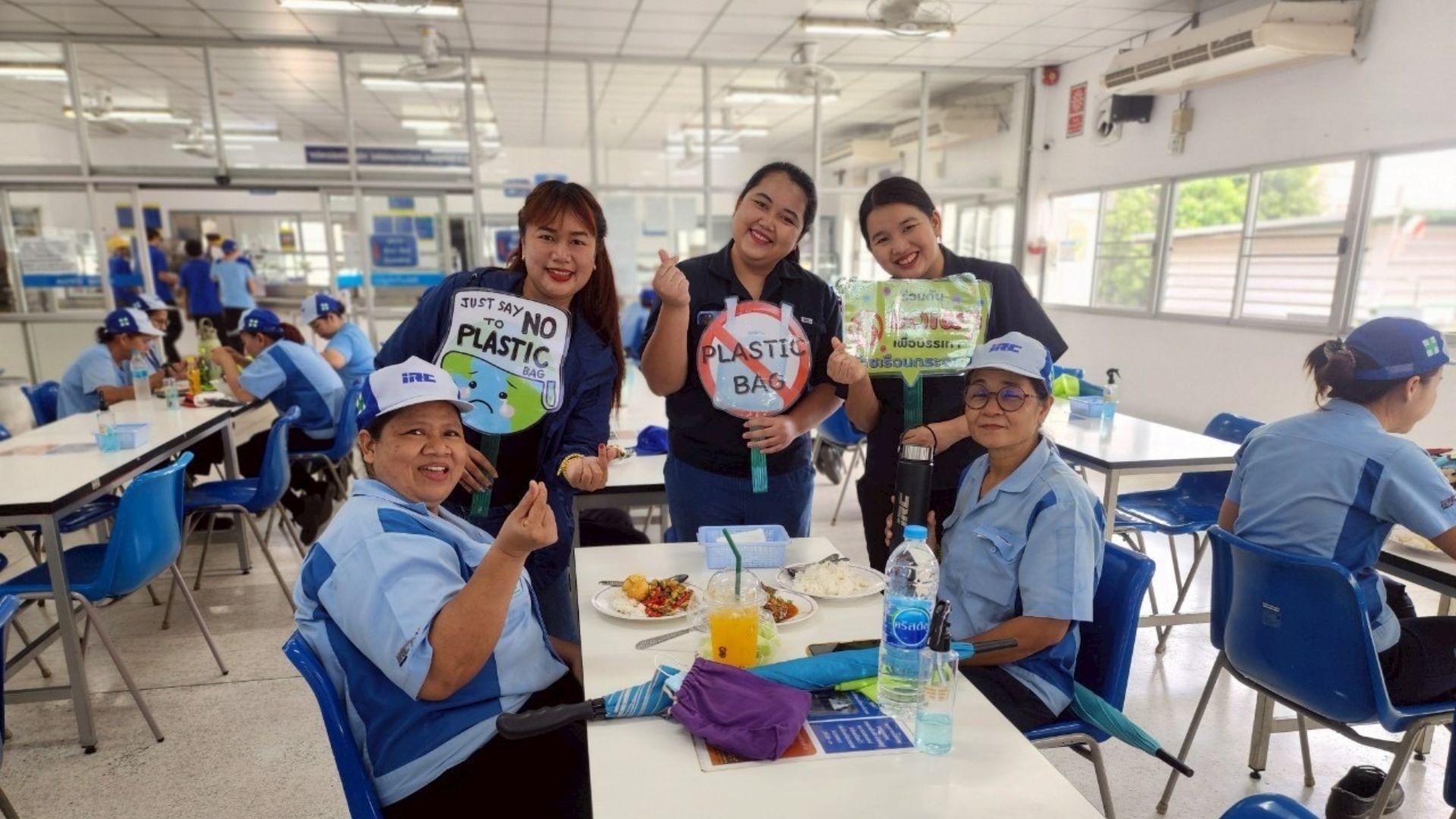
The Company organized the "IRC Save The World" campaign to observe World Environment Day, an initiative held annually on June 5. For 2025, the event was conducted on June 4 under the theme "IRC United: Reducing Greenhouse Gases." The project aims to empower personnel with accurate environmental knowledge, foster an understanding of climate change impacts, and encourage collective action to reduce greenhouse gas emissions by promoting behavioral changes in the workplace and maximizing resource efficiency.
Environmental Legal Incidents
Legal Violation Incidents
| Metric | Current Year | Previous Year | Two Years Ago |
|---|---|---|---|
| Number of cases or incidents of legal violations or negative environmental impact (cases) | 0 | 0 | 0 |
Other Environmental Management
Plan Description
Air Quality Control
The Company is dedicated to business development in parallel with air pollution control. Beyond strict legal compliance, we are deeply committed to minimizing impacts on surrounding communities and society. We have made continuous investments to mitigate dust, odor, and noise issues that may affect our neighbors. These initiatives include utilizing high-efficiency pollution treatment systems and optimizing specific production processes to build community trust and alleviate local concerns.
Management
Air Quality Management Project
Project | Details | Results |
Rangsit Plant | ||
Air Pollution Treatment Efficiency Improvement Project for Rubber Mixing Process B1 | The Company has implemented the 'Air Pollution Treatment System Upgrade and Optimization Project' for the B1 Rubber Mixing area. This involved the installation of a Venturi Scrubber system in conjunction with an Activated Carbon system to control and reduce air pollutant concentrations prior to atmospheric discharge. | To reduce odors and particulate matter from the production process, improve indoor air quality within the factory, and mitigate environmental impacts on the surrounding community, resulting in:
|
Efficiency Optimization Project for Air Circulation and Energy Consumption through the Installation of an Evaporative Cooling System at the Batch-off B1 Process | The Company installed an Evaporative Cooling System at the Batch-off B1 process to enhance the efficiency of temperature control and water evaporation within the rubber production line. This initiative reduces energy consumption in the cooling system, improves heat dissipation efficiency, and lowers humidity in the workspace. These improvements contribute to a better working environment and minimize the overall environmental impact. | Working Environment Improvement
|
Wangnoi Plant | ||
Installation of Solar Rooftop Phase 2 | The solar panels generate electricity, which is converted from Direct Current (DC) to Alternating Current (AC) before being transmitted through the power distribution system to the Mixing process. |
|
Operational Plan
Control, mitigate, and continuously optimize the efficiency of air pollution management.
Target
Ensure environmental pollutant measurements consistently comply with regulatory standards and continuously improve the Company's air quality control systems.
Maintain a record of zero environmental complaints and grievances.
Key Performance of Air Quality Control in 2025
Air quality measurement results across all operational areas were found to be well within regulatory standards. |
GHGs Emission Intensity Rangsit Plant: Greenhouse gas emissions stood at 1.48 kg per tonne of production, representing a 17% reduction in emission intensity compared to the base year Wang Noi Plant: Greenhouse gas emissions stood at 0.48 kg per tonne of production, representing a 29% reduction compared to the base year |
NOx Emission Rangsit Plant: Air emissions measured at 0.01 ppm per tonne of production Wang Noi Plant: Air emissions measured at 0 ppm (Following the decommissioning of fossil fuel-powered boilers) |
SOx Emission Rangsit Plant: Air emissions measured at 0.03 ppm per tonne of production Wang Noi Plant: Air emissions measured at 0 ppm (Following the decommissioning of fossil fuel-powered boilers) |
Zero air pollution complaints from neighboring communities |
No cases of significant non-compliance with environmental laws and regulations |
Social Policy & Guidelines
Has a Social Policy
Yes
Policy Description
Social policy and practices
IRC is confident that every employee who has joined IRC was selected through a fair and transparent process based on the principles of good governance and business ethics without discrimination against race, religion, gender, age, or physical disabilities. The Company considers each person’s qualifications, knowledge, abilities, skills, relevant work experience, and potential that can be developed along with the organization’s growth. The guidelines and policies have been developed as follows:
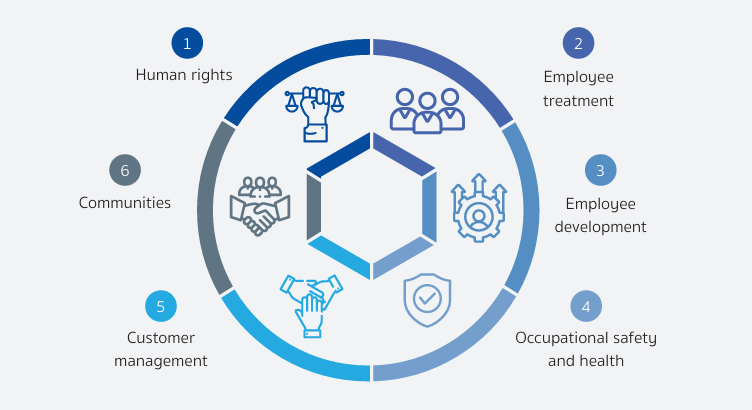
1. Human rights
IRC employees at all levels are treated fairly, equitably, and respectfully based on the fundamental human rights in line with the international principles to achieve the sustainability development goals (SDGs) as well as related laws and regulations in recruitment, performance appraisal, employee potential development, and skill and knowledge training necessary for performing the duties of each job position in order to enhance their potential and support their career advancement through training activities, seminars, and on-site visits with speakers from inside and outside the organization.
IRC has established policies and procedures for employees including employee conduct and other employee treatment practices based on its corporate governance policy that is in line with national and international human rights principles such as the UN Guideline Principles on Business and Human Rights (UNGPs). IRC has signed the UN Women’s Empowerment Principles (WEPs) to recognize gender equality, unleash the potential of all genders, and equally empower all employees to reach their potential, including encourage business partners and suppliers to operate in all aspects of human rights.
2. Employee treatment
To motivate and reward IRC employees, the company provides compensation and benefits to employees at all levels with fairness. All employees are treated and must treat other employees on the basis of equality and fairness that is in line with the human rights principles such as non-discrimination, no forced or child labor, no involvement with human trafficking, and gender equality. Under fair treatment, employees will be appointed, relocated, awarded, or punished based on good-faith considerations that take into account knowledge, abilities and suitability of the employees with comparison with the labor market and taking into consideration the changing living conditions. Moreover, employees will receive special compensation that matches the company’s performance in both short and long terms. Additionally, the company provides opportunities and supports employees in being promoted and developing their abilities by assessing the scope of their positions and responsibilities.
Aside from that, recognizing the importance of mental health care for employees, the company has set up a counseling unit as a channel for listening to employees’ problems, expanding employees’ perspective, and creating understanding of various issues. The company provides a service corner for counseling or HR CLINIC to resolve issues that can affect employees’ quality of life.
3. Employee development
IRC focuses on both employees’ and the company’s success. It is, therefore, the company’s core mission to focus on developing not only employees’ knowledge and skills, but also their attributes so that all employees are a fit to the company’s culture. This begins on the first day that a person becomes a member of IRC, which is the orientation day. New members will experience learning at the Productivity Training and Education Center, covering important aspects of the organization such as safety issues. Given the company’s priority in people, new members must learn about safety through a simulation-based training. New members must be aware of and understand the basic system of machinery as well as avoid any possible hazard at work. The Human Resources Development will follow up and evaluate employee performance (on-the-job training) to assess the readiness of work at the production level and the employee’s performance and ability to adapt to the organization at all levels.
Benefit for the organization: Human resource development will increase productivity and reduce costs as employees become more proficient in the work they do, reducing errors that might occur. As a result, human resource development is one way that enables an organization to keep up with changes and proudly compete with other businesses.
Benefit for employees: When employees are highly productive, more doors of opportunities will be opened for career advancement. Continuous employee development will also reduce the turnover rate of skilled personnel by strengthening the relationship between employees and the organization. As a result, employees are committed and dedicated to achieving the organization’s success.
4. Occupational safety and health
Determined to operate its business with employee safety as a priority, IRC has established the Occupational Safety, Health and Environment Committee following the Ministerial Regulations on the Standard for Administration and Management of Occupational Safety, Health and Environment B.E.2549 (2006). The company has established policies for occupational safety, health, and work environment as a guideline for welfare, safety, and environment by promoting hygiene, safe working environment, and accident prevention, starting from training to educate new employees on workplace safety and supporting activities to raise such awareness among employees.
5. Communities
IRC determined the goal and operated the CSR activities according to sustainable business strategy, and Social Responsibility and Environment Policy. IRC has focused on environmental responsibility and ecosystem conservation, and creating shared value between social and business together. IRC also developed social living by corporate social responsibility activities (Corporate Social Responsibility: CSR). The Board of Director, Executive Committee, and Good Corporate Governance Social Responsibility Committee collaborated to determine the Company’s CSR activities strategy as followed:
‘IRC’ develops work-related knowledge and skills, ensures a good quality of life and well-being, and promotes green culture within the organization. |
‘Activity with the Communities’ to secure a good relationship and to perform environmental activities with stakeholders. |
‘Nation/ Community’ to spur development and help solve the country’s problems through the Company’s strengths. Encourage sharing value for the society and social enterprise. |
‘Global’ the Company deploys an economic, social and environmental framework that responds to sustainable development goals (SDGs) such as global warming fight, a greenhouse gas emission campaign, etc. |
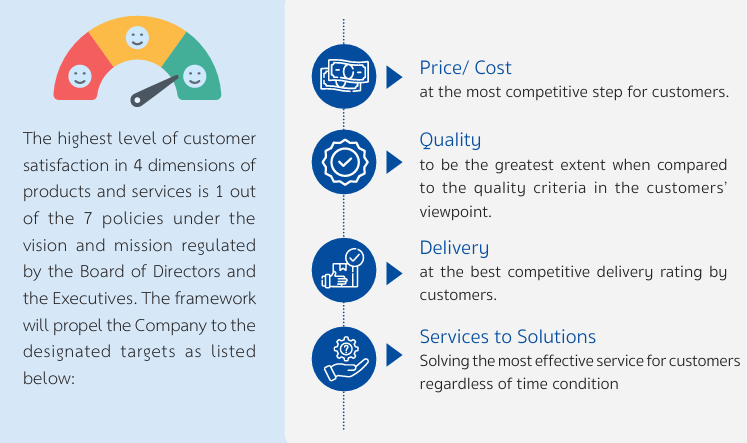
6. Customer management
As per the ‘Good Corporate Governance’ manual, IRC strictly ensures compliance to regulations and practical guidelines. The focus is placed on quality and punctual product delivery, including better than-expected products with fair conditions. The Company provides correct, adequate and timely information about products and service so that clients are equipped with information for making a decision. No exaggeration is given to advertisement and other communication methods as this may result in misunderstanding over quality, quantity and conditions of products or service. Likewise, another key matter is the confidentiality of customers. The Company does not unlawfully use any information for own benefit or related parties. Moreover, the Company caters to the needs of customers rapidly and offers systems and channels in order for customers to effectively complain quality of products and services, survey clients’ satisfaction and conclude information for the purpose of analysis and quality revision and development.
Social Guidelines
| Guideline |
|---|
| Employee Rights |
| Migrant Workers |
| Child Labor |
| Consumer Rights |
| Community and Environment Rights |
| Safety and Occupational Health at Work |
| Non-discrimination |
| Business Partner Rights |
Employees — Plan & Guidelines
Has an Employee Management Plan
Yes
Plan Description
Employee Management in 2025 | |||
Target | Performance | SDGs Goals | |
Human Rights | No complaints regarding human rights issues | No human rights-related complaints were found | Goal 5: Achieve gender equality and empower all women and girls Goal 10: Reduce inequality within and among countries |
Employee Treatment | Turnover rate < 20% | Turnover rate = 9.6% | Goal 1: End poverty in all its forms everywhere Goal 3: Ensure healthy lives and promote well-being for all at all ages Goal 4: Ensure inclusive and equitable quality education and promote lifelong learning opportunities for all Goal 6: Ensure availability and sustainable management of water and sanitation for all |
Employee Development | Average training hours > 25 hours/employee/year | Average training hours = 35 hours/employee/year | Goal 4: Ensure inclusive and equitable quality education and promote lifelong learning opportunities for all Goal 5: Achieve gender equality and empower all women and girls Goal 8: Promote sustained, inclusive and sustainable economic growth, full and productive employment and decent work for all |
Employee Development Training Courses in 2025 | |
Training Courses | Number of participants |
Strengthening the role of supervisors in managing both workflows and human resources. | 198 |
Design Thinking: Solving Problems and Creating Innovation | 68 |
Root Cause Analysis and Problem Solving using the Why-Why Analysis Technique | 62 |
Improving Work Efficiency and Cost Reduction through Kaizen Techniques | 95 |
Zero Defect: The Concept of Zero Defect | 30 |
Rubber Processing: Extrusion and Calendering | 19 |
QCC: Intensive Course on Analytical Tools for Cause Investigation and Proof | 66 |
Wire Cut (Wire EDM) Machine Operation | 10 |
Managerial Psychology and Self-Improvement for Professional Success | 82 |
Ice breaking: Enhances teamwork efficiency | 60 |
Work Procedure Review and Quality Assurance Awareness | 959 |
Generative AI - Copilot for Workforce | 15 |
Effective Communication and Feedback in Performance Management | 64 |
Average annual training hours per employee (by employee level) | |
Level | Average annual training hours |
Manager | 44 |
Chief | 64 |
Foreman | 27 |
Staff | 20 |
Worker/ Skilled Worker | 20 |
Employee Development Target in 2025
We are committed to developing personnel at all levels to possess the knowledge, capabilities, and necessary skills, along with behaviors aligned with our Core Values. Our goal is to ensure our workforce is ready to perform their duties to achieve organizational objectives effectively and efficiently. This includes fostering a readiness for Multi-Skilling to ensure adaptability in the digital era. Our specific targets are:
Personnel at all levels shall be developed in terms of knowledge, skills, and attitudes in accordance with the Competency Framework standards.
Personnel at all levels shall be encouraged to demonstrate behaviors consistent with the organization's Core Values.
Knowledge Management (KM) shall be implemented to transform the company into a Learning Organization.
Safety and Occupational Health
Safety Activities
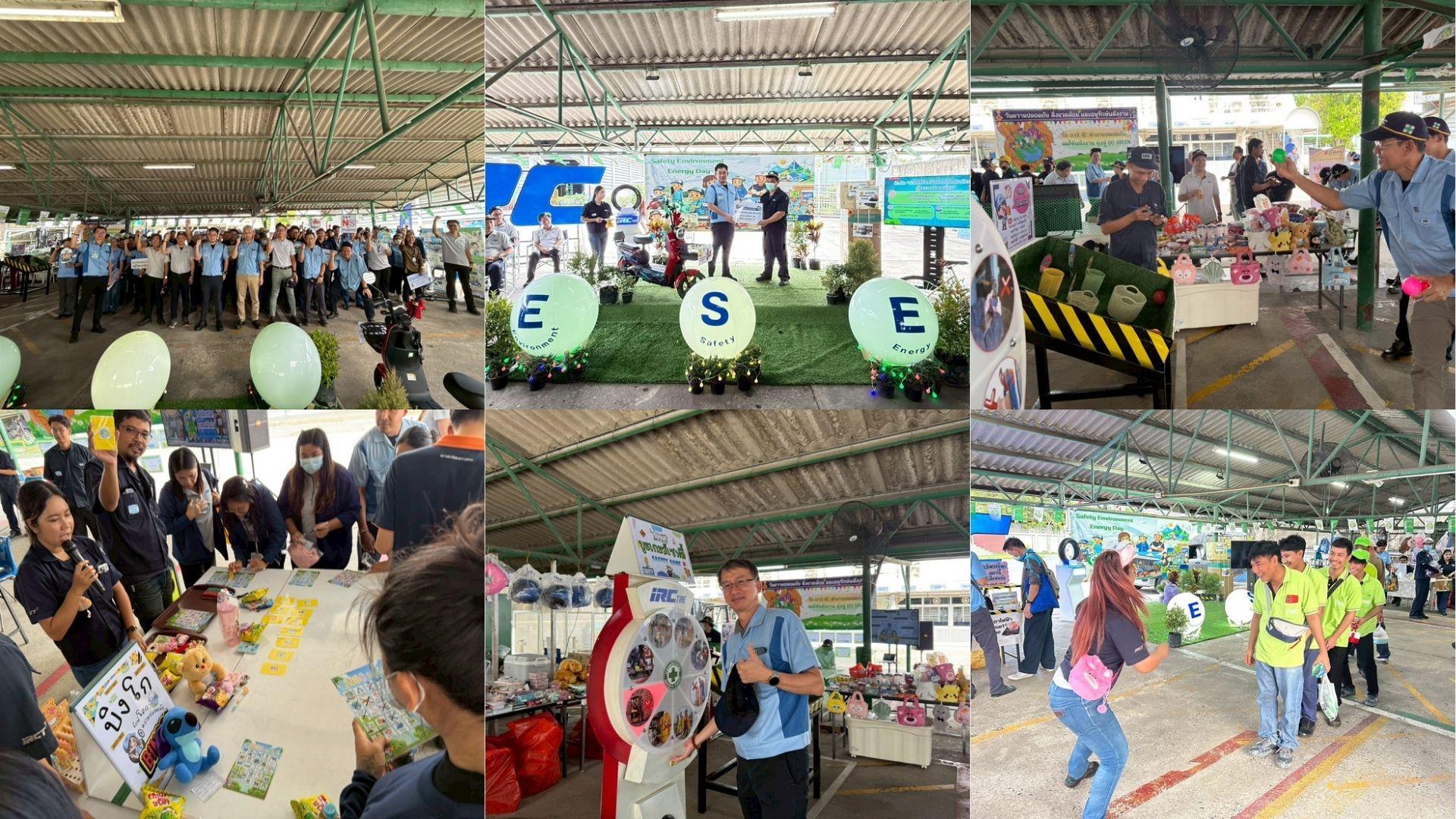
Safety Environment and Energy Day is an educational exhibition organized to raise awareness regarding safety, the environment, and energy conservation. The event focuses on accident prevention awareness through a Safety Slogan Contest, environmental advocacy through an Environmental Slogan Contest, and the promotion of energy conservation knowledge through an Energy Conservation Photo Contest. Additionally, the event features educational displays, interactive game booths for employees, and health-care booths supported by partner hospitals to provide wellness knowledge.
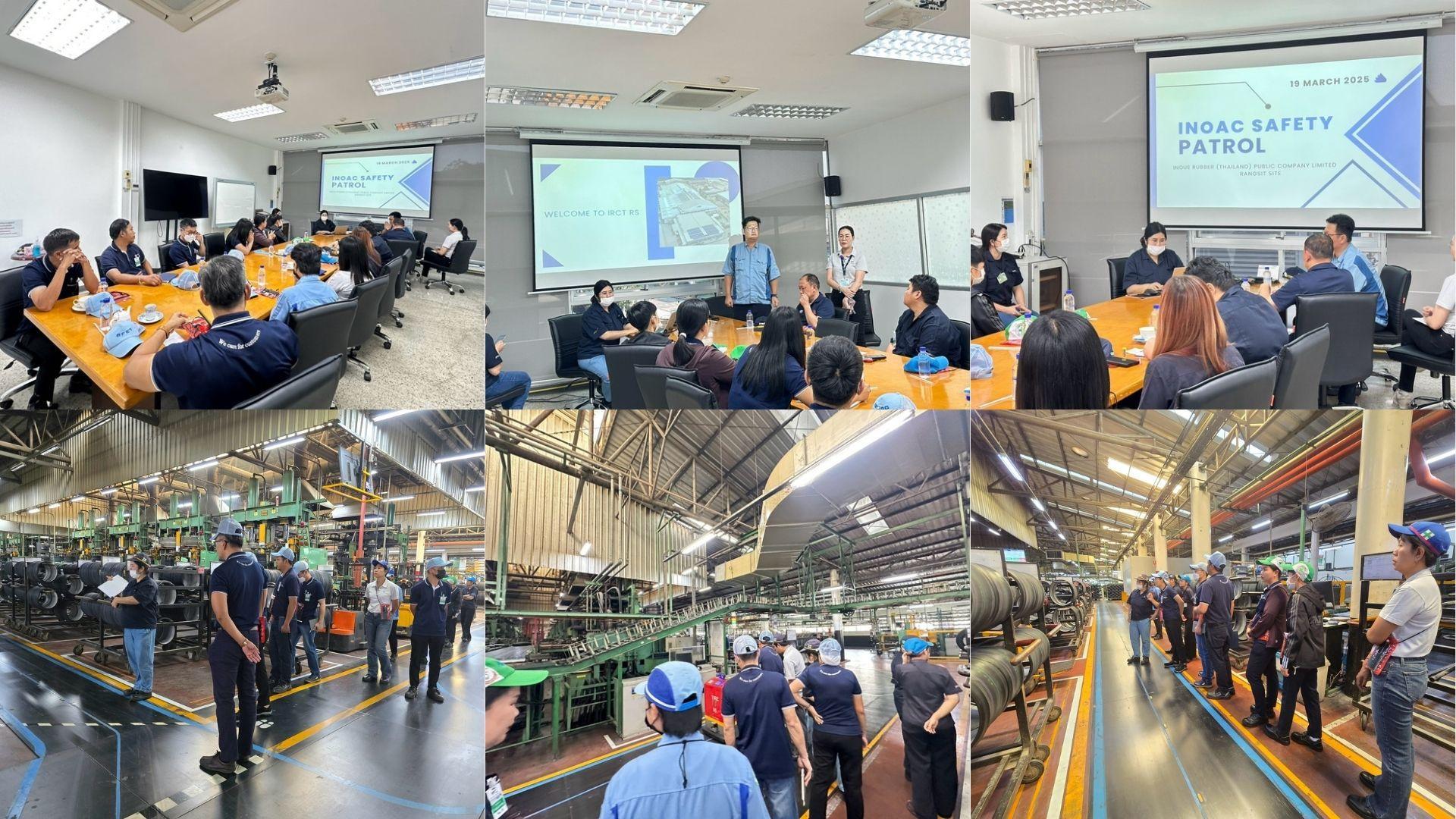
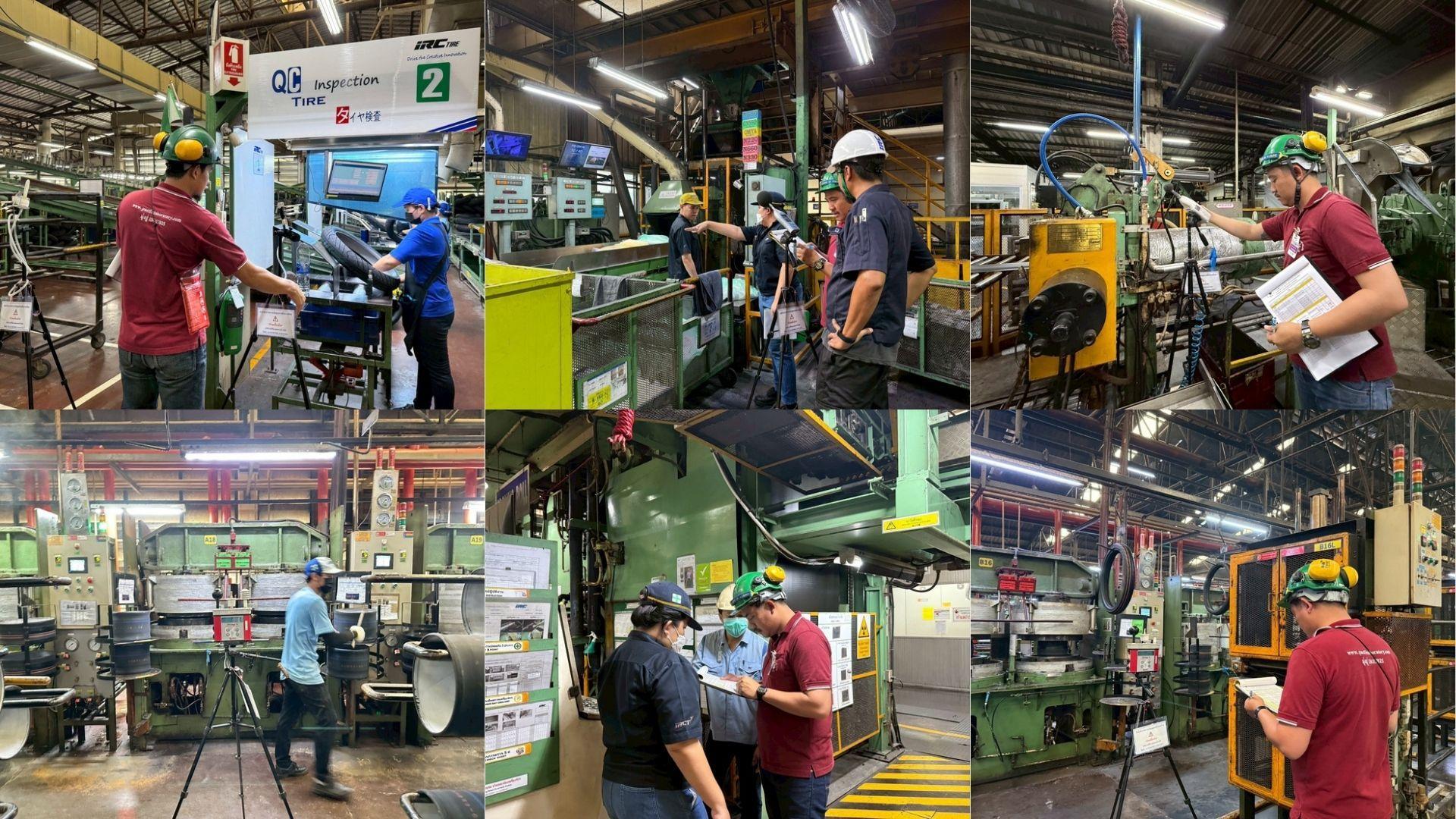
INOAC Group Safety Patrol Safety Audit and Inspection by members of the INOAC GROUP Safety Committee. This initiative aims to facilitate the exchange of best practices in safety management, enhance accident prevention measures, and foster a robust safety culture within the workforce.
Safety Culture The goal is to instill a safety culture within the organization and among external visitors entering the factory. This includes providing knowledge, guidelines, creating awareness campaigns through signage, and having employees pledge to adhere to safety culture. Additionally, the company monitors and measures adherence to the safety culture on a monthly basis.
Safety shop floor management (S-SFM) This is a safety management activity on the shop floor to guide and control work operations safely in the workplace. There are 33 requirements that must be followed, including the establishment of safety experts at levels 1, 2, 3, and 4 (Safety Expertise Levels 1, 2, 3, and 4) in each department. This initiative aims to build knowledge and understanding of Safety Shop Floor Management (S-SFM) activities and ensure proper implementation.
TCC (Toyota Coperation Club) Safety Activity Participating in safety activities as an Assistant Task Force, with the objective of contributing to the safety efforts within the group of Toyota suppliers. The role involves providing knowledge, offering advice, conducting inspections, following up on corrective actions, and evaluating results for four member companies, all under the goal of achieving Zero Accidents.
Risk Management Activity The activities include developing and implementing a Business Continuity Plan (BCP), as well as conducting annual drills and reviews to instill confidence among customers in responding to and handling emergencies. This is aimed at preventing any disruption in business operations.
Occupational environment monitoring Including the assessment of workplace illumination levels, airborne dust, and chemical concentrations, is performed to verify workplace safety and ensure adherence to statutory regulations.
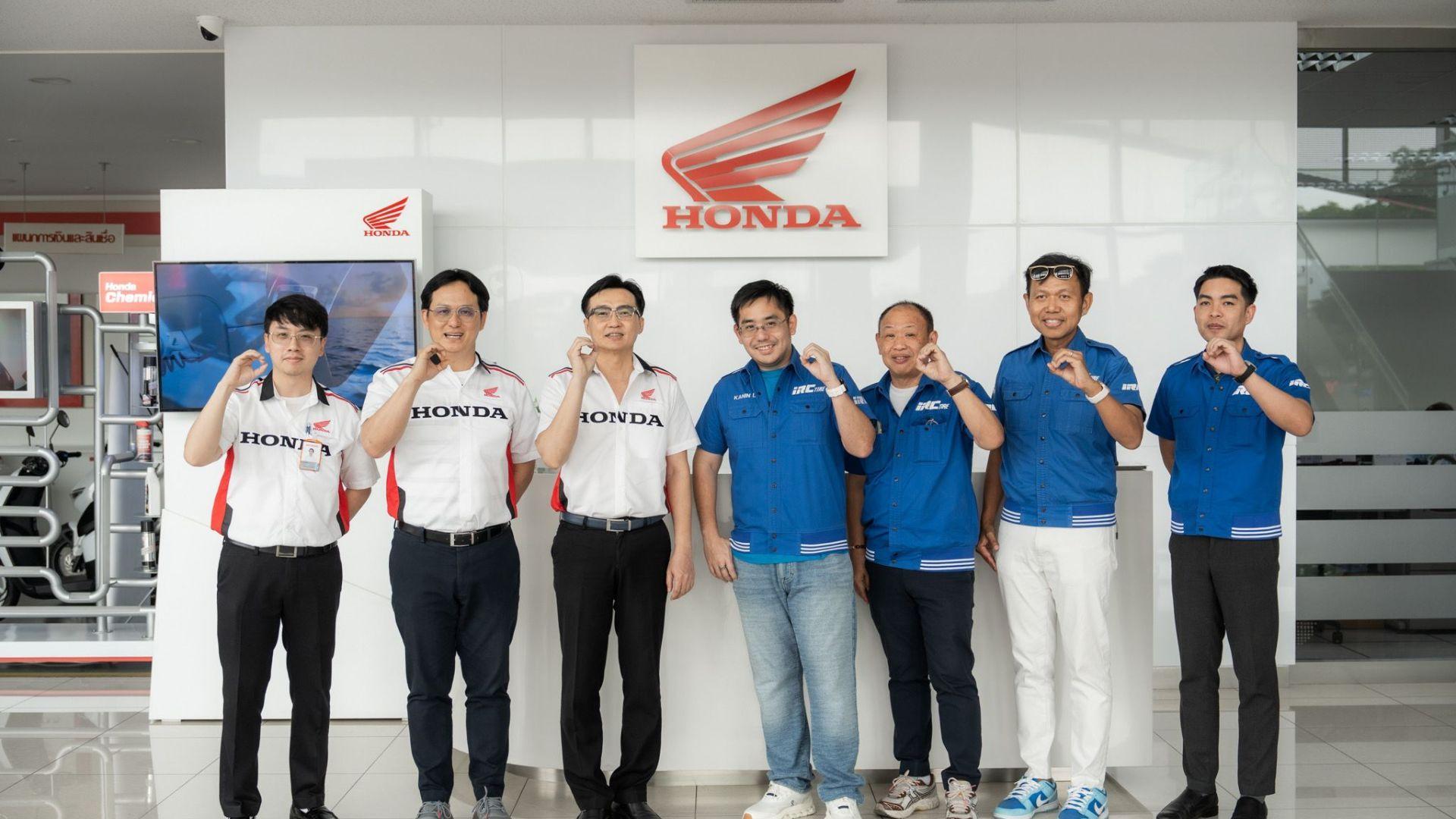
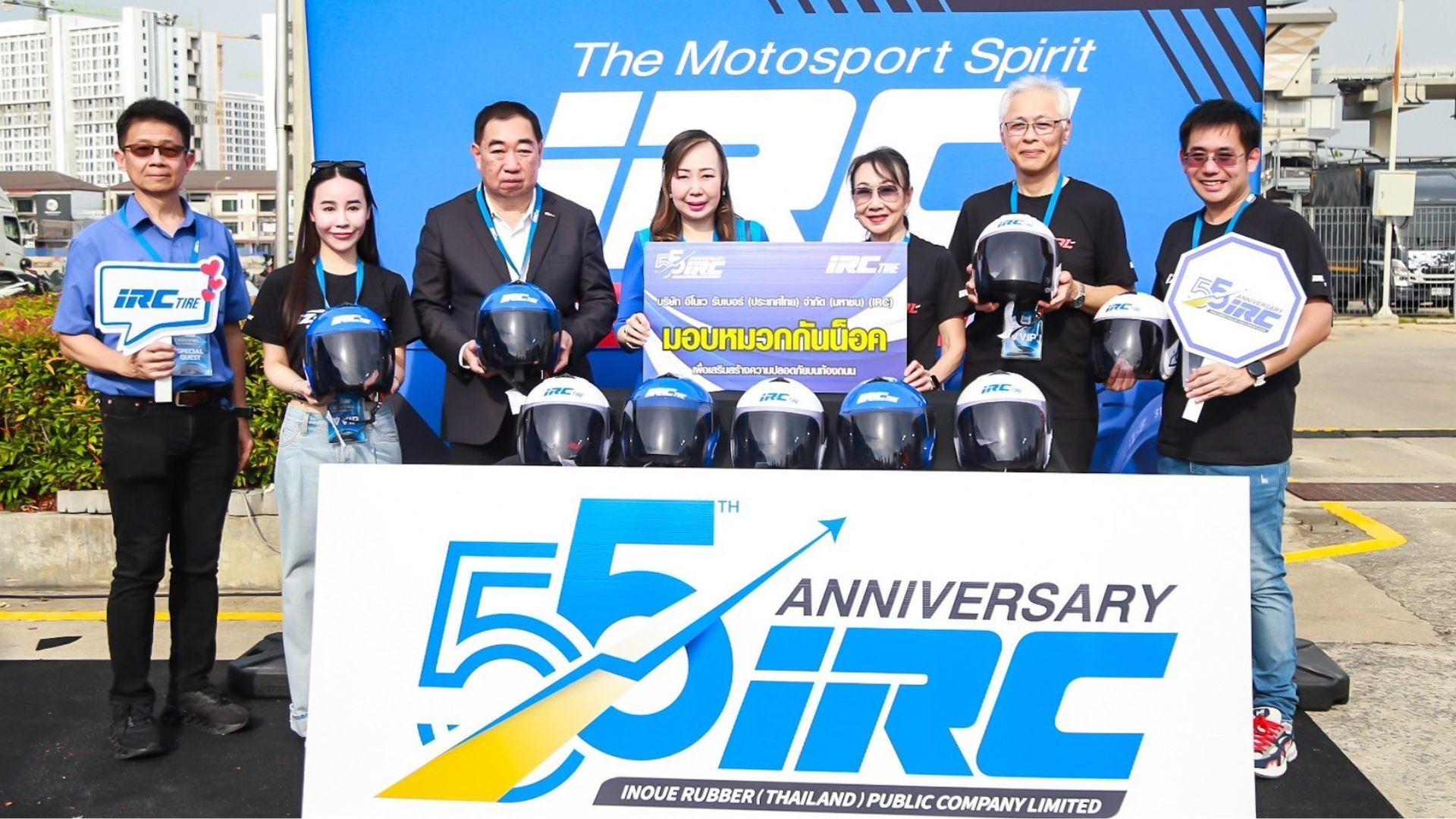
Traffic Safety promotes and supports road safety among employees. This includes providing education on traffic laws and safe driving techniques, encouraging employees to obtain legal driver’s licenses, and advocating for the use of safety helmets. As a result of these efforts, the company was honored with 'The Best Supplier Traffic Safety Award' from Thai Honda
Donating helmets to support public and private sector safe driving initiatives on the occasion of the company’s 55th anniversary.
The campaign activity “Safe Driving during Songkran Festival 2025” was organized during the company’s long holiday break.
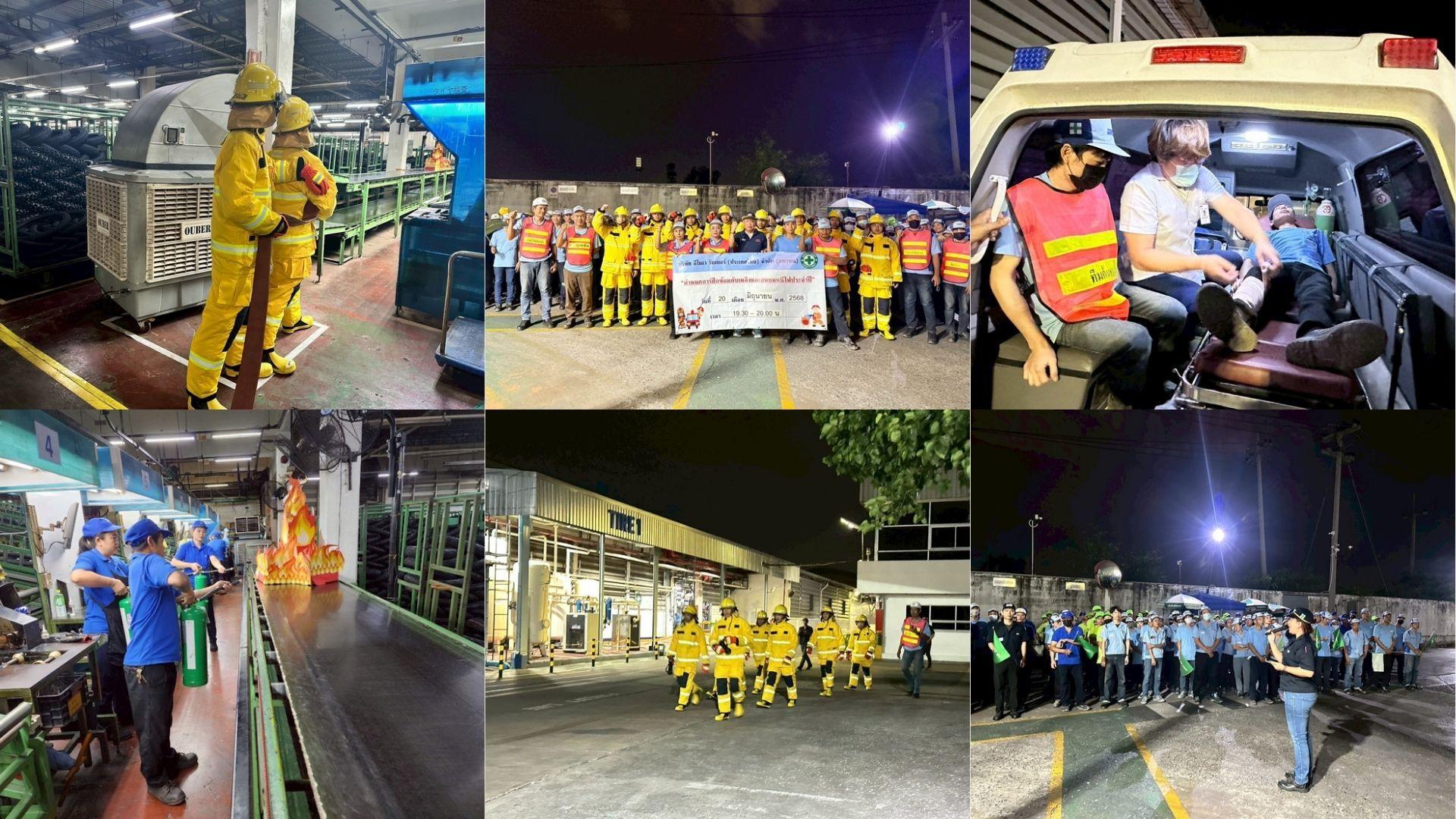
Emergency preparedness IRC consistently prioritizes preparedness for emergencies and crises. Our measures include the regular inspection and maintenance of fire suppression equipment, as well as conducting Live Safety Patrols to verify and ensure the reliability of the company’s emergency management systems.
Annual Fire Evacuation Drills
Annual Emergency Response Drill
Safety Simulation Room Training Based on our safety policy, which emphasizes that safety is the responsibility of every employee, we have established the 'Safety Simulation Room' for refresher training. This initiative aims to enhance safety awareness and train employees in hazard identification and risk prediction during operations. By mastering safe work procedures, our workforce is better equipped to prevent accidents and ensure a secure working environment.
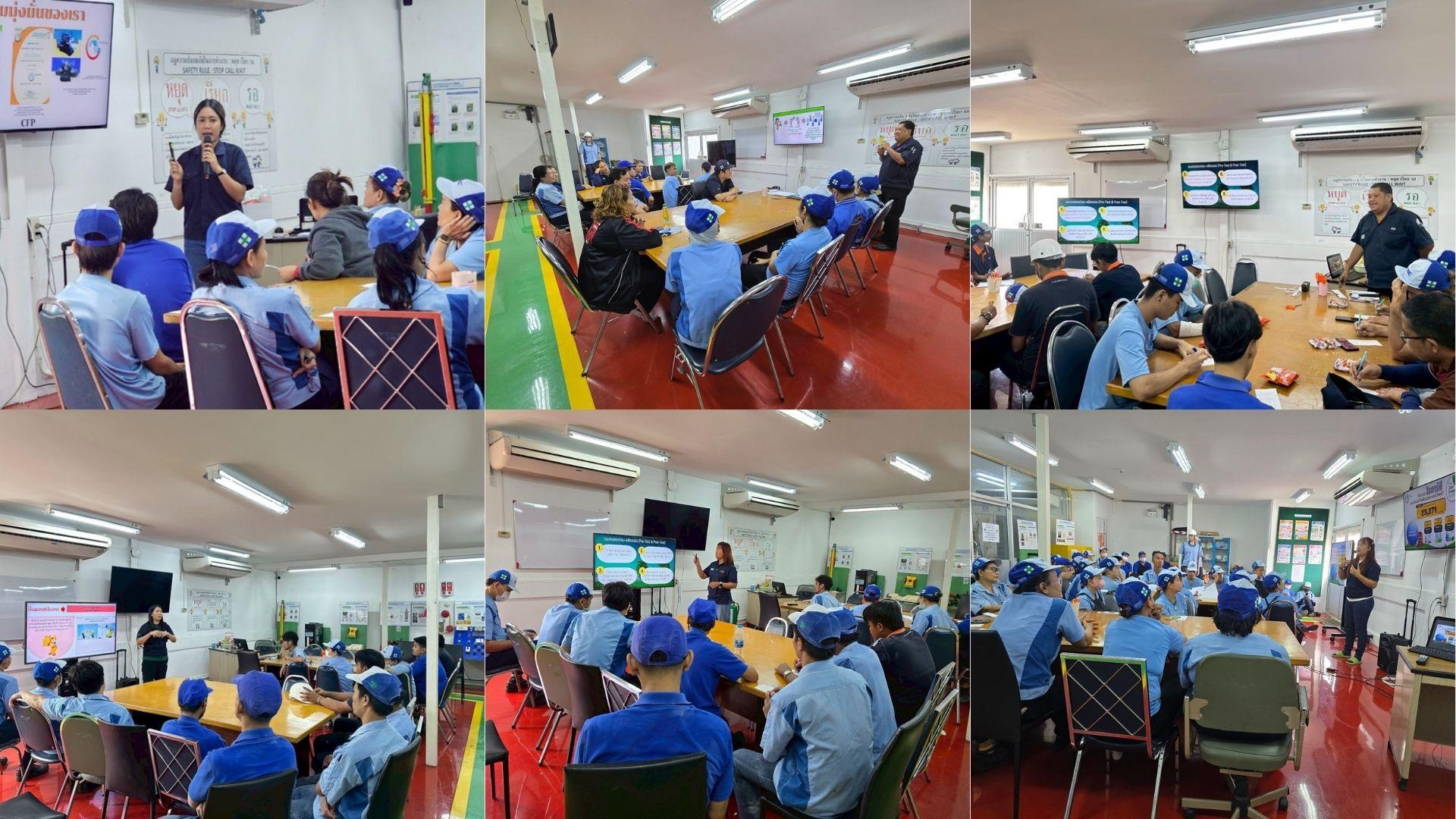
Safety Simulation Room Training for the Manager Focusing on identifying risks and hazards to facilitate further review and managerial-level improvements. |
Safety Simulation Room Training for Chief and Foreman Focusing on the perception of factors that pose hazards to employees, as well as the control and prevention of accidents and disasters. |
Safety Simulation Room Training for worker Focusing on raising awareness regarding workplace accidents, including their causes, impacts, and self-protection methods, as well as basic hazard prediction. |
Accident Accident Rate No fatal accidents |
Company | Occupational illness statistics | Non-fatal accident statistics | Fatal Accident Statistics |
Inoue Rubber (Thailand) PCL. | 0 | 6 | 0 |
IRC (Asia) Research Co., Ltd. | 0 | 2 | 0 |
Kin no Hoshi Engineering Co., Ltd. | 0 | 0 | 0 |
The result of consistently preparing for emergencies and crisis situations has prevented the company from experiencing severe emergencies that could halt production or cause injuries.
Target in 2025
In 2025, the company is committed to reducing workplace accidents by setting a target of zero work stoppages due to accidents.
Plan for 2025
In order to attain our established objectives, the Company is committed to upgrading workplace conditions, with a focus on enhancing the safety of machinery and equipment. Furthermore, we will cultivate a safety-first mindset, empowering employees to prioritize proactive accident prevention in their daily operations.
Plan Areas
| Plan Area |
|---|
| Fair employee compensation |
| Employee training and development |
| Promoting employee relations and participation |
| Migrant/foreign labor |
| Child labor |
| Occupational health and safety in workplace |
Employees — Workforce
Workforce — Introduction
Employee age range | ||
Age range | Employee (person) | Ratio (%) |
Baby Boomer (60-78 Years Old) | 3 | 0.3% |
Gen X (44-59 Years Old) | 501 | 43.5% |
Gen Y (29-43 Years Old) | 528 | 45.9% |
Gen Z (< 28 Years Old) | 119 | 10.3% |
Business Unit | |
Business Unit | Employee (person) |
Administrative and Control Unit | 114 |
Motorcycle Tires and Tubes | 501 |
Industrial Elastomer Parts | 426 |
IRC (Asia) Research Limited | 110 |
Kin no Hoshi Engineering Company | - |
The proportion of employee number in 2025 (as level) | ||
Level | Employee (person) | Ratio (%) |
Workers | 642 | 55.8% |
Foreman | 29 | 2.5% |
Staffs | 191 | 16.6% |
Chiefs | 216 | 18.8% |
Specialists | 15 | 1.3% |
Managers | 53 | 4.6% |
Executives | 5 | 0.4% |
Turnover rate | |||
2565 | 2566 | 2567 | 2568 |
7.9 | 12.5 | 11.1 | 9.6 |
Provident Fund | |
| 1,135 |
Ratio (%) | 98.61% |
Workforce Data
| Metric | Current Year | Previous Year | Two Years Ago |
|---|---|---|---|
| Total number of employees (Persons) | 1,151 | 1,227 | 1,288 |
| Number of male employees (Persons) | 735 | 729 | 827 |
| Number of female employees (Persons) | 416 | 498 | 461 |
| Total employment of disabled persons (people) | 5 | 5 | 5 |
| Total disabled employees (people) | 5 | 5 | 5 |
| Total male disabled employees (people) | 5 | 5 | 5 |
| Total female disabled employees (people) | 0 | 0 | 0 |
| Total disabled workers who are non-employee (people) | 0 | 0 | 0 |
| Contributions to the fund for promoting and improving the quality of life for disabled persons | 0 | 0 | 0 |
| Total number of male employees in operational level (Persons) | 694 | 687 | 782 |
| Total number of male employees in management level (Persons) | 38 | 39 | 43 |
| Total number of male employees in executive level (Persons) | 3 | 3 | 2 |
| Total number of female employees in operational level (Persons) | 399 | 482 | 447 |
| Total number of female employees in management level (Persons) | 15 | 14 | 12 |
| Total number of female employees in executive level (Persons) | 2 | 2 | 2 |
Employees — Remuneration & Provident Fund
Remuneration & Provident Fund
| Metric | Current Year | Previous Year | Two Years Ago | Remark |
|---|---|---|---|---|
| Total disabled employees (people) | 715,541,683.08 | 744,177,918.98 | 753,722,483.17 | Employee compensation includes salary, bonuses, provident fund contributions, social security, etc. |
| Total male employee remuneration (Baht) | 470,568,042.34 | 489,933,620.14 | 494,092,990.17 | |
| Total female employee remuneration (Baht) | 244,973,640.74 | 254,244,298.84 | 259,629,493 | |
| Number of employees eligible to participate in PVD (persons) | 1,151 | 1,227 | 1,288 | |
| Total number of employees joining employee provident fund (Persons) | 1,132 | 1,190 | 1,231 | |
| Percentage of total number of employees joining employee provident fund to total number of employees (%) | 98.35 | 96.98 | 95.57 | |
| Number of PVD members / Total eligible employees (%) | 98.35 | 96.98 | 95.57 | |
| Total amount of provident fund contributed by the Company (Baht) | 1,505,465 | 1,523,163 | 1,515,949 | |
| Total amount of provident fund contributed by employee (baht) | 2,606,982 | 2,545,972 | 2,544,677 |
Employees — Training & Development
Training Data
| Metric | Current Year | Previous Year | Two Years Ago |
|---|---|---|---|
| Average employee training hours (Hours / Person / Year) | 35 | 29 | 30 |
| Employee development and training expenses (baht) | 3,023,120.59 | 3,523,179.5 | 2,418,396.74 |
Employees — Occupational Health & Safety
Occupational Health & Safety Data
| Metric | Current Year | Previous Year | Two Years Ago |
|---|---|---|---|
| Total number of lost time injury incidents by employees (Cases) | 2 | 2 | 2 |
Employees — Labour Relations
Labour Relations Data
| Metric | Current Year | Previous Year | Two Years Ago |
|---|---|---|---|
| Total voluntary resignations (Persons) | 110 | 135 | 161 |
| Male employees who voluntary resigned (Persons) | 82 | 93 | 111 |
| Female employees who voluntary resigned (Persons) | 28 | 42 | 50 |
| Percentage of employee turnover leaving the Company voluntarily (%) | 9.56 | 11 | 12.5 |
| Evaluation result of employee engagement | 1 | 1 | 1 |
Employees — Employee Representation
Employees Are Represented Collectively
Yes
Forms of Representation
| Form |
|---|
| Labor union |
| Employee committee |
Employees — Targets
Has Set Employee Targets
No
Employees — Performance & Outcomes
Has Performance Results
Yes
Performance Description
Employee treatment and Human Rights
Labor Rights
IRC therefore encourages our employees to form ‘LaborUnion’, which is a group legally established to represent the overall employees in overseeing the employment conditions as well as employee benefits and welfares and at the same time collaborate with the Company in providing good and healthy working conditions through holding regular consultancy meetings between the executives and the Labor Union. The Company has also appointed Employees Committee to act as employee representative and of which its members consist of directors appointed by the Labor Union and election to consult with representatives who are senior management in ensuring that appropriate welfare and benefits are provided to IRC employees.
Monetary Welfare
Apart from the benefits which all employees are directly entitled to, IRC also cares for the family members of its employees by providing monetary benefits for various occasions such as the death of father, mother, spouse or children of the employees, including maternity and marriage allowances.
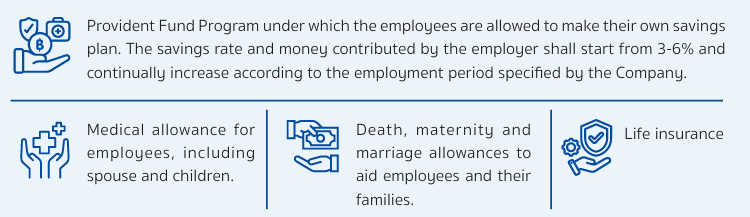
Healthcare Welfare Life insurance
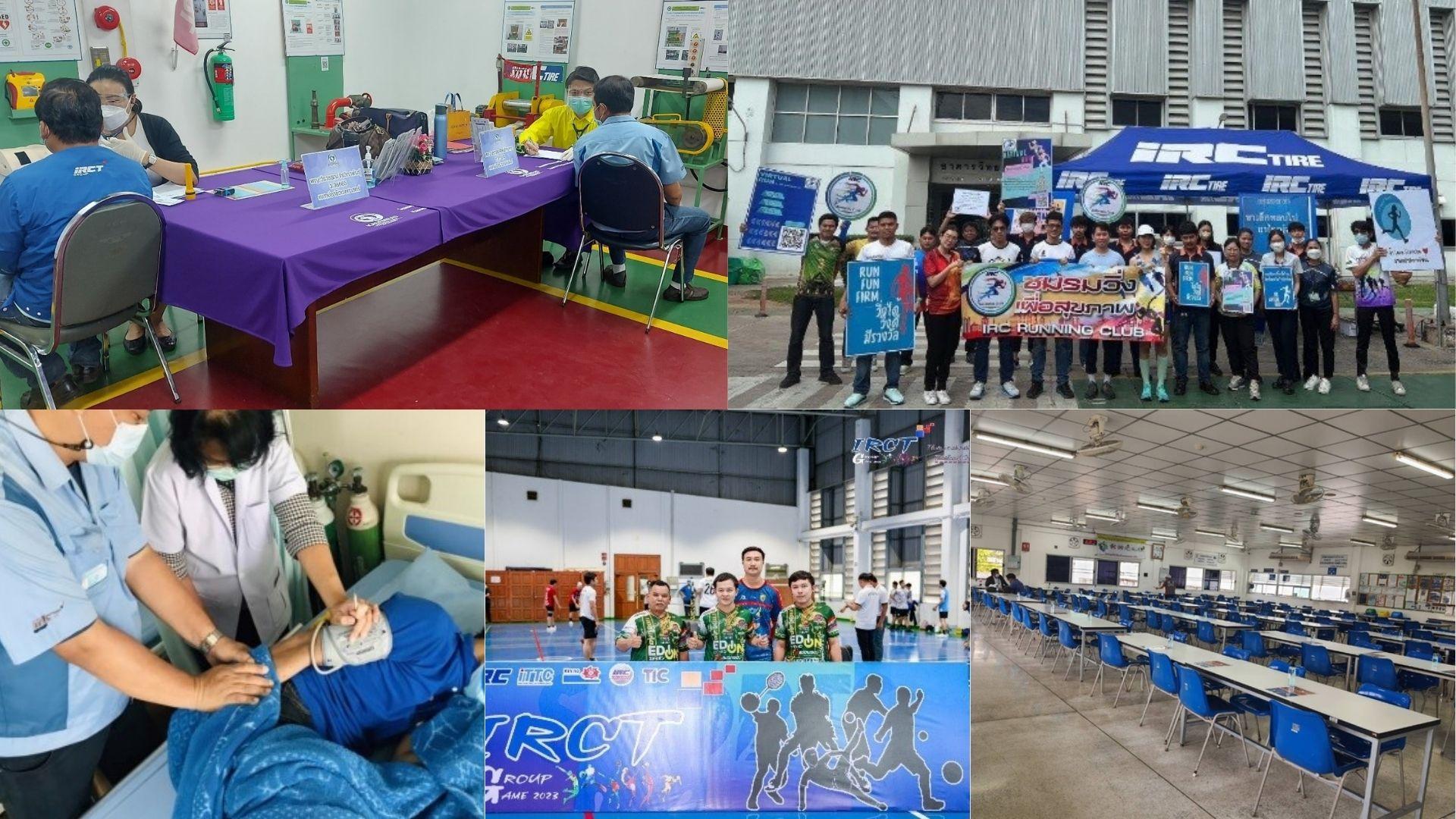
IRC recognizes the importance of having good physical and mental health and have therefore arranged the following health-related welfares including:
Annual health check
Health and Medical Center with specialized physicians to give medical service and advice to employees
Sport Day activity
Gym and fitness center
Clean and hygienic cafeteria that serves foods at affordable price
Other Employee Welfares
IRC offers uniforms and safety shoes for staff every year
Transportation service
Recreational and Internet Centers
Special privilege in buying IRC products
Special activities such as Thank you party
Employee Care
IRC emphasizes personnel along with promoting activities and taking care of good welfare all the time, for 2024 Target, the Company focuses on the importance of supervising, advising and listening to employees about work and life to create happiness in living together in IRC society.
Employee Satisfaction Evaluation
The Company conducts an employee satisfaction survey annually. The goal is to assess employee satisfaction towards their work as well as their engagement with the organization. In addition, use the evaluation results to help the organization to develop its employee management system, learning and motivating, as well as creating employee satisfaction and well-being.
Satisfaction Evaluation Results | Employee Turnover Rate |
Employee Satisfaction Assessment Results for the Overall picture 92% | Employee Turnover Rate 9.6% |
Customers — Plan & Guidelines
Has a Customer Management Plan
Yes
Plan Description
Customer Relationship Management
IRC gives great importance to customer relationship management as part of pushing the Company to operate the business in a sustainable manner. IRC focuses on the importance of its customers, as well as the quality of products and services that are being delivered to customers, which must possess the required standards, with punctuality and customer satisfaction, which are all in accordance with the Company’s quality policy.
Reliable quality is one of the strategies that IRC adheres to, to build customer confidence as IRC’s business involves mass production and a race against time. As our customers are corporate customers (Business to Business: B2B) who expect confidence in the Company’s operational standards and product quality control, IRC therefore places great importance on and supports quality assurance units.
The identification of essential issues and concern
IRC has done research and prepared to support the manufacture of rubber parts for electric vehicles (EV car) in the future. As well, IRC executes new product innovation development to meet the needs of other booming industrial markets.
The Company has set a zero claim target and operated a follow-up report on claimed products on a monthly basis. Furthermore, the Company is certified by institutions such as ISO 9001: 2015, ISO 14001: 2015 and ISO/IEC 17025, and these build customers’ trust. IRC has formulated the regulations on the restriction of hazardous substances 2: RoHS2 *, which came into effect in 2019. And the IRC now manages to fulfill the control standard.
Giving great importance to the safety and health of customers.
The Company gives great attention to the safety and health of consumers, and therefore, focuses on developing quality products on a continuous basis, from the product design process, procurement of raw materials, transportation, and after-sales services, as it believes that quality products will contrib ute towards the consumers’ well-being.
Customer Confidentiality
The Company is fully aware of the importance of protecting customers’ personal information that has been collected, consolidated, used, disclosed, and the transfer of information for use in receiving services and purchasing products. The Company is committed to being responsible and providing full protection of the personal information of all stakeholders, namely shareholders, employees, customers, business partners, by stating the personal information protection policy on the Company’s website in order to ensure that the Company operates in accordance with the law for the best interests of its stakeholders.
Development of products and services that are considered as safe for the product users’ health and safety
The Company pays great attention to the health of its customers and consumers, starting from product design, procurement of raw materials, production, and services, in order to deliver quality products that are considered safe for users, as well as products that are environmentally friendly.
Customer Satisfaction Survey
IRC conducts customer satisfaction surveys on an annual basis in the 3 key categories: product quality, logistics and service. The survey can be classified into 5 chief items as shown below:
1. Satisfaction in quality level and product quality development.
2. Satisfaction in product.
3. Satisfaction in product design and product level as opposed to competitors.
4. Satisfaction in delivering products, punctuality, accurate product’s amount and shipping documents, packaging standard and staff coordination.
5. Satisfaction in service and communication, completeness and accuracy of product order, coordination and after-sale service.
Plan Areas
| Plan Area |
|---|
| Responsible production and services for customers |
| Communication of product and service impacts to customers/consumers |
| Development of customer satisfaction and customer relationship |
| Protection of customer personal information |
Customers — Satisfaction Results
Customer Satisfaction Results
| Metric | Current Year | Previous Year | Two Years Ago |
|---|---|---|---|
| Evaluation results of customer satisfaction | 1 | 1 | 1 |
Customers — Targets
Has Set Customer Targets
Yes
Targets
| Indicator | Target Areas | Target Year | Target Year — Description |
|---|---|---|---|
| Customer's Satisfaction | 3009 · Description: Development of customer satisfaction and customer relationship | 2,025 | Customer's Satisfaction score 100% |
Customers — Performance & Outcomes
Has Performance Results
Yes
Performance Description
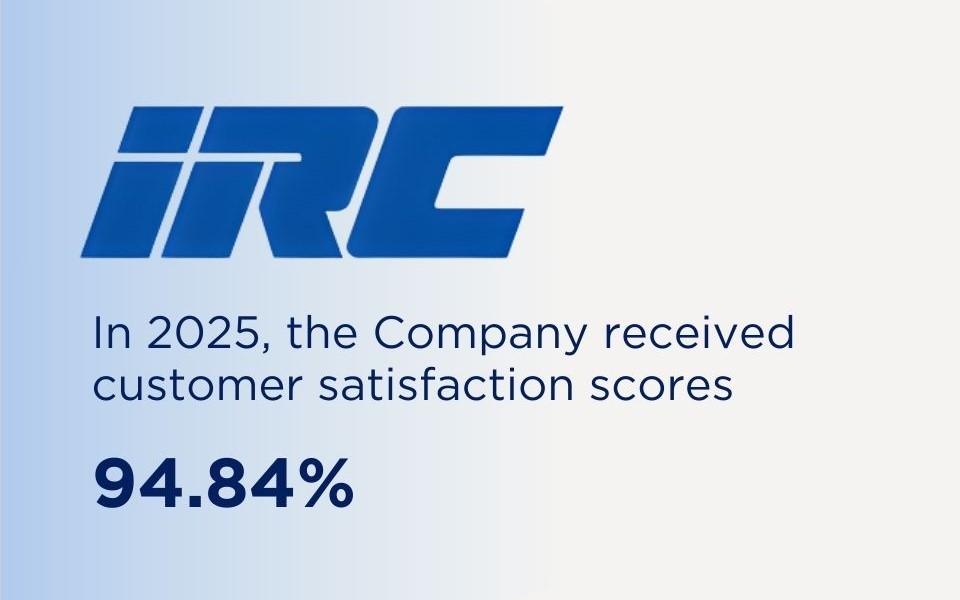
Customer Relationship Management
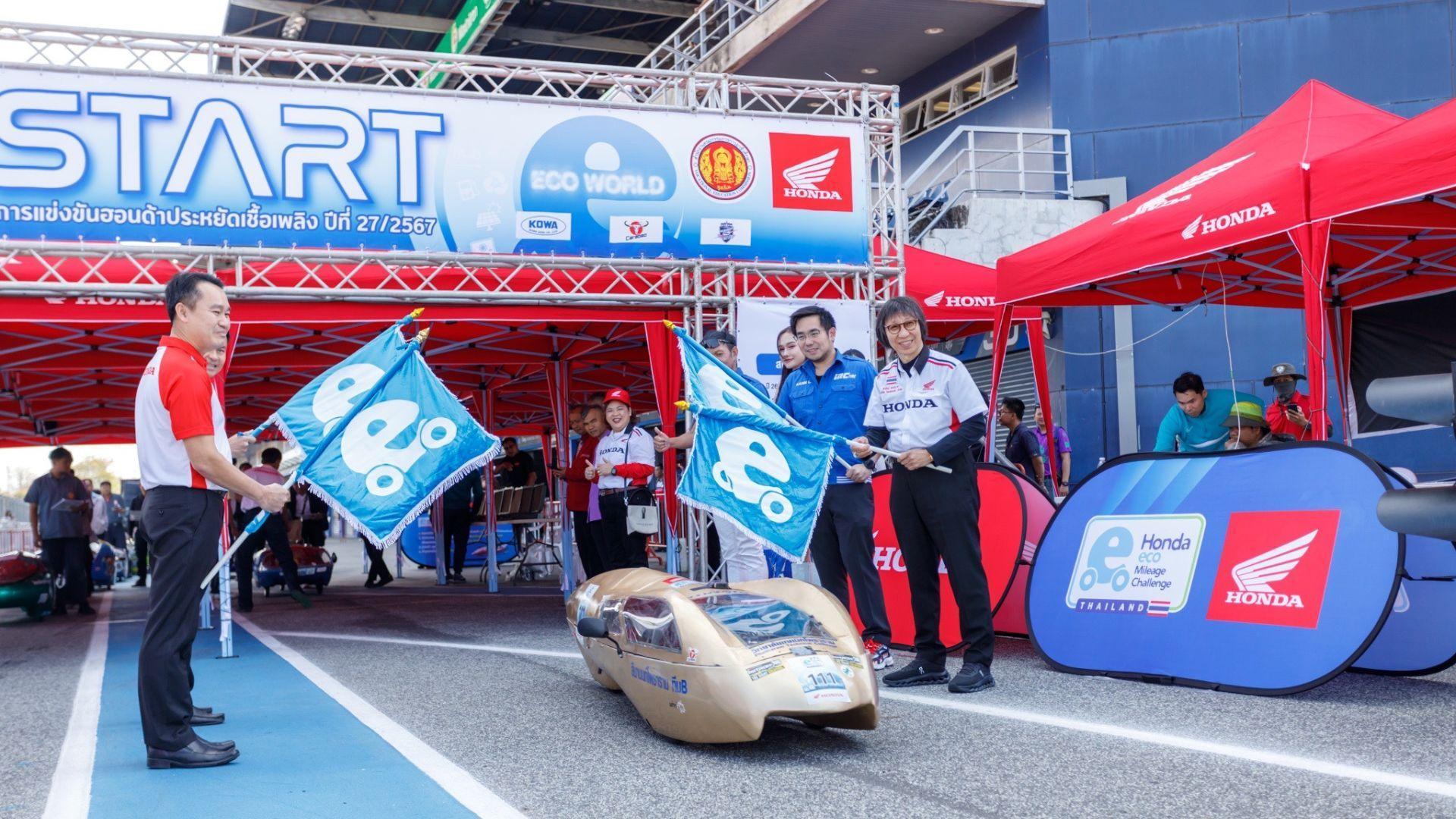
During the past fiscal year, the company has actively participated in various activities alongside customers focusing on promoting safety, improving the quality of life in the community, and enhancing knowledge and understanding of the company’s products. The key activities are as follows:
Honda Academy
Honda Eco Mileage Challenge
YAMAHA MOTO CHALLENGE
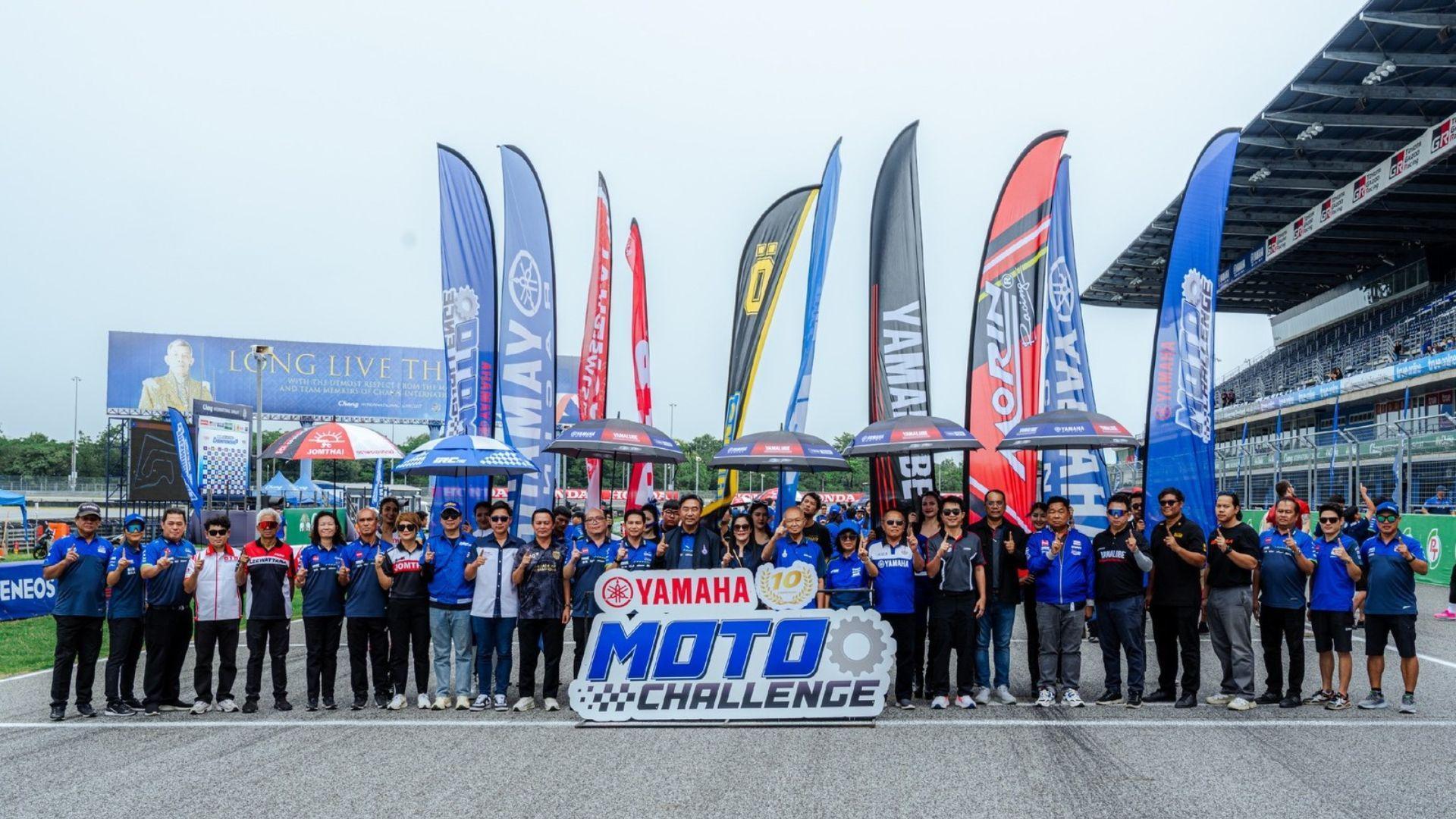
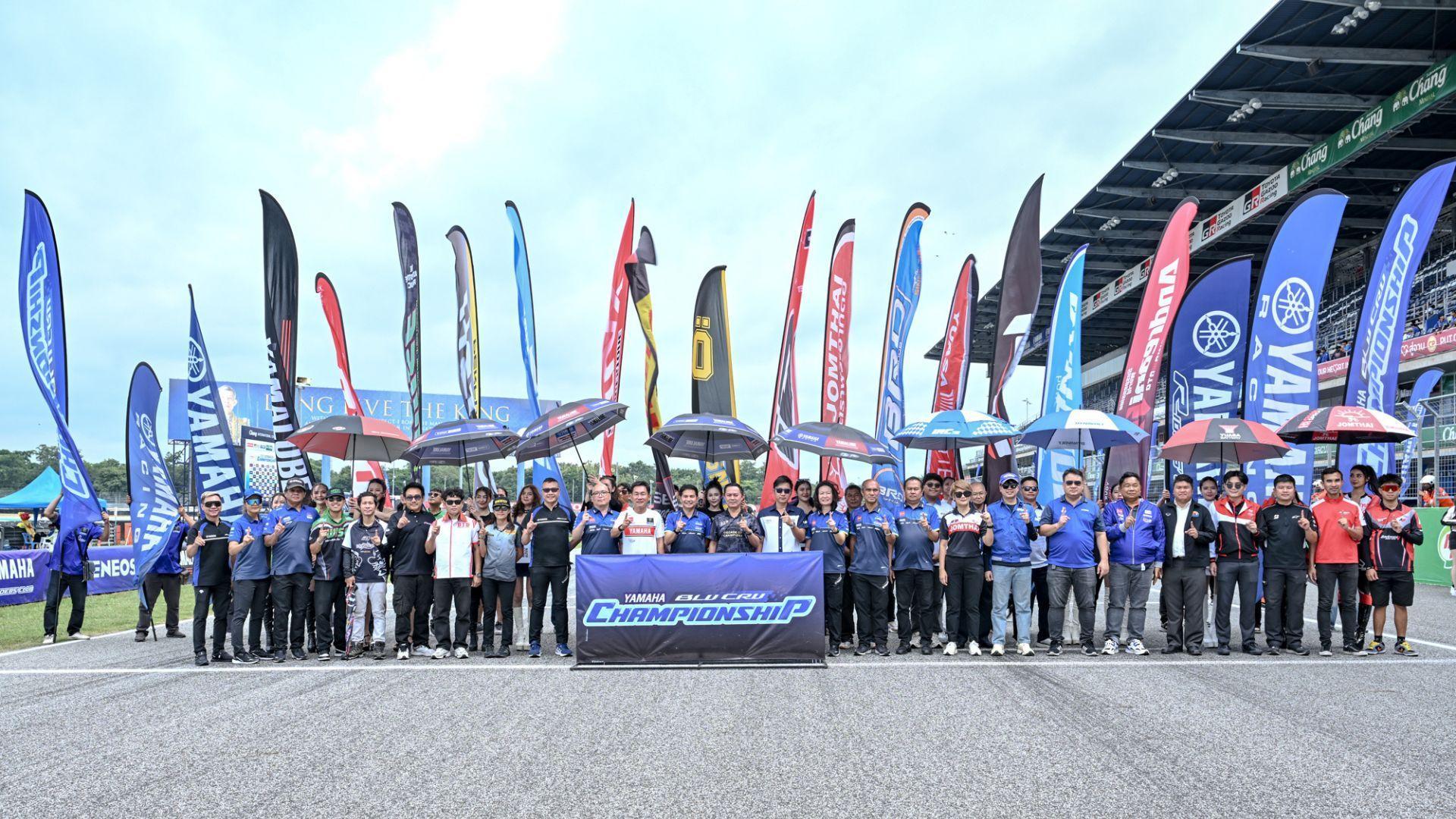
YAMAHA CHAMPIONSHIP
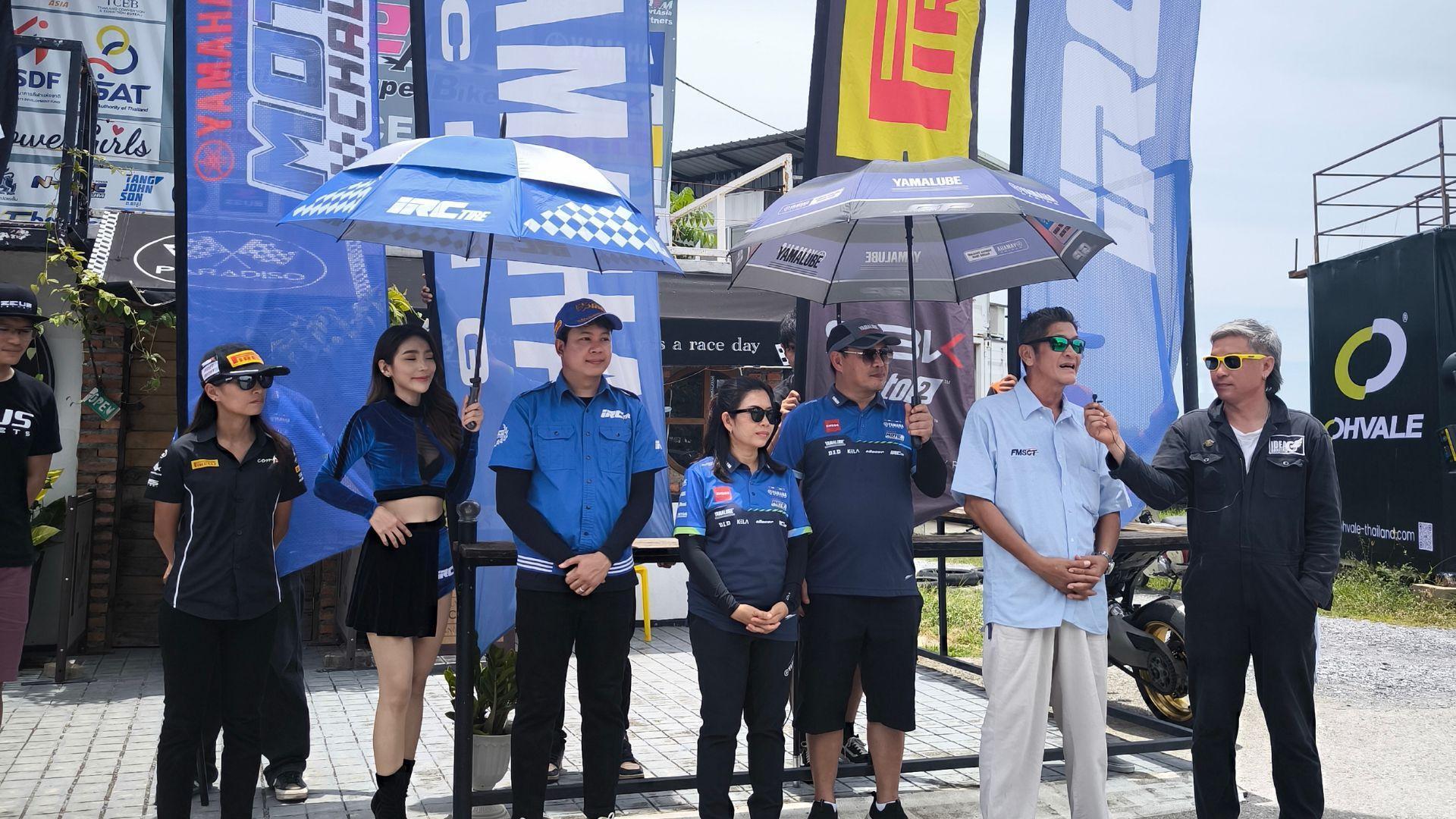
R2M Thailand Superbike
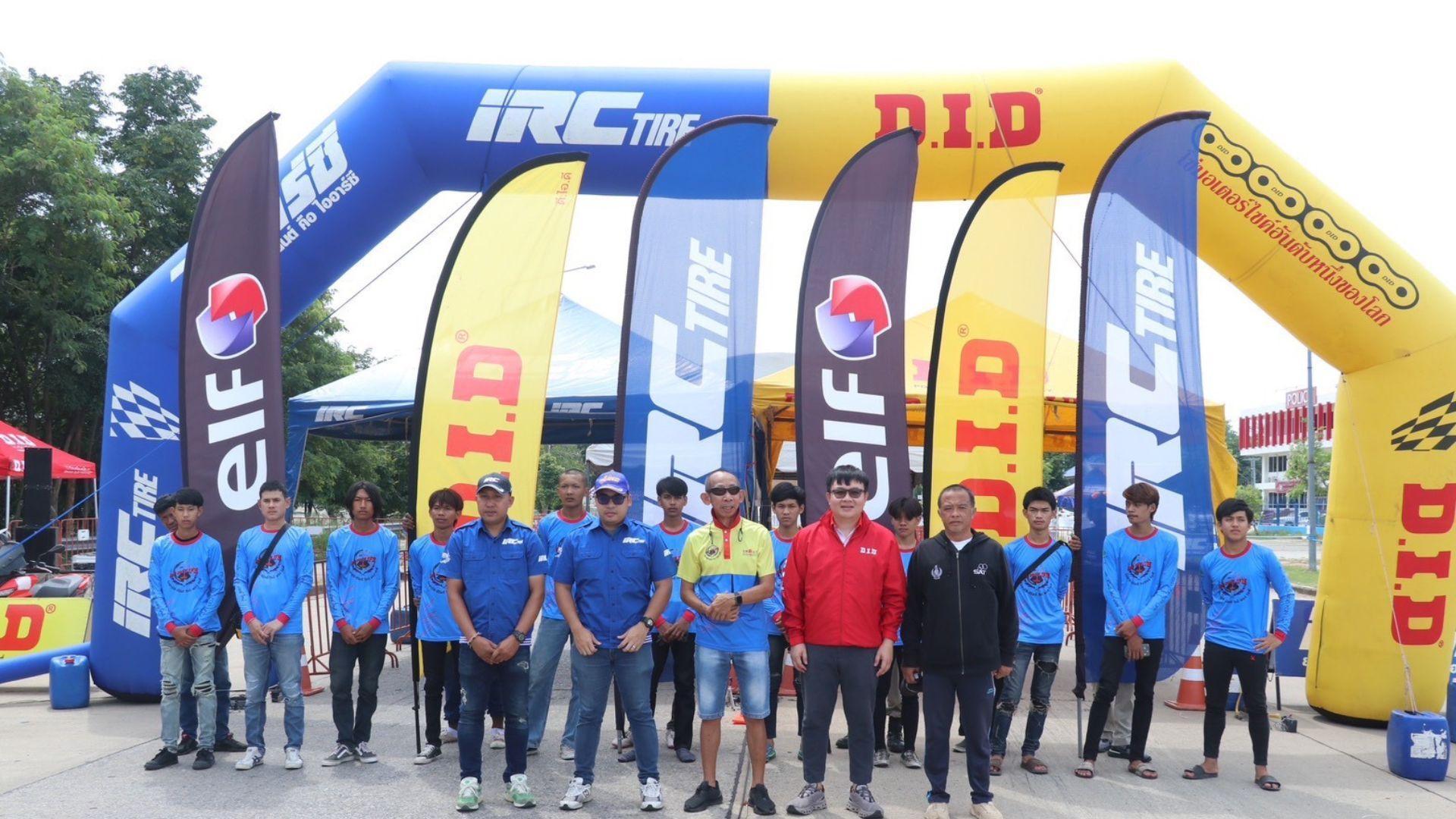
IRC-DID RIDE FOR LIFE
Plan-B Media BRIC Superbike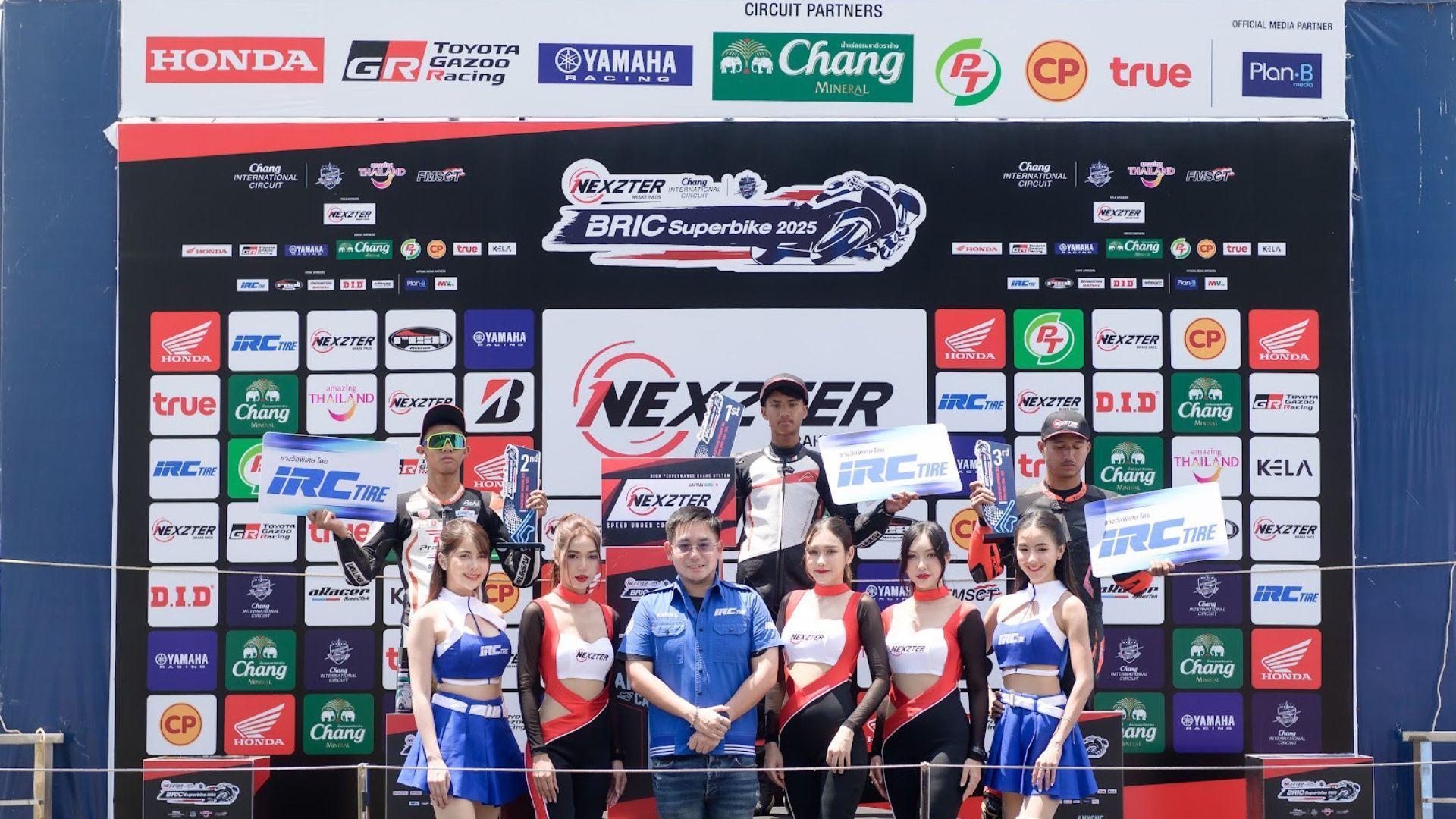
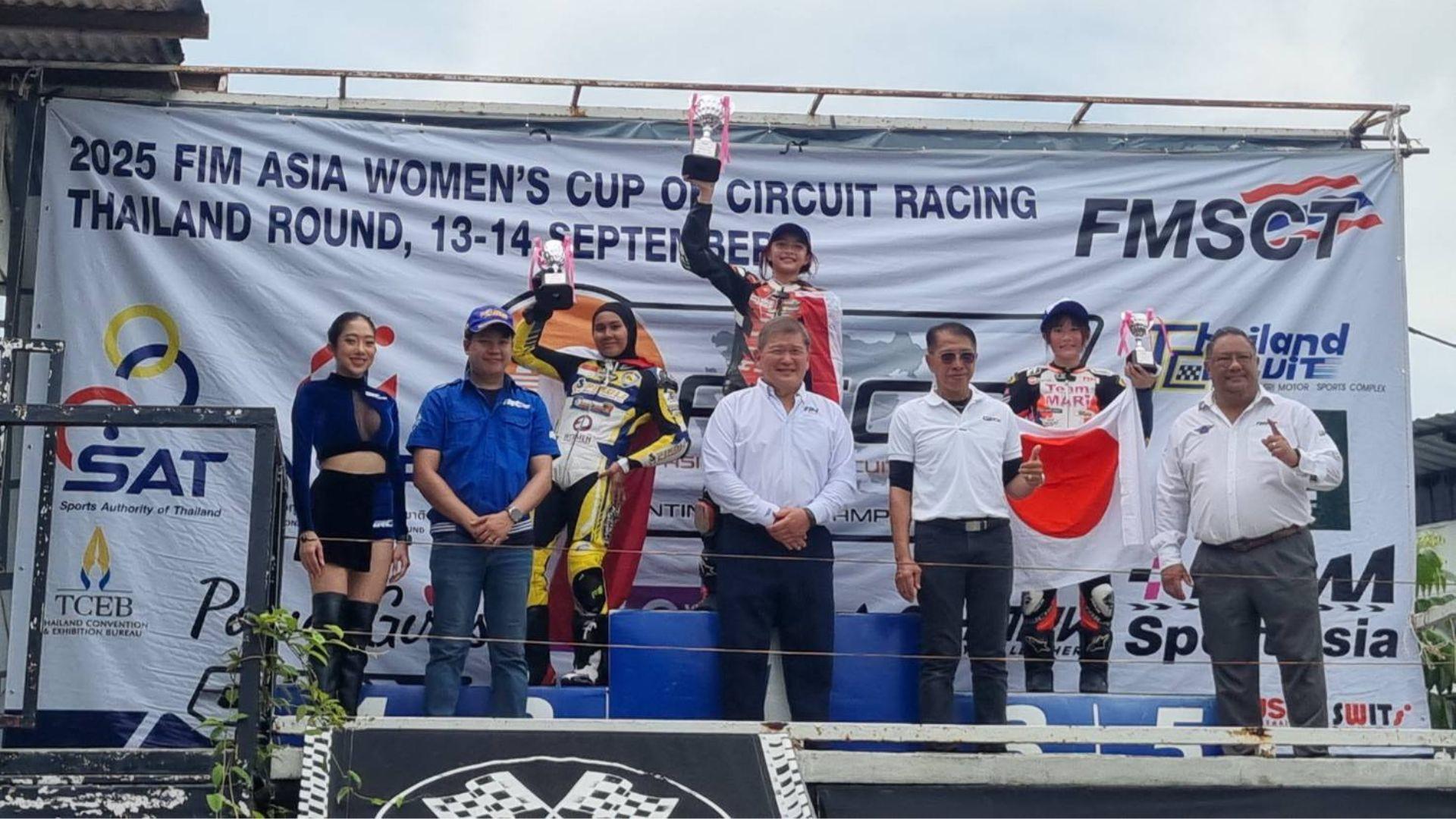
FMSCT Road Racing & MotoCross
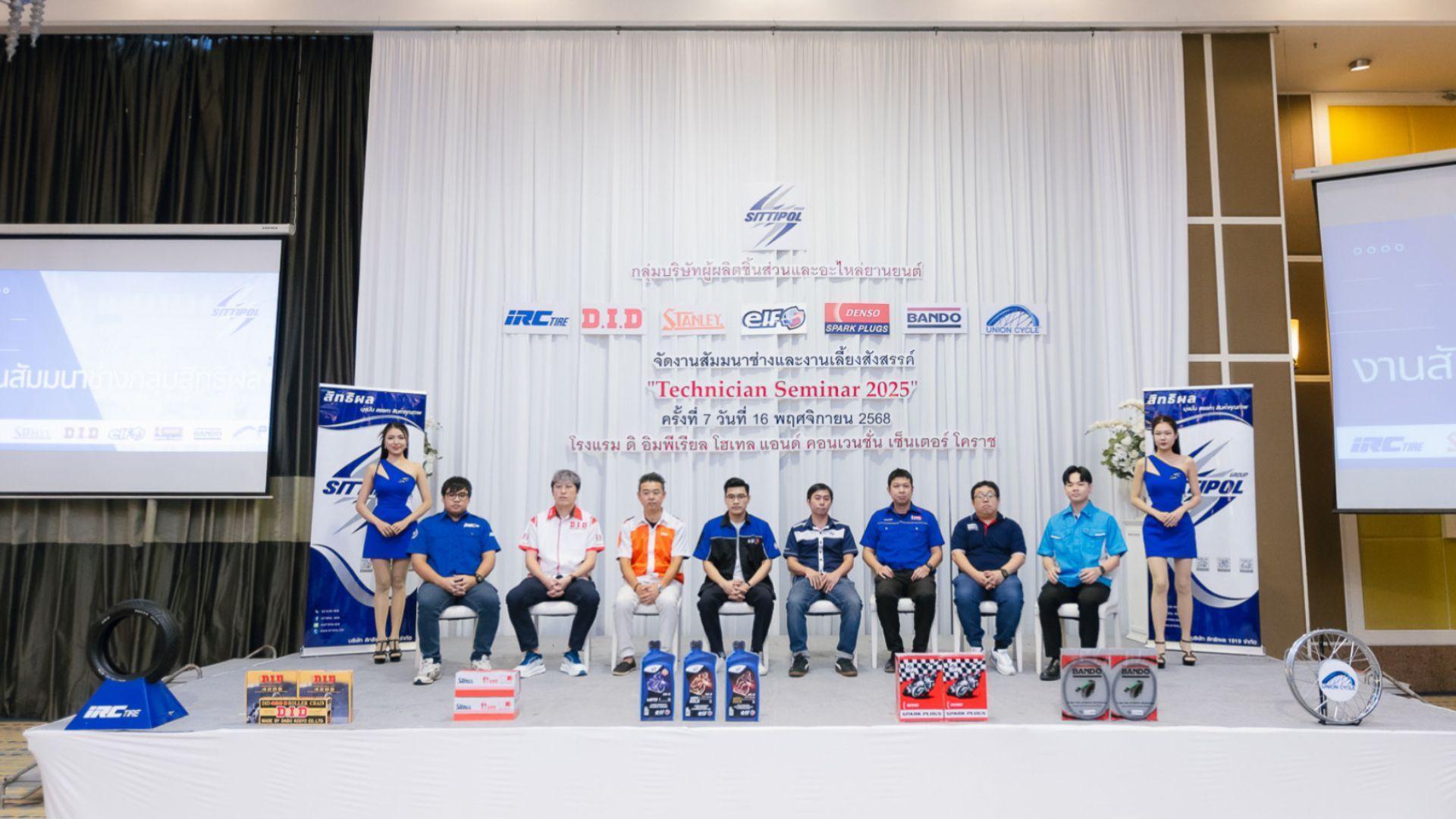
Sittipol Technician Seminar
Community & Social — Plan & Guidelines
Has a Community & Social Plan
Yes
Plan Description
Corporate Social Responsibility
SUPPLY CHAIN DEVELOPMENT
1. To foster the competitiveness of IRCT-Supply Chains (15 SMEs)2. To create corporate shared value by enhancing the competitiveness of SME in Thailand 3. To improve efficiency, reduce cost and waste in the production process 4. To guarantee delivery on schedule with the required quality.
HAI ACHEEP HAI CHEEVIT
Provide training to wardens so that they can train inmates in order to provide quality labor to the Thai industry when they are released.
KLONG PANG MODEL
1. To directly upgrade the NR production of the community (the cooperative) to the rubber industrial level; 2. To improve the rubber trading cycle from farmers to business sector ( Avoid the middleman issue); 3. To support the development of productivity, quality and standards, and also create pride towards the cooperative's products that become the finished products 4. To support the Klong Pang Cooperative to have a Sustainable Forest Management: SFM and to meet the requirement of the certification of the Thailand Forest Certification Council: TFCC. The certification identify that the products from Klong Pang come from the sustainable source.
SAFE RIDE
1. To raise safety awareness on the motorcycle safe riding. 2. To encourage the personal safety of motorcycle drivers and to reduce road accident.
SAFE DRIVE CAMPAIGN DURING LONG HOLIDAY
1. To raise safety awareness on the safe driving during the long holidays 2. To promote no accident campaign and reduce road accident
ENVIRONMENT
To achieve the Green Industry at Level 5
Activity with the communities
Build the relationship with nearby communities, government offices and hearing the concern matter from stakeholders.
55 Years IRCs Donated 15,000 helmets to help reduce the severity of accidents and address the shortage of helmets in the country. This initiative aims to improve accessibility to helmets for riders by distributing them to relevant organizations such as Ministry of Transport, Ministry of Education and others.
Plan Areas
| Plan Area |
|---|
| Employment and professional skill development |
| Education |
| Religion and culture |
| Forests and natural resources |
| Sports and recreation |
| Occupational health, safety, health, and quality of life |
| Disadvantaged and vulnerable groups |
| Water and sanitation management |
| Reducing inequality and promoting social equality |
Community & Social — Targets
Has Set Community & Social Targets
No
Community & Social — Performance & Outcomes
Has Performance Results
Yes
Performance Description
Project
Annual audits and training sessions are conducted to develop subcontractors, ensuring they are fully prepared to meet customer audit requirements.

Organizing the 'HAI ACHEEP HAI CHEEVIT' Project: A vocational training course on rubber part cutting skills.
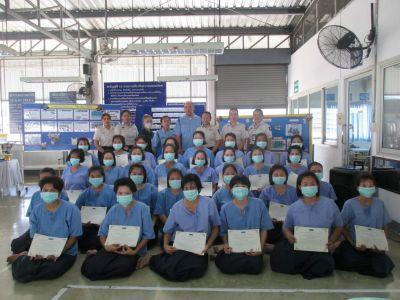
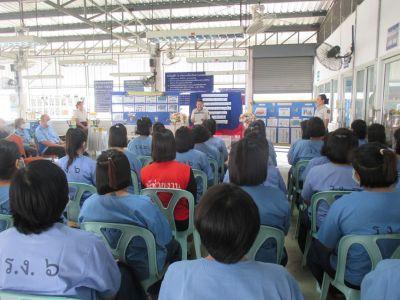
Providing funds for food and beverages, as well as renovating the Special Correctional Rehabilitation Center buildings and vocational training workshops.
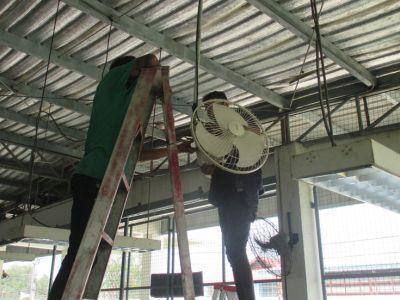
Supporting employees in attending training to obtain driver’s licenses.
Road safety campaigns during festive seasons in collaboration with the Department of Disaster Prevention and Mitigation
Partnering with the Highway Police and the Department of Highways to install safe driving campaign signage and distribute drinking water to travelers.
Campaign activities for the prevention and control of PM 2.5 air quality, including the cleaning of public areas.
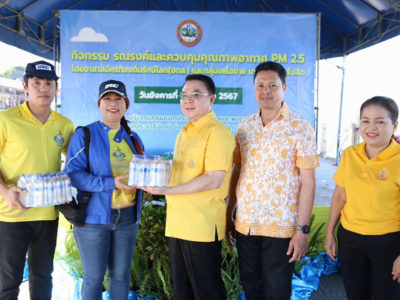
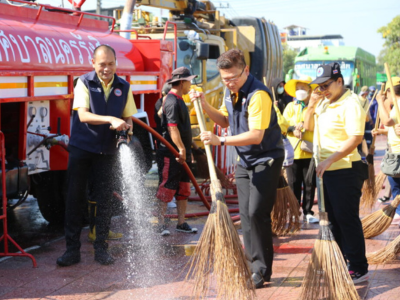
Organized an exhibition in collaboration with Rangsit City Municipality and bilateral networks. As part of the event, 10 safety helmets were donated to participants to promote road safety on the occasion of World Environment Day.
The Company organized the 'Environment and Safety' learning activity for Thai youth at educational institutions under the 'IRC Love to Share' project. The event took place at Wat Sangsan School, Prachathipat Subdistrict, Thanyaburi District, Pathum Thani Province.
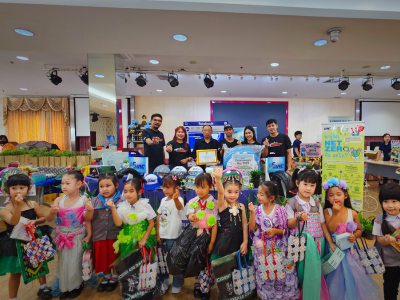
Providing a budget for the construction of the community wall at Yu Charoen Village.
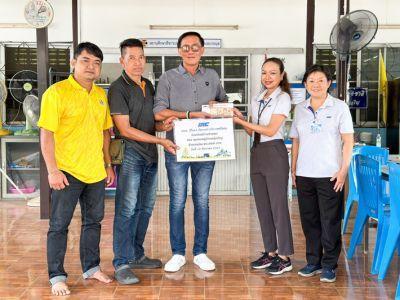
Presenting New Year 2025 gifts to neighboring communities and government agencies.
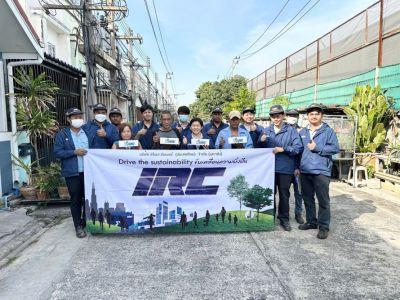
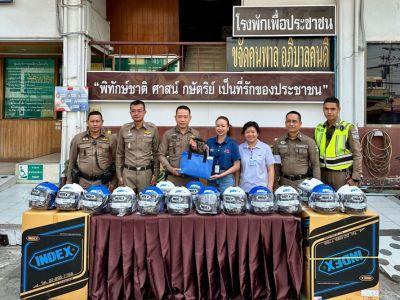
Donating Children's Day gifts to local communities, government agencies, and schools.
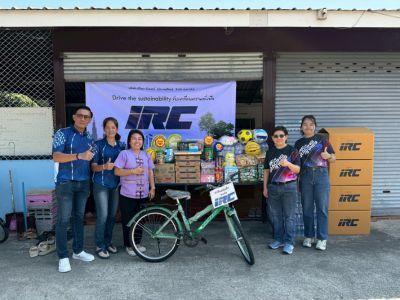
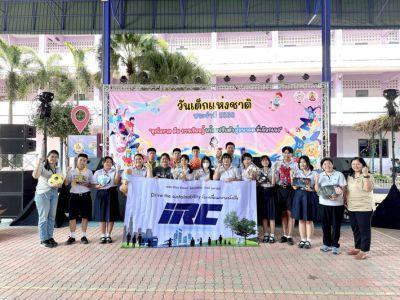
Presenting Songkran Festival 2025 gifts to neighboring communities and government agencies.
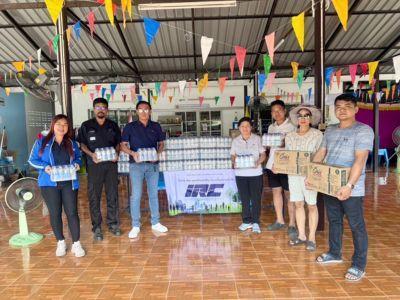
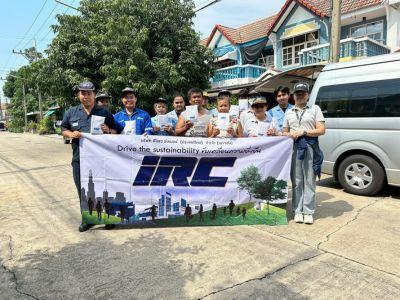
Providing financial support for religious preservation
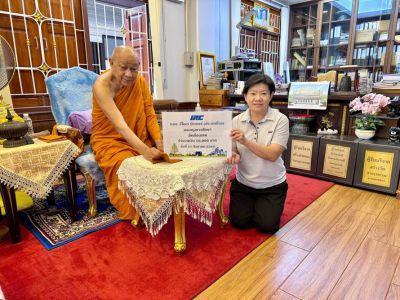
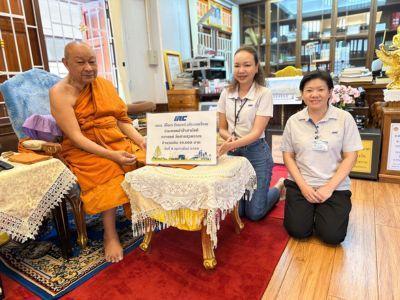
Donating motorcycle tires to Thanyaburi and Pratunam Chulalongkorn Police Stations.
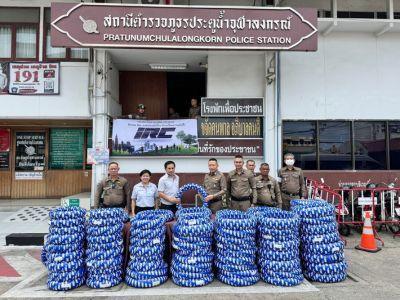
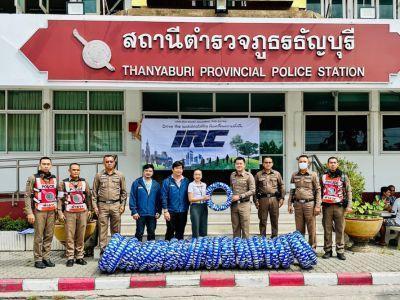
On the occasion of IRC's 55th Anniversary, the company is donating at least 15,000 safety helmets to relevant organizations, including the Ministry of Transport, the Ministry of Education, and various vocational institutes.
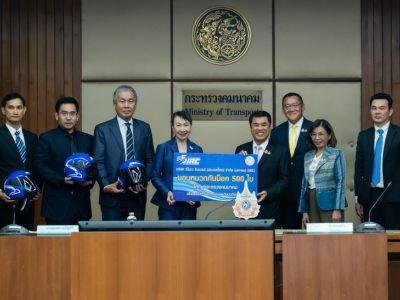
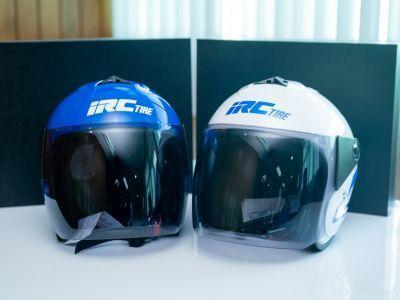
Donating 'Hi-Chef Canned Fish' valued at 100,000 Baht to Nan Hospital to support operations and provide relief to those affected by flooding.
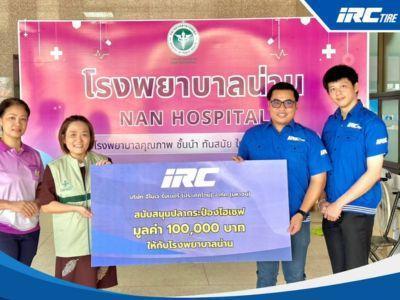
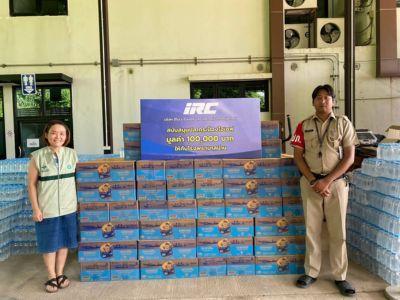
Donating 500 T-shirts to assist displaced persons from the emergency situation at the Thai-Cambodian border, held at Chang International Circuit, Buriram Province.
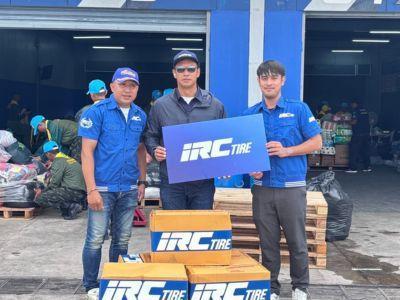
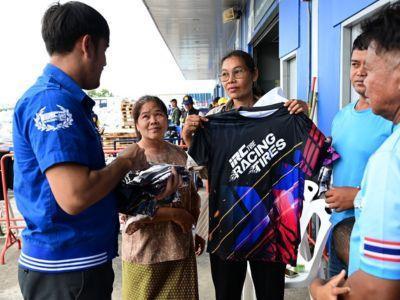
Law Violation Incidents
Law Violation Incidents
| Metric | Current Year | Previous Year | Two Years Ago |
|---|---|---|---|
| The total number of cases or incidents of significant violations of laws or regulations regarding social and human rights (Cases) | 0 | 0 | 0 |
| The total number of cases or incidents that cause significant labor disputes (Cases) | 0 | 0 | 0 |
| The total number of cases or complaints related to consumer rights violations (Cases) | 0 | 0 | 0 |
| The total number of cases or complaints related to partner rights violations (Cases) | 0 | 0 | 0 |
| The total number of cases or incidents that cause disputes with the community/society (Cases) | 0 | 0 | 0 |
| The total number of cases or incidents related to cyber security or customer data breaches (Cases) | 0 | 0 | 0 |
| The total number of cases or incidents related to safety and occupational health at work (Cases) |